
场景解决方案

Search documents
深度|微出行初创Also半年成独角兽,电动智能出行领域再现新投资热潮
Z Potentials· 2026-01-23 04:13
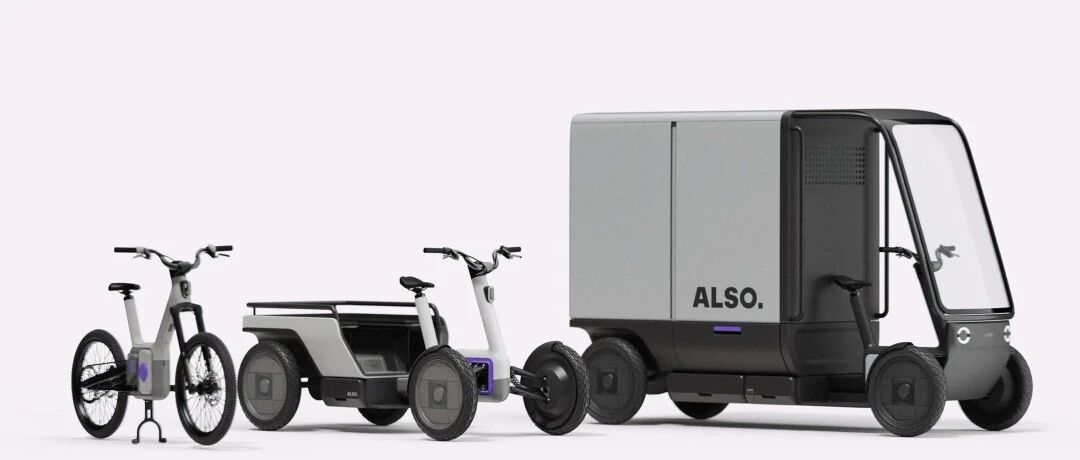
Core Viewpoint - The electric mobility industry in 2025 is experiencing a dichotomy, with traditional new energy passenger vehicles facing intense competition and significant sales declines, while the emerging micro-mobility sector is attracting substantial capital investment, indicating a shift in investment logic from "oil vehicle replacement" to "demand-driven" growth [3][4]. Group 1: Market Dynamics - The traditional new energy vehicle market is becoming a red ocean, with Tesla experiencing an 8.5% decline in annual sales, while BYD has emerged as the global leader in pure electric vehicle sales [3]. - The micro-mobility sector, which includes electric bicycles, scooters, and light electric trucks, is gaining traction due to policy incentives, technological maturity, and essential demand, leading to a significant increase in venture capital interest [3][4]. Group 2: Investment Trends - Also, a micro-mobility company spun off from Rivian, achieved a valuation of $1 billion after raising $200 million, marking a pivotal moment for the micro-mobility sector and indicating a shift in valuation logic from hardware manufacturing to ecosystem entry points [4][7]. - The global micro-mobility financing in the second half of 2025 saw a 120% year-on-year increase, with over 60% of the funds directed towards electric bicycles and light electric trucks [4][11]. Group 3: Demand and Policy Drivers - The global micro-mobility market is projected to grow from approximately $78 billion in 2024 to between $214 billion and $437 billion by 2035, with a compound annual growth rate (CAGR) of 13% to 17.4% [11]. - The increasing urbanization and the need for efficient short-distance travel are driving demand, with electric scooters and bicycles becoming preferred commuting options in cities [11][12]. Group 4: Competitive Landscape - The competition in the micro-mobility sector is evolving into a comprehensive battle of technology, products, and ecosystems, with traditional automakers and startups vying for market share [13][14]. - Traditional automakers are adopting a hybrid approach, leveraging their technological strengths while collaborating with local companies to enhance supply chain and distribution capabilities [13]. Group 5: Future Outlook - The long-term growth of the micro-mobility sector will depend on overcoming technological, operational, and policy challenges, with trends indicating accelerated technology integration, increased ecosystem collaboration, and a balance between globalization and localization [18]. - The emergence of companies like Also signifies the beginning of a value reassessment in the micro-mobility sector, transitioning from a focus on hardware to comprehensive solutions that integrate AI and smart technologies [7][15].



以原创科技重塑厨房健康新体验:卡萨帝厨电携手宝洁JOY定义“中国厨房新标配”
凤凰网财经· 2026-01-01 12:37
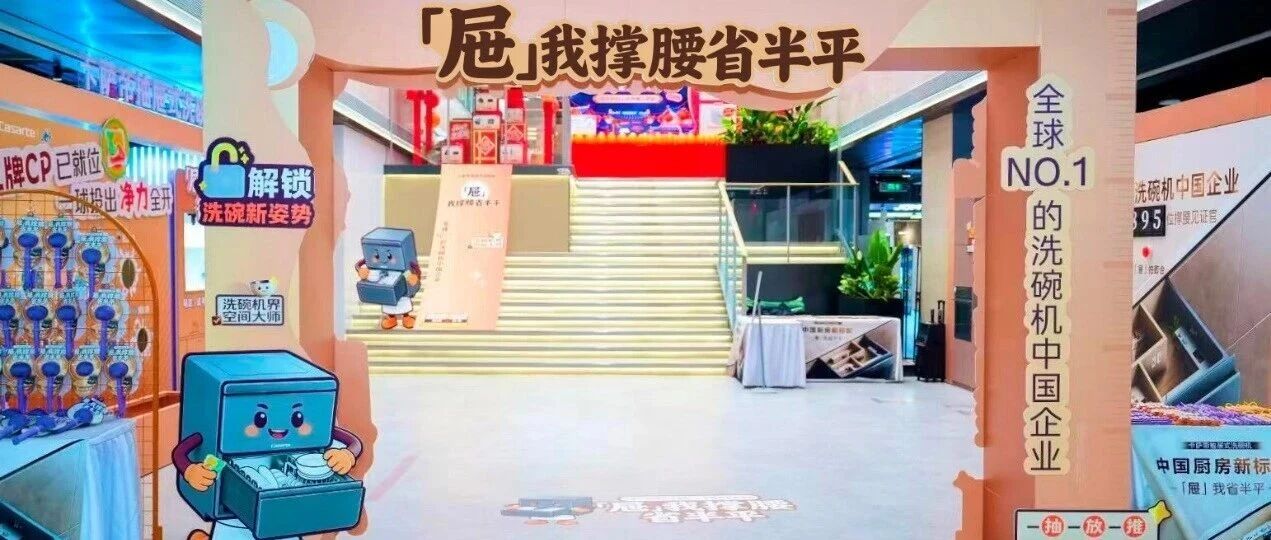
Core Viewpoint - The modern kitchen has evolved from a functional space to an important scene for family health and emotional connection, driven by technological innovation and aimed at redefining high-quality kitchen living standards [1] Group 1: User Pain Points and Innovations - The collaboration between Casarte and Procter & Gamble's JOY brand addresses common kitchen pain points in Chinese households, where the average kitchen size is only 6.1 square meters, with over 70% being small to medium-sized units [4] - Traditional dishwashers exacerbate ergonomic issues, leading users to bend over more than 7,300 times a year, accumulating a burden of 1,022 tons [4] - Casarte's innovative drawer-style dishwasher design alleviates these issues by allowing users to operate without bending, requiring only a 20 cm opening to access all dishes, saving nearly 30% in operational space compared to traditional designs [5][7] Group 2: User Experience and Market Feedback - The drawer-style dishwasher has achieved a user satisfaction rate of 98.2% for its "no bending" experience, indicating its human-centered design [7] - Casarte's drawer-style dishwasher has led the offline market in China for three consecutive years, becoming a new trend in quality kitchen configurations [7] - The collaboration with JOY has resulted in a complete kitchen ecosystem that integrates space optimization and cleanliness, moving from a focus on individual product functionality to a holistic solution [12][13] Group 3: Future Directions and Industry Impact - The partnership between Casarte and JOY signifies a shift in the home appliance industry from technical parameter competition to user experience delivery, emphasizing the importance of lifestyle solutions [13] - As consumer awareness of health and quality of life increases, the kitchen is becoming a central space reflecting family life quality, with technology seamlessly integrated into daily routines [15] - Future initiatives will include nationwide experiential activities to promote the innovative kitchen health solutions, aiming to enhance user experiences with "no bending, space-saving, and cleanliness" [15]


从国民记忆到当下餐桌,康师傅做对了什么?
Sou Hu Wang· 2025-12-19 06:10
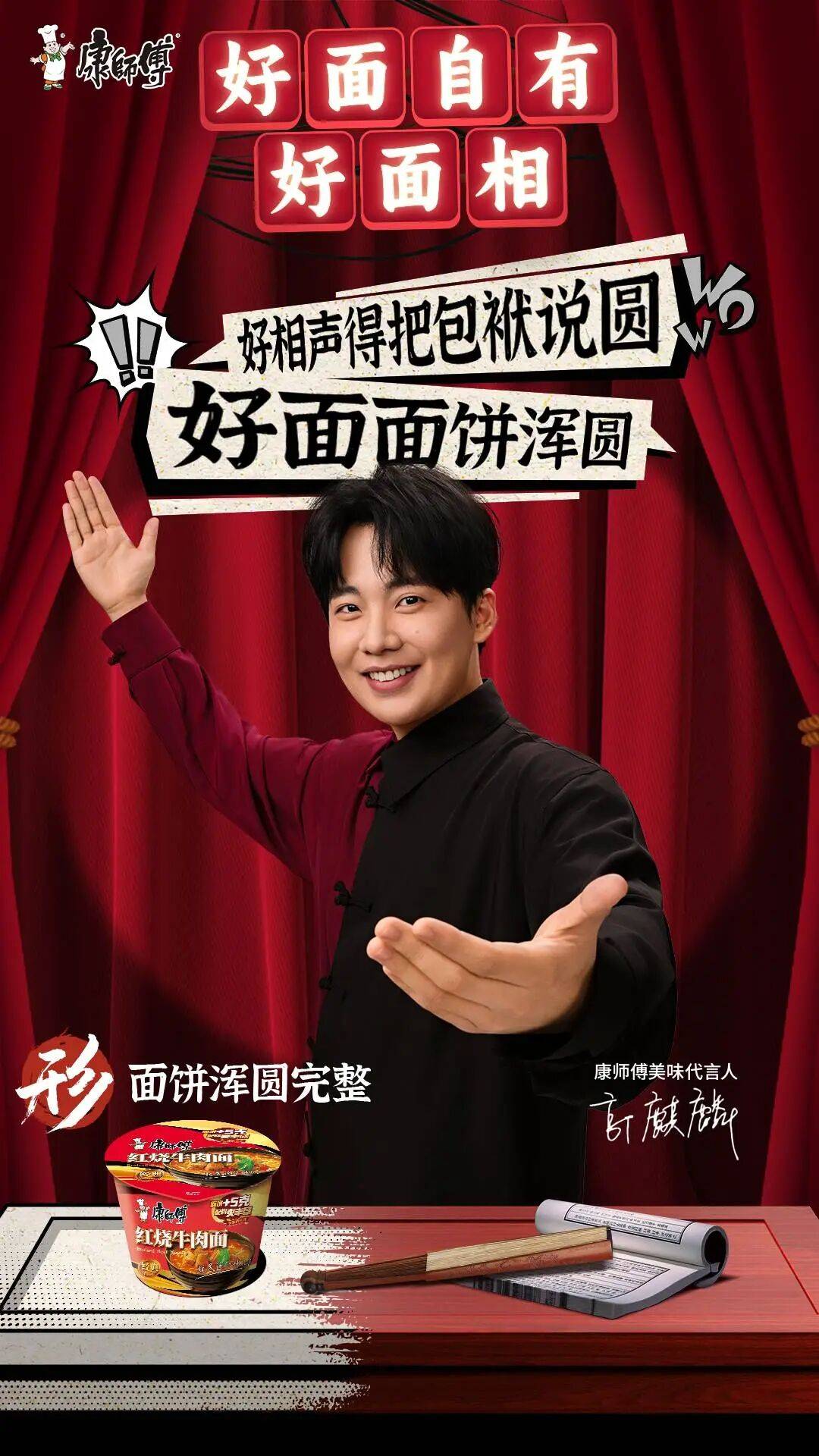
Core Insights - The article discusses how Master Kong, a national brand, has successfully engaged with younger consumers through innovative marketing strategies, including IP collaborations, celebrity partnerships, and content creation [1][2]. Group 1: Brand Communication Strategies - Master Kong has shifted its communication style to resonate with younger audiences, moving from a "telling" approach to a "participatory" one, allowing consumers to engage with the brand in a more relatable manner [2][4]. - The brand has utilized humor and cultural references, such as the "good noodle face" concept with spokesperson Guo Qilin, to create a relatable and memorable messaging framework [2][4]. - By integrating product information into entertaining formats, such as variety shows, Master Kong has effectively conveyed its quality standards while building consumer trust [4][6]. Group 2: Product Positioning and Market Strategy - Master Kong is evolving its product offerings from being a "universal item" to providing "scene-specific solutions," addressing the fragmented lifestyles of younger consumers [9][10]. - The brand has identified specific consumption scenarios, such as travel and late-night snacking, to tailor its products, ensuring they meet the emotional and practical needs of consumers [10][12]. - Innovations like the patented "lock-fresh" technology for chicken soup noodles have positioned Master Kong as a leader in quality, enhancing consumer trust and repeat purchases [12][16]. Group 3: Long-term Brand Engagement - Master Kong aims to establish itself as a part of the cultural context of younger consumers, moving beyond mere advertising to co-create meaning within their social narratives [17]. - The brand's strategy focuses on providing stable value and expression materials, allowing users to reinterpret and share their experiences within their social circles [17].

专访 || 亿纬锂能江吉兵:以刚性需求和运力价值驱动技术创新 由产品解决向场景解决升维
Zhong Guo Qi Che Bao Wang· 2025-12-05 09:40
Core Viewpoint - The first EVE Energy Open Source Battery Media Day showcased the company's commitment to the commercial vehicle battery strategy and its ambition to promote the electrification of commercial vehicles [1] Group 1: Market Trends and Growth - In the first ten months of this year, the penetration rate of new energy commercial vehicles in China reached 24.6%, with monthly sales of new energy heavy trucks exceeding 20,000 units [3] - The growth in penetration is driven primarily by truck products, with pure electric vehicles contributing the most to this trend [3] - The rapid development of new energy commercial vehicles is attributed to their operational value and lower total cost of ownership (TCO) compared to fuel models, as well as decreasing battery prices [5] Group 2: Technological Innovations - EVE Energy presented several technological innovations at the media day, including the LF668-448kWh battery for heavy trucks, which has a 5% increase in energy capacity while being 560kg lighter than the industry average [7] - The company's strategic shift from product solutions to scenario solutions aims to enhance user experience and meet real-world demands [8] - EVE Energy's high-rate fast charging technology addresses user concerns about charging anxiety by optimizing charging efficiency in logistics and time-sensitive scenarios [9] Group 3: Organizational Changes and Strategy - EVE Energy has established a product line organization for commercial vehicle batteries to enhance market responsiveness and innovation [12] - The company emphasizes breaking down internal barriers and focusing on customer needs to drive technological innovation and product upgrades [13] - The vision for 2030 includes becoming a global leader in battery technology, with a commitment to innovation and meeting real-world demands through collaborative efforts [13]

营销砸钱换流量失效,心智战才是新方向,做好2件事让用户主动找
Sou Hu Cai Jing· 2025-11-16 14:45
Core Insights - The current marketing landscape is shifting from a focus on sheer volume and spending to a more nuanced approach centered on relationship building and contextual relevance [1][9][10] Group 1: Marketing Strategy Evolution - Traditional marketing heavily relied on behavioral data, but increasing privacy regulations and user fatigue have made this approach less effective [3][6] - Brands are now prioritizing "attitude data" to understand user engagement and emotional connections, moving beyond basic metrics like new customer counts and sales figures [3][4] - Successful brands are investing in user relationships rather than merely seeking to extract value through promotions [4][10] Group 2: Contextual Marketing - The focus has shifted from "where to advertise" to "when to appear," emphasizing the importance of being relevant at the right moment [6][7] - Brands that integrate their offerings into users' real-life scenarios, providing solutions when users have specific needs, are seeing better engagement [7][9] - Examples include fitness apps recommending supplements after users set goals and parenting platforms offering relevant content when babies are ready for solid food [7][9] Group 3: The Future of Marketing - The essence of marketing anxiety stems from clinging to outdated strategies in a changing environment [9][10] - Companies that abandon the obsession with traffic and instead treat users as friends and focus on their needs will find sustainable growth opportunities [10]
京东11.11《2025安心选购内裤白皮书》发布 科学指引内裤选购新标准
Zhong Jin Zai Xian· 2025-11-03 07:30
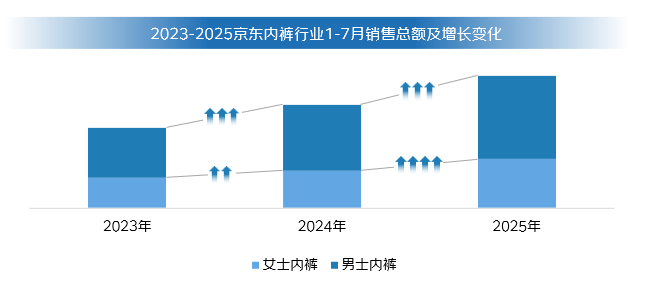
Core Insights - The increasing consumer focus on health has transformed underwear selection into a health decision requiring scientific guidance, as highlighted in the "2025 Safe Underwear Purchasing White Paper" released by JD Fashion and Ipsos [1] Market Trends - The underwear category is experiencing dual-engine growth, with men's underwear accounting for 60% of the market share, while women's underwear is growing at a faster rate, presenting new growth opportunities for brands [2] - From 2023 to 2025, JD's underwear product offerings are expected to increase significantly, with emerging brands seeing over 50% sales growth and established brands achieving over 30% growth, indicating a shift from scale expansion to quality and innovation-driven growth [2] Consumer Behavior - Consumer behavior is becoming more refined, with male consumers showing a trend towards "refined masculinity," leading to an increase in average spending, while female consumers exhibit higher purchasing frequency, 15% more than males [4] - The consumption of underwear is evolving from single-function products to "scene solutions," with functional products like shaping, cooling, antibacterial, and quick-drying options gaining traction, leading to a new norm of "multiple styles for one person" [6] Product Insights - The white paper identifies three main consumer pain points in underwear selection, including issues with fit, fabric comfort, and the common practice of wearing underwear until it is damaged, which poses health risks [7][8] - The "W.E.A.R. Safe Underwear Purchasing Index" is introduced to evaluate underwear performance across four dimensions: thermal comfort, contact comfort, pressure comfort, and health protection [8] - The paper analyzes three main fabric types: cotton, regenerated cellulose fibers (like modal), and ice silk (often nylon), advising consumers to choose based on sweat levels, activity scenarios, and skin sensitivity [8] - New materials for the crotch area, such as polylactic acid (corn fiber), silver ions, and mugwort, are gaining attention for their antibacterial properties, with consumers encouraged to match their health needs with appropriate materials [9] Style and Market Segmentation - There is a shift from "universal design" to "scene-specific" styles, with women's underwear now categorized into basic comfort, seamless sports, lace elegance, and menstrual protection, while men's styles cover daily basics and home wear [9] - Special market segments are emerging for disposable underwear and festive-themed products, with items like disposable underwear and red-themed underwear for celebrations gaining popularity during events like JD's 11.11 sale [9]

从IBIE 2025看下一代电池竞争锚定:价格战或退潮,场景战将成主战场
Huan Qiu Wang· 2025-10-14 01:53
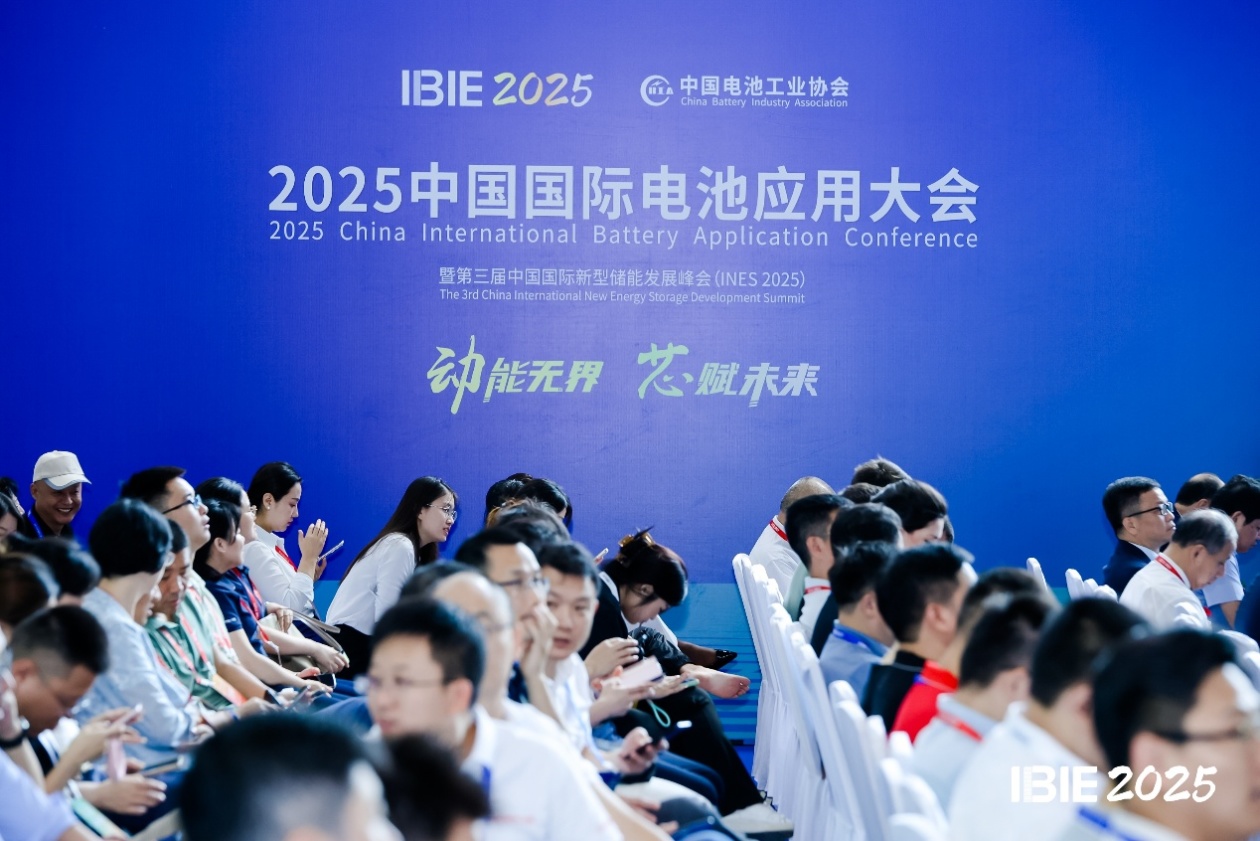
Core Insights - The Chinese battery industry is transitioning from a focus on production capacity to a focus on value-driven solutions, emphasizing innovation and collaboration to build a healthy industrial ecosystem [1][3][10] Industry Trends - The industry is entering a new phase driven by emerging demands in sectors such as energy storage, electric shipping, low-altitude aircraft, and smart elderly care robots, shifting competition from capacity to scene-based solutions [3][6] - The past decade saw China achieve a leading global market share through capacity expansion and cost advantages, but concerns over low-end capacity surplus and homogenization have emerged [3][7] Technological Innovations - The industry is diversifying its technological routes to meet specific scene requirements, moving away from a one-size-fits-all approach [6][7] - Innovations such as the "600Wh/kg hydrogen hybrid power system" and water-based iron-nickel batteries are being developed to address specific needs in low-altitude and long-duration energy storage applications [6][7] R&D Transformation - The integration of artificial intelligence in battery material development is expected to reduce the traditional three-year R&D cycle to six months, enhancing the industry's ability to respond to customized scene demands [8][9] Competitive Landscape - Future competition in the battery sector will not only focus on technology and products but also on data management, carbon management, and lifecycle services, with "battery passports" becoming a critical component [9][10] - Compliance with new regulations, such as the EU's battery passport requirement, poses challenges for Chinese battery companies, including high compliance costs and supply chain transparency issues [9][10]

vivo X300系列蓝图影像公布:首发蔡司2亿像素APO长焦与索尼LYT-828
Feng Huang Wang· 2025-09-26 12:36
Core Insights - Vivo is shifting its imaging strategy from focusing on single-point technological breakthroughs to a "scene solution" approach, aiming to address user pain points in complex scenarios like concerts and sports events [1] - The upcoming Vivo X300 series features a systematic innovation in its imaging architecture, highlighted by the "Zeiss Imaging King" product combination, including a custom 200MP APO super telephoto lens [1][2] - The X300 series introduces a dual-system recording architecture that allows users to capture 4K video while simultaneously taking high-quality multi-frame photos, enhancing the overall user experience [2] Group 1 - The Vivo X300 Pro will feature a 200MP sensor co-developed with Samsung, boasting a large 1/1.4-inch sensor and industry-leading CIPA 5.5-level stabilization [1] - The standard X300 model will also utilize the same 200MP flagship sensor for its main camera, ensuring high resolution and detail [1] - The series enhances portrait photography with features like AI-customized beauty functions and optimized dynamic photo experiences, including a "Live Photo passerby removal" function [2] Group 2 - The X300 series will globally debut the blueprint × Sony LYT-828 sensor, known for its excellent dynamic range, enabling full-focus 4K 120fps Dolby Vision HDR video recording [3] - Vivo has integrated the editing capabilities of the Jianying App for native editing and exporting of 4K 120fps Dolby Vision videos, improving workflow efficiency for professional video creators [3] - The official launch event for the Vivo X300 series is scheduled for October 13, where more product details will be revealed [4]