电视剧《生命树》

Search documents
胡歌、杨紫,有新身份
券商中国· 2026-03-12 13:28
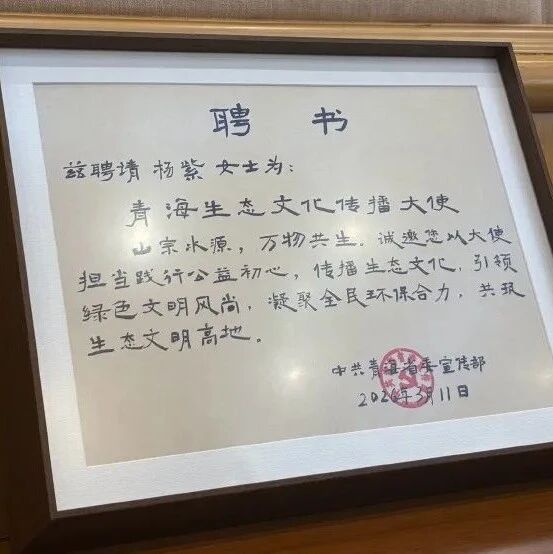
Core Viewpoint - The drama "Tree of Life" has become a significant topic of discussion, highlighting ecological protection and the sacrifices made by individuals in preserving nature [1][2]. Group 1: Overview of the Drama - "Tree of Life" is set in 1996 in Ma Zhi County, Qinghai Province, focusing on a female police officer, Bai Ju, who joins a patrol team to combat poaching and establish nature reserves [1]. - The series has gained popularity during the National Two Sessions, with Qinghai Provincial Party Secretary Wu Xiaojun expressing that it has deeply moved viewers and is based on true stories and sacrifices [2]. Group 2: Cultural Impact and Recognition - Actors Hu Ge and Yang Zi have been appointed as "Qinghai Ecological Culture Ambassadors," emphasizing their commitment to promoting the beauty and purity of Qinghai [1]. - The narrative of the drama is inspired by real events in the Kekexili region, which is now part of the Sanjiangyuan National Park, representing a living example of China's ecological civilization efforts [2].

从未远去的真实 从未褪色的坚守
Xin Lang Cai Jing· 2026-02-26 18:39
Core Viewpoint - The TV drama "Tree of Life" has received widespread acclaim for its vivid themes, high ideals, and engaging characters, effectively connecting viewers with the ecological protection narrative in Qinghai [2] Group 1: Themes and Storyline - "Tree of Life" focuses on the harmonious coexistence of humans and nature, transforming ecological protection from an abstract concept into an emotional bond for viewers [2] - The narrative is based on real-life stories of environmental heroes in Qinghai, depicting the struggles of mountain patrol teams against poachers and illegal mining [2] - The show highlights the balance between economic development and ecological protection, showcasing the challenges faced by the characters in extreme environments [5] Group 2: Character Development - The character Duojie is portrayed as a complex hero who sacrifices a comfortable life to protect the environment, facing numerous challenges and ultimately meeting a tragic fate [3] - Baiju, another key character, embodies dedication and love for the land, evolving from a protected individual to a protector over the years [3] - The characters reflect the universal traits of mountain patrol members while also showcasing their unique qualities, contributing to the show's artistic value [3] Group 3: Supporting Characters and Community - The drama also features a range of supporting characters, including doctors and journalists, who risk their lives to serve remote communities and document environmental crimes [4] - The involvement of local Tibetan herders who support the patrol teams emphasizes the collective effort in ecological protection [4] Group 4: Artistic and Dramatic Quality - "Tree of Life" excels in dramatic quality, presenting various conflicts, including ideological clashes over conservation versus development, and the internal struggles of characters [5] - The portrayal of extreme weather conditions and unexpected events enhances the narrative, showcasing the resilience of life and the significance of the patrol teams' actions [6] Group 5: Production and Authenticity - The production team undertook extensive field research in Qinghai, capturing authentic details and filming in challenging conditions at high altitudes [7] - The performances of actors like Hu Ge and Yang Zi contributed significantly to the show's appeal, emphasizing genuine emotional expression over superficiality [7] Group 6: Community Engagement and Recognition - The collaboration with the Qinghai Provincial Radio and Television Bureau highlights the commitment to quality production and the promotion of Qinghai's cultural narrative [8]
这就是《生命树》的现实版“续集”
Yang Shi Xin Wen· 2026-02-21 02:30
Core Viewpoint - The drama "Tree of Life" is based on the true stories of ecological protection in the Koko Nor region, highlighting the dedication of mountain patrol members who risk their lives to protect wildlife, particularly the Tibetan antelope [1][4]. Group 1: Background and Historical Context - Koko Nor, located in the northwest of Yushu Prefecture in Qinghai Province, is known as a "forbidden zone" for life due to its harsh climate and is home to Tibetan antelopes as well as rich mineral resources [4]. - The story features heroes like Suo Nandajie and his brother-in-law Zhaba Duojie, who fought against poaching in the 1990s, leading to the establishment of the Koko Nor Nature Reserve in 1995 [6][9]. - Suo Nandajie was killed in a gunfight with poachers in 1994, which inspired his family members, including his nephew Qiu Peizaxi, to continue the fight against poaching [6][11]. Group 2: Current Conservation Efforts - The Koko Nor patrol team continues to operate under challenging conditions, with patrols lasting from 10 days to several months, ensuring the protection of wildlife [12]. - Since 2009, there have been no reported incidents of poaching or illegal mining in the area, indicating the success of conservation efforts [14]. - Qiu Peizaxi, now a forest police officer, leads the efforts at the Zhuona Lake Protection Station, which is crucial for the breeding of Tibetan antelopes [15][16]. Group 3: Achievements in Wildlife Conservation - The population of Tibetan antelopes has increased from fewer than 20,000 in the 1990s to over 70,000 today, with their conservation status improved from endangered to near threatened [22]. - Koko Nor was designated as a UNESCO World Heritage Site in 2017, marking it as the first natural reserve in Qinghai to receive this recognition [23]. - The establishment of the Sanjiangyuan National Park in 2021 incorporated the entire Koko Nor Nature Reserve, with over 17,000 herders now serving as ecological guardians [25].
杨紫回忆生命树无人区有多难拍
Xin Lang Cai Jing· 2026-02-15 13:48
Core Viewpoint - The drama "Tree of Life" is currently airing, and the lead actress Yang Zi shared her challenging experiences during filming in a remote area, highlighting the difficulties faced by both the crew and anti-poaching teams in harsh environments [1] Group 1 - The filming location was in a remote area where the crew's vehicle got stuck in mud during heavy snowfall, requiring the collective effort of dozens of crew members to push the vehicle [1] - Yang Zi expressed a sense of empathy and emotional connection to the struggles faced by the anti-poaching teams in the past, who endured even harsher conditions with fewer resources [1] - The experience of filming in such challenging conditions contributed to a deeper understanding and emotional resonance with the themes of the drama [1]
省委书记谈热播剧
Xin Lang Cai Jing· 2026-02-14 06:12
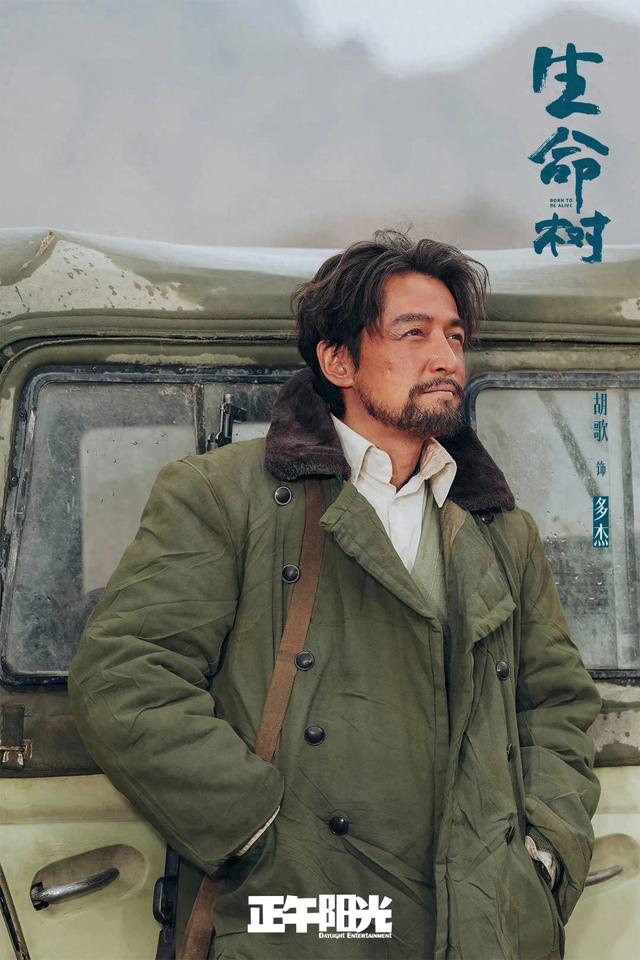
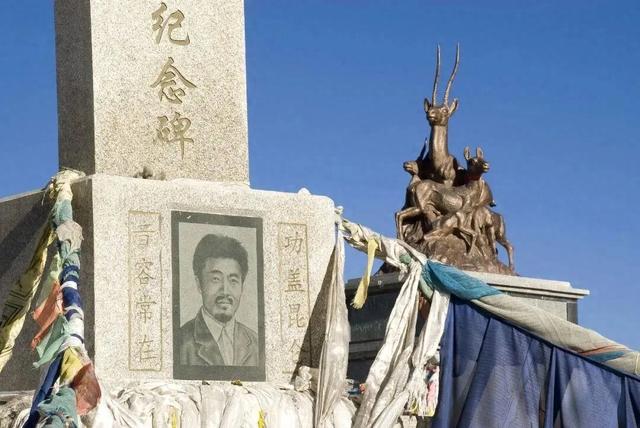
Group 1 - The TV drama "Tree of Life" is currently popular, telling the story of female police officer Bai Ju and deputy county head Duo Jie working together to combat poaching and establish a nature reserve in Qinghai Province in 1996 [1] - Duo Jie is based on the real-life figure Jiesang Suonandajie, who was awarded the title of "Reform Pioneer" in 2018 and was a key figure in ecological protection before being killed in 1994 [1] Group 2 - Qinghai Provincial Party Secretary Wu Xiaojun emphasized the positive promotional effect of "Tree of Life" for Qinghai and the importance of extending related topics to raise awareness about the beauty of Qinghai [4] - The Vice Governor of Qinghai, Liu Tao, expressed deep respect for ecological guardians like Suonandajie in a letter to the "Tree of Life" production team, highlighting the significance of their work [6] - The production team of "Tree of Life" responded to Liu Tao's letter, acknowledging the encouragement and paying tribute to the generations of people who have protected the Sanjiangyuan region [6]
青海省委书记谈生命树
Xin Lang Cai Jing· 2026-02-14 05:05
Group 1 - The core message of the article emphasizes the positive impact of the TV drama "Life Tree" in promoting the beauty of Qinghai and raising awareness about ecological protection [1] - Qinghai Provincial Party Secretary Wu Xiaojun highlighted the importance of extending the discussions around "Life Tree" to further enhance public understanding and appreciation of Qinghai [1] - The drama is based on real events and characters, including the story of Jie Sang Suo Nan Da Jie, a notable figure in ecological protection who was honored posthumously [1] Group 2 - The Vice Governor of Qinghai, Liu Tao, expressed deep respect for ecological guardians like Jie Sang Suo Nan Da Jie in a letter to the "Life Tree" production team, emphasizing the significance of their sacrifices [1] - The production team of "Life Tree" responded positively to Liu Tao's acknowledgment, indicating that such recognition serves as motivation for artists and honors the legacy of those who protect the Sanjiangyuan region [1] - The article mentions previous works like the film "Kekexili" and various artistic forms that have contributed to the public memory of ecological protection in Qinghai, showcasing a continuous narrative of guardianship over the land [1]
发挥央媒优势 讲好青海故事为“十五五”开好局起好步鼓舞士气凝聚力量
Xin Lang Cai Jing· 2026-02-13 18:33
Group 1 - The core message emphasizes the importance of media in promoting Qinghai's image and stories, particularly in the context of the "15th Five-Year Plan" [1][2] - The provincial leadership encourages central media to maintain a correct political direction and to play a significant role in shaping public opinion and confidence [2] - There is a focus on showcasing the contributions of various ethnic groups in Qinghai and their commitment to development, as well as the need for impactful storytelling [2] Group 2 - The recent success of the TV drama "Life Tree" is highlighted as a positive promotional tool for Qinghai, with a call for extended coverage on related topics [1] - The provincial government expresses its commitment to providing a supportive environment for central media to conduct their reporting [2]
青海省副省长,给剧组写了封信
Xin Lang Cai Jing· 2026-02-13 15:18
Core Viewpoint - The news highlights the legacy of Jie Sang Suo Nan Da Jie, a pioneer in ecological protection in China, who sacrificed his life in the fight against poaching, and the recent television series "Tree of Life" that portrays his story and the ongoing efforts in ecological conservation in the Sanjiangyuan region [1][3][5]. Group 1: Historical Context - Jie Sang Suo Nan Da Jie was born in April 1954 and served as the deputy secretary of the Zhidu County Committee and secretary of the Western Working Committee [1]. - He was killed by poachers on January 18, 1994, while apprehending 20 poachers, becoming the first government official in New China to die for ecological protection [1]. - In December 2018, he was posthumously awarded the title of "Reform Pioneer" by the Central Committee of the Communist Party of China and the State Council for his contributions to ecological protection in the Kekexili and Sanjiangyuan regions [1]. Group 2: Current Developments - The television series "Tree of Life," featuring Hu Ge as the character based on Jie Sang Suo Nan Da Jie, has gained popularity and focuses on the fight against poaching and the establishment of nature reserves [3]. - On February 12, 2026, Liu Tao, the Vice Governor of Qinghai Province, expressed deep respect for Jie Sang Suo Nan Da Jie and all ecological guardians in a letter to the "Tree of Life" production team [5][6]. - Liu Tao emphasized the importance of the series in raising awareness about ecological conservation and the sacrifices made by those who protect the environment [8][10]. Group 3: Ecological Impact - The Sanjiangyuan region has seen significant ecological recovery, with the population of Tibetan antelopes increasing from fewer than 20,000 to over 70,000 [10]. - The region is described as a paradise for wildlife, with snow leopards and black-necked cranes thriving, showcasing the success of conservation efforts [10]. - Liu Tao highlighted the transformation of local herders from users of grasslands to guardians, emphasizing the deepening relationship between humans and nature [10]. Group 4: Future Aspirations - Liu Tao expressed a commitment to advancing the construction of the Sanjiangyuan National Park and ensuring the protection of this vital ecological area, referred to as the "Water Tower of China" [10][11]. - The hope is that the series "Tree of Life" will resonate with a wider audience, planting the seeds of ecological civilization across broader landscapes [10][11].
“北京大视听 春天马上来”正式启动
Xin Lang Cai Jing· 2026-02-09 05:10
Core Viewpoint - The "Beijing Audio-Visual Spring Festival" cultural supply activity aims to integrate traditional and modern elements to create a rich audio-visual experience for citizens and audiences nationwide, aligning with the "14th Five-Year Plan" and the theme "Spring is Coming with the Year of the Horse" [1][7]. Group 1: Event Overview - The event features a series of high-quality audio-visual "combination punches" that include five major action series: "Good Vision, Good Wishes, Good Scenery, Good Products, and Good Luck" [3]. - A total of 45 high-quality productions, including dramas, documentaries, and animations, will be launched during the Spring Festival on various platforms such as CCTV and local TV stations, as well as over 20 online platforms [3]. Group 2: Technological Integration - The event highlights technological empowerment with the introduction of 21 immersive experience projects utilizing VR, AR, MR, and other cutting-edge technologies across major commercial areas and cultural landmarks [4]. - The "Jingcai Super Live" series will broadcast 21 high-quality performances in real-time to various locations, allowing audiences to enjoy a blend of art and technology regardless of their location [4]. Group 3: Cultural and Economic Impact - The "Beijing Audio-Visual Trendy Play" brand aims to connect popular film and television IPs with cultural products, enhancing the cultural consumption experience and driving economic vitality [5]. - Twelve themed film and television routes will be launched to guide citizens and tourists through Beijing, integrating traditional culture, modern trends, and local cuisine [5]. Group 4: Collaborative Efforts - Major broadcasting platforms are collaborating to enhance the quality of audio-visual content for the Spring Festival, with Beijing Radio and Television Station leading the initiative [7]. - Various platforms, including iQIYI and Douyin, will release their own special programs and activities, leveraging the "Beijing Audio-Visual" brand to provide a rich online experience for users [7].


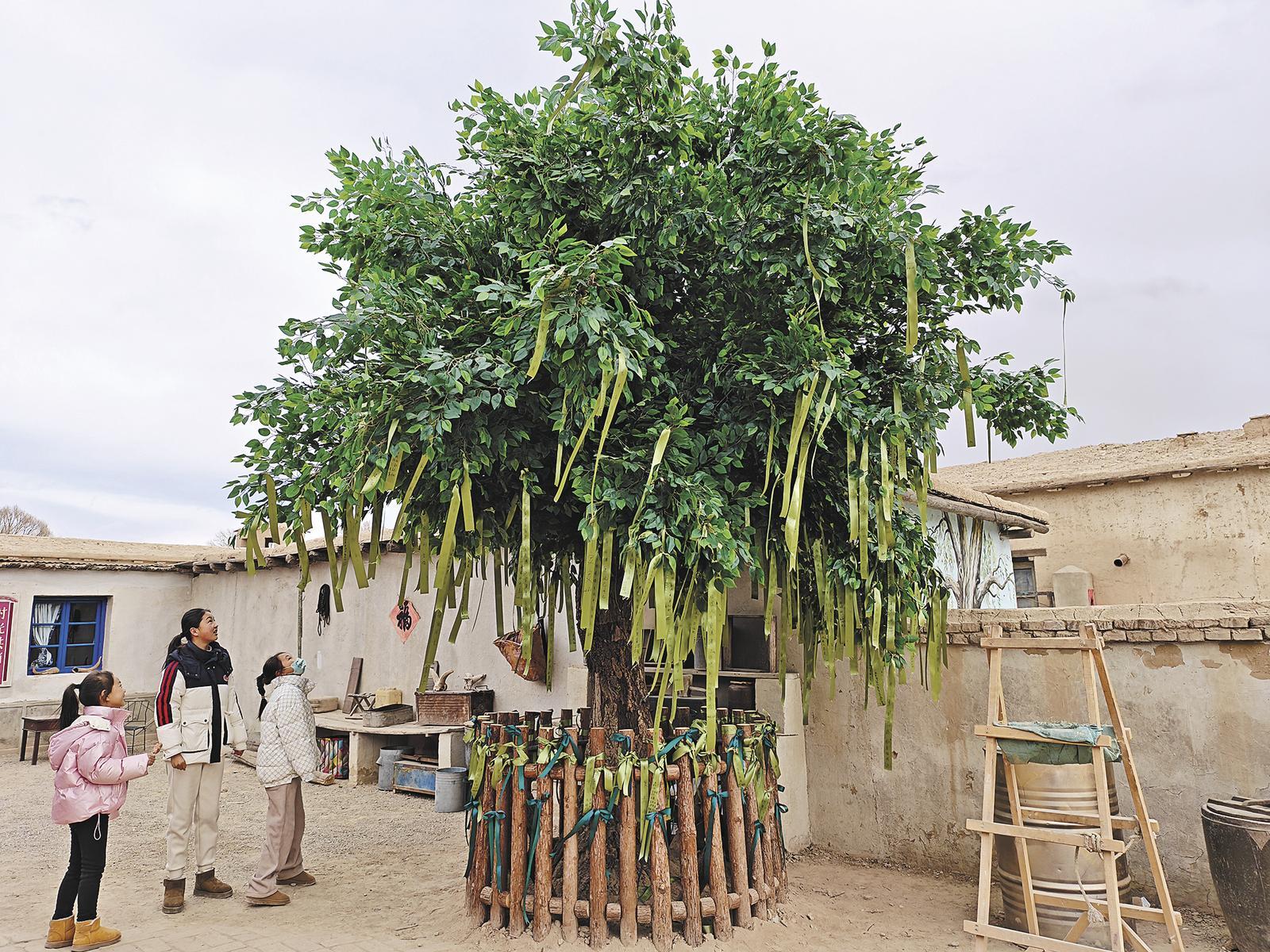
春日,德令哈“生命树”正盎然
Xin Lang Cai Jing· 2026-02-08 18:30
Core Insights - The article highlights the economic and cultural significance of Delingha City, particularly in the context of the popular TV series "Life Tree," which has brought renewed attention to the area [1][2]. Group 1: Economic Impact - The filming of "Life Tree" has transformed Delingha into a key tourist destination, with an average of 1,000 visitors per day since the filming location opened on January 31 [5]. - Local tourism has been boosted, with travel agencies from Qinghai and Lanzhou actively promoting the filming site as a must-visit spot on their itineraries [6]. - The integration of interactive experiences at the filming locations has enhanced visitor engagement and spending, contributing to the local economy [3][5]. Group 2: Cultural and Environmental Significance - The "Life Tree" symbolizes the fusion of ecological protection and cultural heritage, promoting green and sustainable tourism [2][7]. - The series has inspired local residents to participate in role-playing jobs, providing employment opportunities and fostering community involvement [6]. - The environmental message conveyed by "Life Tree" has led to increased awareness and protection of local wildlife, with the number of terrestrial wildlife species in the area rising to 302 [6].