畜牧和肉类产品

Search documents
中国助力埃塞俄比亚畜牧业价值链能力建设——牛羊有了“身份证”,村民收入更稳定
Ren Min Ri Bao· 2026-01-21 09:52
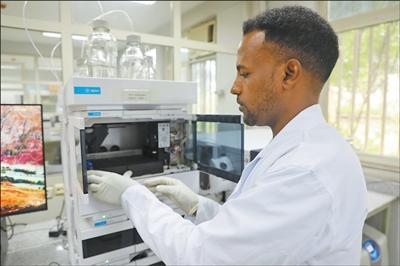
Core Viewpoint - The establishment of a traceability system in Ethiopia's livestock sector aims to modernize the industry, enhance export capabilities, and improve the livelihoods of local farmers through better management and quality assurance [4][5][7]. Group 1: Project Overview - The livestock value chain capacity building project, initiated in 2021 by China, Ethiopia, and the United Nations Industrial Development Organization, focuses on creating a traceability system for livestock to support policy development, certification, and trade negotiations [4][5]. - The project is part of a broader initiative to implement global development goals in African countries, showcasing the potential of international cooperation [5]. Group 2: Economic Impact - Livestock is a crucial component of Ethiopia's agricultural economy, contributing approximately 20% to the country's export revenue [5]. - The project aims to address long-standing challenges in the livestock sector, such as the shortage of quality feed and inadequate services, which have hindered development [5]. Group 3: Technological Advancements - A comprehensive livestock identification and traceability system has been implemented, allowing for real-time data synchronization and intelligent management of livestock throughout their lifecycle [6][8]. - The project includes customized training for Ethiopian personnel on quality inspection standards and disease prevention, enhancing the capacity for international market compliance [6][8]. Group 4: Training and Capacity Building - Over 500 Ethiopian professionals have participated in specialized training on food safety standards, slaughterhouse management, and meat inspection techniques, with 25 trainers certified as international meat inspectors [10]. - The establishment of a cooperation demonstration center represents an upgraded model of international collaboration, focusing on demand-driven and skills-based approaches [10][11]. Group 5: Market Competitiveness - The introduction of the traceability system has improved the market competitiveness of Ethiopian livestock products, enabling farmers to receive a price increase of approximately 15% for tagged animals [7]. - The project has facilitated the development of a meat industry portal, digitizing inspection processes and enhancing compliance with international standards [9].

中国助力埃塞俄比亚畜牧业价值链能力建设
Xin Lang Cai Jing· 2026-01-21 04:05
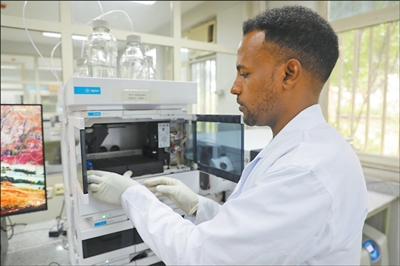
Core Insights - The establishment of a traceability system for livestock in Ethiopia aims to modernize the livestock industry and enhance export capabilities, addressing long-standing challenges such as lack of quality feed and insufficient skills among workers [2][4][5]. Group 1: Project Overview - The livestock value chain capacity building project, initiated in 2021 by China, Ethiopia, and the United Nations Industrial Development Organization, focuses on policy framework development, certification systems, and technology knowledge exchange [2][3]. - The project has entered its second phase in May 2025, aiming to further strengthen institutional capacity and improve food safety management systems [3]. Group 2: Economic Impact - Livestock accounts for approximately 20% of Ethiopia's export revenue, with the country expected to have the largest livestock population in Africa by 2024 [2]. - The introduction of the traceability system has led to a 15% increase in the selling price of tagged livestock, providing farmers with better insurance and loan support [5]. Group 3: Technological Advancements - A comprehensive livestock identification and traceability system has been implemented, allowing for real-time data synchronization and intelligent management of livestock throughout their lifecycle [4][6]. - The project has facilitated the establishment of a fully equipped laboratory with standardized operating procedures, enhancing the international recognition of Ethiopia's testing reports [6]. Group 4: Training and Capacity Building - Over 500 Ethiopian professionals have participated in specialized training on food safety standards, slaughterhouse management, and meat inspection techniques [7]. - The establishment of the cooperation demonstration center represents an upgraded international cooperation model, focusing on demand-driven and skills-based approaches [7][8].
牛羊有了“身份证”,村民收入更稳定(共创繁荣发展新时代)
Ren Min Ri Bao· 2026-01-20 23:38
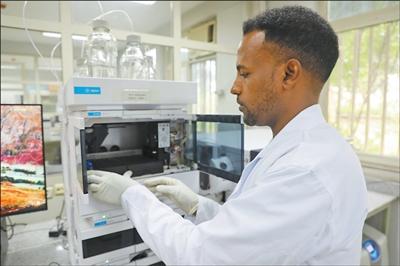
Core Viewpoint - The establishment of a traceability system in Ethiopia's livestock sector aims to modernize the industry, enhance export capabilities, and improve the livelihoods of local farmers through better quality assurance and market access [4][5][7]. Group 1: Project Overview - The livestock value chain capacity building project, initiated in 2021 by China, Ethiopia, and the United Nations Industrial Development Organization, focuses on creating a traceability system for livestock to support policy development, certification, and trade negotiations [4][5]. - The project is part of a broader initiative to implement global development goals in African countries, showcasing the potential of international cooperation [5]. Group 2: Economic Impact - Livestock accounts for approximately 20% of Ethiopia's export revenue, with the country expected to have the largest livestock population in Africa by 2024 [5]. - The introduction of traceability systems has led to a 15% increase in sales prices for tagged livestock, providing farmers with better income and access to insurance and loans [7]. Group 3: Technological Advancements - A comprehensive livestock identification and traceability system has been implemented, covering the entire supply chain from breeding to slaughter, enhancing the management of livestock throughout their lifecycle [6][8]. - The project has facilitated the establishment of a digital portal for meat inspection processes, significantly improving compliance and international competitiveness of Ethiopian agricultural products [9]. Group 4: Training and Capacity Building - Over 500 Ethiopian professionals have participated in training programs focused on food safety standards, meat inspection techniques, and livestock management, with 25 trainers certified as international meat inspectors [10]. - The project has also provided customized training for quality inspection and disease prevention, enhancing the skills of local experts [6][10]. Group 5: Future Cooperation - The establishment of the cooperation demonstration center represents an upgraded model of international collaboration, emphasizing demand-driven approaches and skill-based management [10][11]. - Ethiopia plans to engage in more cooperative projects with China to support industrialization, agricultural modernization, and talent development in Africa [11].