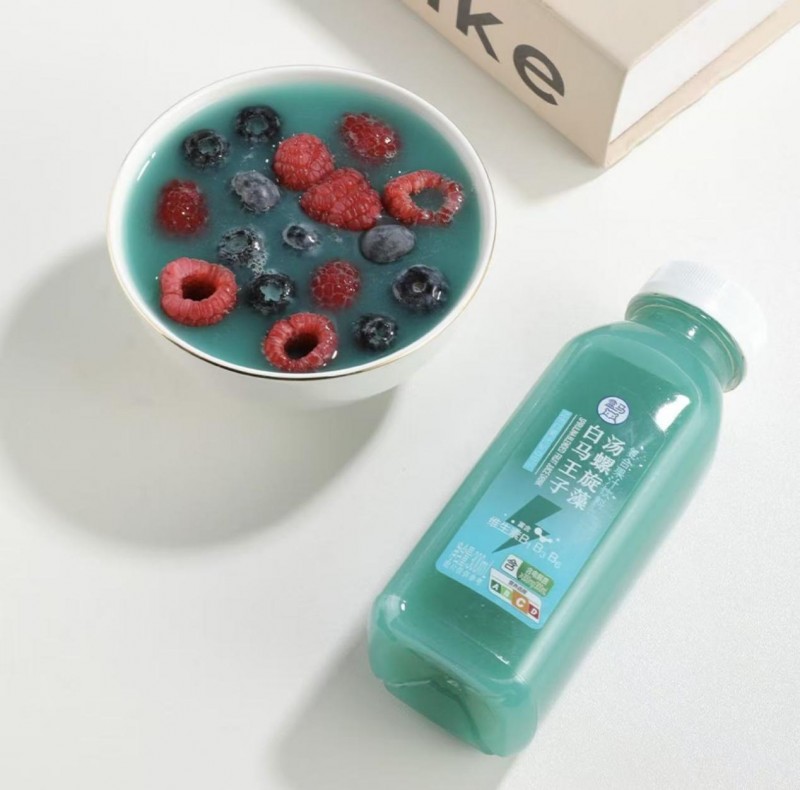
白马王子汤

Search documents
今年最抽象的网红饮料,从英国火回内蒙老家
3 6 Ke· 2025-12-03 08:34
Group 1 - The "White Horse Prince Soup" has gained popularity among young consumers, originating from a viral video by a British student, which humorously linked the drink to weight loss and romantic aspirations [3][5][7] - The drink is a product of the British juice brand Innocent, specifically their "Blue Bolt" beverage, which contains coconut water, guava, lemon, and spirulina, and has sparked significant social media engagement [7][10] - The domestic version of the drink in China incorporates electrolytes and various fruit juices, including apple juice and coconut water, while maintaining spirulina as a key ingredient [7][8] Group 2 - Spirulina, a type of microalgae, is highlighted for its high protein content and natural blue pigment, making it a popular ingredient in health foods and beverages [8][20] - Inner Mongolia's Ordos City, particularly the Eerduosi region, is a major producer of spirulina, contributing over 40% of the global supply, with an annual production exceeding 5,000 tons [10][17] - The region's unique environmental conditions, including high sunlight exposure and alkaline lakes, create an ideal habitat for spirulina cultivation, leading to advancements in production techniques and product quality [14][17] Group 3 - The rise of spirulina as a "new Chinese specialty" is noted, with cultivation expanding beyond Inner Mongolia to other regions like Yunnan and Ningxia, where saline-alkali lands are being utilized for spirulina farming [20][22] - Spirulina's potential extends beyond food and cosmetics, as it can absorb carbon dioxide during growth and may contribute to biofuel production in the future [22][23] - The drink "White Horse Prince Soup" symbolizes the intersection of modern consumer trends and traditional agricultural practices, showcasing the innovative use of local resources [20][22]

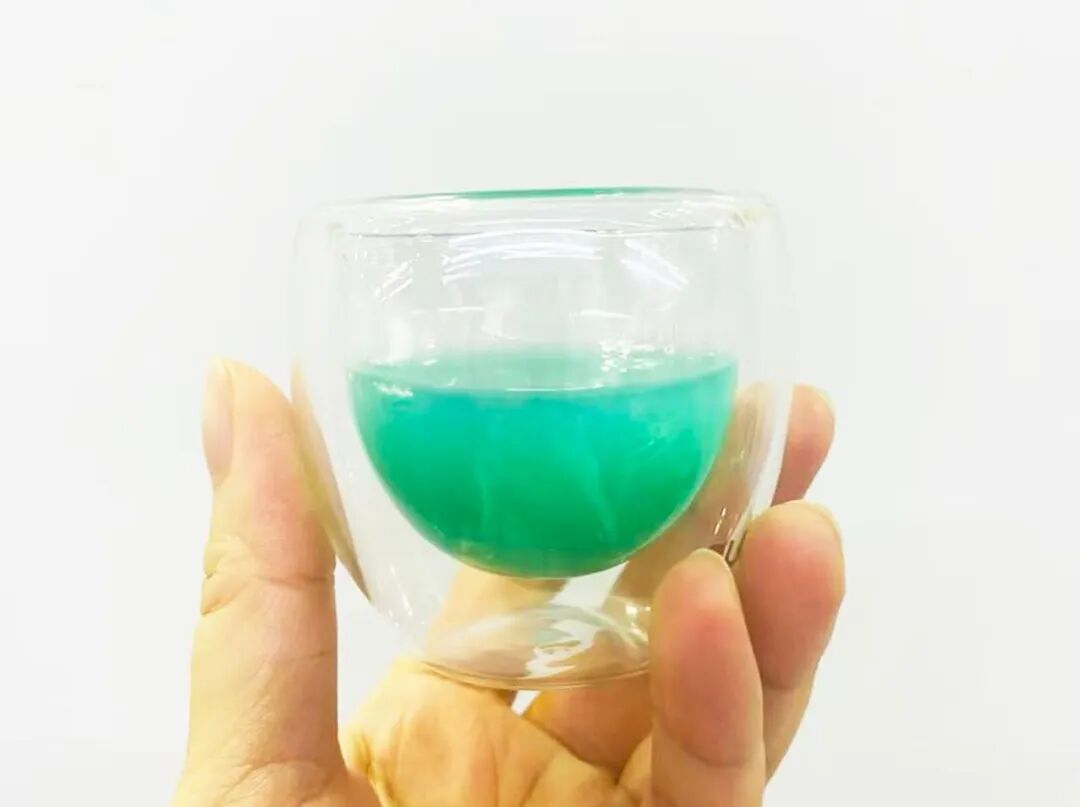
盒马“白马王子汤”刷屏社媒:现象级饮品背后的市场逻辑与行业思考
Zhong Guo Shi Pin Wang· 2025-11-05 07:45
Core Insights - The product "White Horse Prince Soup" by Hema has gained significant popularity on social media, with over 6.02 million views and 110 million video plays, appealing to young consumers through its aesthetic and health-oriented branding [1][3] Group 1: Phenomenon and Marketing Strategy - The product's marketing strategy effectively resonates with consumer preferences, focusing on visual appeal and emotional connection, with over 60% of discussions centered on its aesthetics and romantic naming [5] - Hema employs a combination of online user-generated content (UGC) and offline experiential marketing, utilizing social media to drive engagement and in-store promotions to enhance visibility [5][7] - Previous successful products from Hema indicate a trend of capturing young consumer demands through health-focused and contextually relevant offerings [5] Group 2: Supply Chain and Product Development - Hema's supply chain utilizes a "central kitchen + regional distribution" model, allowing for real-time sales data adjustments and improved responsiveness compared to traditional retail models [7] - The product was developed in collaboration with Leyuan Health, targeting the 18-35 age demographic, with a focus on maintaining a low sugar content and incorporating functional ingredients [7][10] - The production process claims to enhance nutrient retention and shelf life, addressing consumer demands for both health and convenience [10] Group 3: Industry Trends and Challenges - The case of "White Horse Prince Soup" reflects a shift in the health beverage market towards collaborative innovation between retail channels and production companies, creating a closed loop from demand to sales [12] - The industry faces challenges in defining innovation boundaries and balancing health attributes with consumer experience, as demands for low-sugar and natural products increase [12] - Future competition in the health beverage market will focus on precise demand insights, efficient technology transfer, and compliance with innovation standards [13]