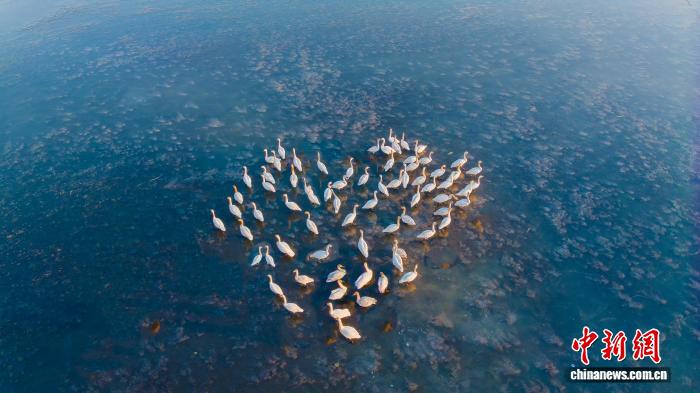
白鹤

Search documents
白鹤做客余杭南湖
Hang Zhou Ri Bao· 2025-11-28 02:28
Core Points - A pair of white cranes, including a juvenile, was spotted at the South Lake in Yuhang, attracting birdwatchers [2] - White cranes are large migratory wading birds, primarily inhabiting open marshes, lakeshores, and shallow wetlands [2] - The adult white crane has a height of 130 to 140 centimeters and can live over 70 years, symbolizing good fortune and longevity in Chinese culture [2] Population and Conservation Status - There are three global populations of white cranes that migrate along different routes, with the central and western populations nearly extinct over the past 20 years, leaving only the eastern population that passes through China [2] - According to the World Natural Heritage Conservation Alliance, the global white crane population is now less than 4,000, with 98% wintering at Poyang Lake [2] - White cranes are classified as critically endangered on the IUCN Red List and are a national first-class protected animal in China [2] Habitat and Protection Efforts - The repeated sightings of white cranes at South Lake and North Lake indicate that these areas have become important stopover sites for the eastern migratory population due to years of wetland conservation efforts [2]

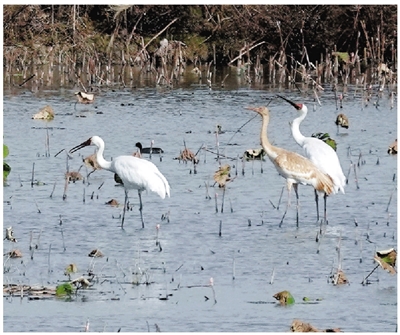
科尔沁国家级自然保护区里的守护人:用“珍惜”换“珍稀”
Zhong Guo Xin Wen Wang· 2025-10-05 07:17
Core Viewpoint - The article highlights the dedication of the staff at the Inner Mongolia Khorchin National Nature Reserve in protecting migratory birds and their habitat, emphasizing the importance of conservation efforts in the region. Group 1: Conservation Efforts - The Khorchin National Nature Reserve covers an area of 119,587 hectares, with a management team of 9 members responsible for a 14,000-hectare ecological functional area [2] - The reserve is a crucial stopover for migratory birds along the East Asia-Australasia flyway, with staff actively monitoring and protecting the wildlife [5] - The management team conducts regular patrols, often facing harsh weather conditions, to ensure the safety of the flora and fauna, including the rare Mongolian elm [4] Group 2: Wildlife Rescue and Rehabilitation - The wildlife rescue center within the reserve is staffed by individuals who care for injured migratory birds, with a focus on rehabilitation and release [5][6] - The center has successfully treated various species, including a red-crowned crane, which was released back into the wild after recovery [8] - As of the latest monitoring in spring 2025, the reserve has recorded 239 bird species, including five newly discovered species, indicating a positive trend in biodiversity [9]