皇家剑南春·乙巳瑞蛇

Search documents
双11文创酒破局:剑南春以文物活化重构白酒高端叙事
Jing Ji Guan Cha Bao· 2025-11-07 12:31
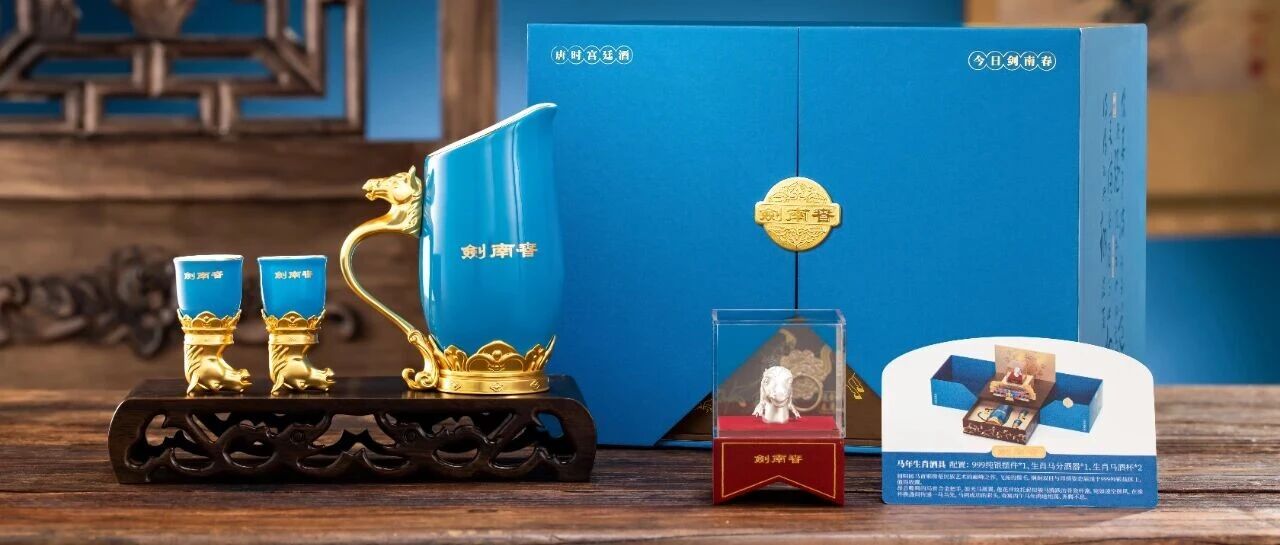
Core Insights - The Chinese liquor industry is transitioning from a "price war" to a "cultural war," with a focus on cultural experiences rather than just product functionality [1][2] - Jian Nan Chun is pioneering a new cultural competition track in the high-end liquor market through its cultural liquor strategy, particularly with its zodiac liquor series [1][2] Industry Trends - The annual Double 11 shopping festival is evolving from a simple price-cutting event to a platform for brand culture display and new product launches [1][2] - There is a strong consumer purchasing intent for high-end liquor, particularly for year-end gifting and family gatherings, leading to a surge in inventory preparation [1][2] Company Strategy - Jian Nan Chun has successfully launched zodiac and cultural liquors during major promotional events for three consecutive years, transforming Double 11 into a "Cultural New Product Day" [2][3] - The company has introduced the "Bing Wu Ma Nian" zodiac liquor, which is part of a collaboration with the National Museum of China, creatively integrating historical artifacts into its product design [3][4] Product Details - The "Bing Wu Ma Nian" zodiac liquor is limited to 30,000 bottles with a suggested retail price of 1,099 yuan per bottle, enhancing its scarcity and collectible value [3] - Jian Nan Chun's previous cultural product, "Jian Nan Chun·Liu Jin Ji," was also released in a limited edition of 20,000 bottles, showcasing the company's strategy of creating exclusive offerings [3] Cultural Integration - Jian Nan Chun's cultural practices redefine the "cultural premium" of liquor, emphasizing the importance of cultural depth and brand heritage in the competitive zodiac liquor market [5][7] - The design of the zodiac liquor incorporates cultural symbols and aesthetic values, enhancing brand recognition and consumer engagement [6][8] Market Positioning - Jian Nan Chun's approach to cultural integration provides a new perspective on defining "cultural premium" in the liquor industry, focusing on brand value and cultural positioning [7][9] - The company has established a narrative system that combines Tang Dynasty culture, artifact activation, and contemporary aesthetics, creating a unique brand identity [8][9]
双11文创酒破局:剑南春以文物活化重构白酒高端叙事
经济观察报· 2025-11-07 03:37
Core Viewpoint - The Chinese liquor industry is transitioning from a "price war" to a "cultural war," emphasizing cultural experiences over mere product functionality [1][6]. Group 1: Market Trends - The high-end liquor market is experiencing a surge in demand, particularly for cultural liquor products, as consumers show strong purchasing intentions during the year-end gift-giving season and family gatherings [2][6]. - The annual Double 11 shopping festival is evolving from a simple price-cutting event to a platform for brand cultural display and new product launches [2][6]. Group 2: Company Strategy - Jian Nan Chun is redefining the cultural premium of liquor through its zodiac wine series and cultural innovation, effectively capturing the trend of cultural competition in the high-end liquor market [3][6]. - The company has successfully launched zodiac and cultural liquor products during major promotional events for three consecutive years, transforming Double 11 into a "Cultural New Product Day" [6][16]. Group 3: Product Innovation - Jian Nan Chun's zodiac wine, the "Bing Wu Horse Year Zodiac Wine," is part of a collaboration with the National Museum of China, creatively integrating historical artifacts into its design [7][10]. - The limited release of the zodiac wine, with only 30,000 bottles priced at 1,099 yuan each, enhances its scarcity and collectible value [10][11]. Group 4: Cultural Integration - Jian Nan Chun's cultural practices aim to define the "cultural premium" of liquor, focusing on cultural depth and innovative expression in its zodiac wine offerings [13][14]. - The company has developed a multi-dimensional cultural narrative system that combines Tang Dynasty culture, artifact activation, and contemporary aesthetics, enhancing both cultural and commercial value [17][18].