
丙午马年生肖酒

Search documents
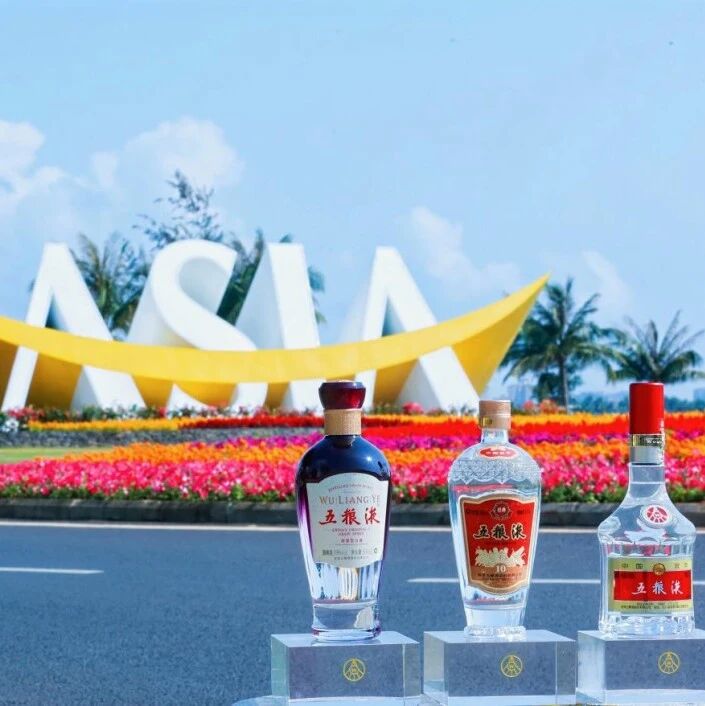
五粮液携“全明星”产品矩阵亮相,以酒为媒庆贺博鳌银禧
阿尔法工场研究院· 2026-03-30 00:33
Core Viewpoint - The article emphasizes the strategic partnership between Wuliangye and the Boao Forum, highlighting the integration of "He Mei" culture into global dialogue and the brand's commitment to innovation and market engagement, aiming to elevate Wuliangye from a Chinese liquor to a globally recognized brand [1][4][20]. Group 1: Partnership and Cultural Integration - Wuliangye has been a strategic partner of the Boao Forum since 2018, deepening its collaboration and aligning its brand philosophy of "He Mei" with the Forum's values of openness and mutual benefit [4][7]. - The partnership allows Wuliangye to express Chinese culture globally, transforming traditional brewing wisdom into an internationally relatable narrative [4][7]. Group 2: Brand Presence at Boao Forum - In 2026, Wuliangye participated in the Boao Forum with a high-profile presence, showcasing immersive brand experiences and cultural expressions through various events and installations [5][9]. - The brand's activities included a series of high-end products, such as the FIFA World Cup collaboration, which generated significant market interest and positioned Wuliangye as a premium choice [9][10]. Group 3: Product Innovation and Market Strategy - Wuliangye introduced a "star product matrix" at the Forum, featuring limited edition items that combine cultural significance with high-end appeal, driving both brand value and market engagement [9][11]. - The company’s marketing strategy includes interactive experiences that convert brand exposure into tangible sales, creating a full-cycle marketing loop from experience to purchase [12][17]. Group 4: Sales and Marketing Initiatives - The "Wuliangye Boao Consumption Season" launched during the Forum aimed to convert brand awareness into sales through targeted promotions and exclusive offers for attendees [17][19]. - The strategy includes leveraging different sales channels, such as duty-free shops and member centers, to enhance customer engagement and brand loyalty [19][20].


“出厂价”时代终结 “随行就市”新周期开启——贵州茅台重构价格锚点
新华网财经· 2026-01-16 07:08
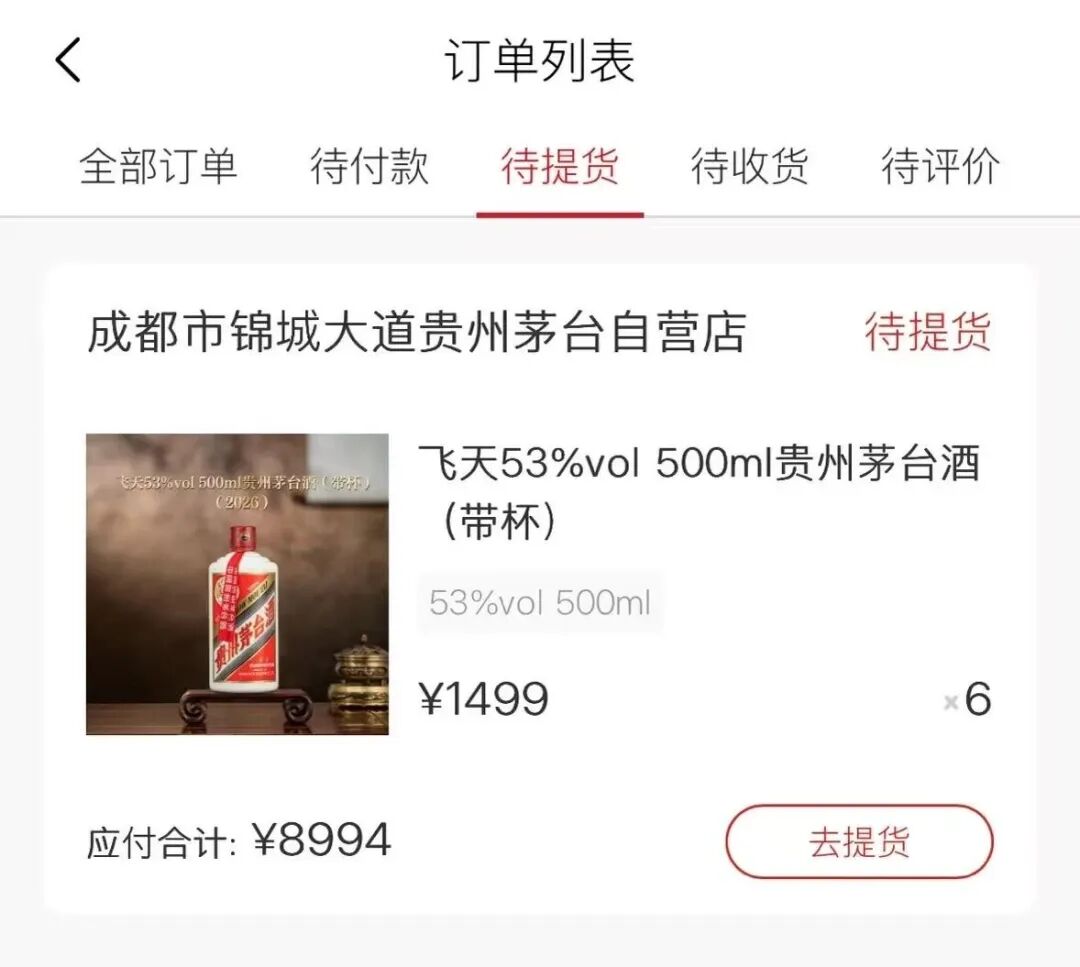
Core Viewpoint - The article discusses the significant transformation in Kweichow Moutai's pricing strategy with the introduction of the "2026 Kweichow Moutai Market-Oriented Operation Plan," which shifts from a static factory price model to a dynamic pricing mechanism based on real market demand and self-operated retail prices [2][3]. Pricing: From "Manufacturer Pricing" to "Market Consensus" - The traditional profit chain in the liquor industry has been rigid, with manufacturers setting factory prices and distributors marking them up for retail. This model has become increasingly inflexible, exemplified by the 53-degree 500ml Flying Moutai, which maintained a price of 1499 yuan for eight years despite market prices exceeding 3000 yuan during high demand periods [5][6]. - The new plan aims to overturn this long-standing logic by establishing a pricing standard that reflects real-time market supply and demand, utilizing data from the "i Moutai" platform. The pricing will be based on self-operated retail prices, which will help to compress arbitrage opportunities [6]. Channels: From "Transporters" to "Service Providers" - The change in pricing mechanisms will lead to a transformation in the channel ecosystem, with distributors evolving from mere transporters of goods to providers of brand and service. The introduction of consignment and agency models will be key to this transition [7][8]. - For instance, the recent launch of the Year of the Horse zodiac wine illustrates this new operational model, where consumers order through "i Moutai," and stores provide fulfillment services. This reduces the financial burden on distributors and allows them to earn fixed commissions through quality service [8]. Products: Formation of a "Pyramid" System - Alongside the "market-following" mechanism, Moutai has developed a strategic product matrix, creating a clear and tiered "pyramid" product system. This includes: - Base (below 1500 yuan): Products like the 100ml Flying Moutai (299 yuan) and 1L Flying Moutai (2989 yuan) cater to mass consumption and entry-level business needs [10][12]. - Mid-tier (1500-2500 yuan): This previously underserved segment is now a growth area for Moutai, with products like the 1899 yuan zodiac series and 2299 yuan premium Moutai targeting cultural gifting and high-end business upgrades [11][12]. - Top-tier (above 2500 yuan): Cultural and aged series products define the brand's value ceiling, targeting high-net-worth individuals [12]. - The alignment of core product prices with self-operated terminal prices ensures Moutai's robust expansion across different economic cycles, reflecting a commitment to long-term strategy [12].

1499元飞天茅台酒在i茅台首日半小时售罄显示需求旺盛
Jin Rong Jie· 2026-01-01 07:45
Core Insights - The 2026 edition of 53-degree 500ml Flying Moutai was launched on the iMoutai platform at a retail price of ¥1499, indicating strong market demand for Moutai liquor [1] - The product sold out within approximately half an hour after its release, showcasing the continued popularity of Moutai among consumers [1] - Users reported that the iMoutai purchasing page displayed "restocking" every five minutes during the buying process, reflecting high consumer interest [1] Group 1 - The 2026 Moutai is available for purchase by all users, with options for delivery and in-store pickup [1] - Other years of Moutai are not yet available for purchase, only their prices are listed [9] - The new year's zodiac-themed liquor and other Moutai products are also in high demand, with all three different specifications showing signs of being sold out [9] Group 2 - Daily sales of the 53-degree 500ml Flying Moutai will continue on the iMoutai app starting at 09:00 [9]
“温度”的力量:“和美”生态,重塑中国白酒共生新范式
阿尔法工场研究院· 2025-12-29 00:05
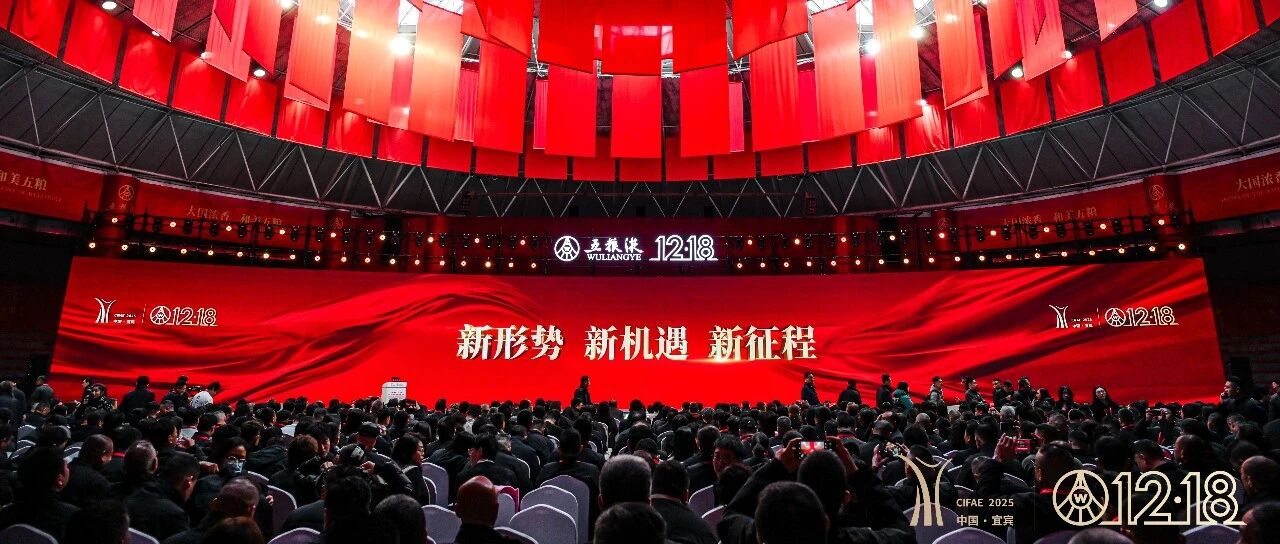
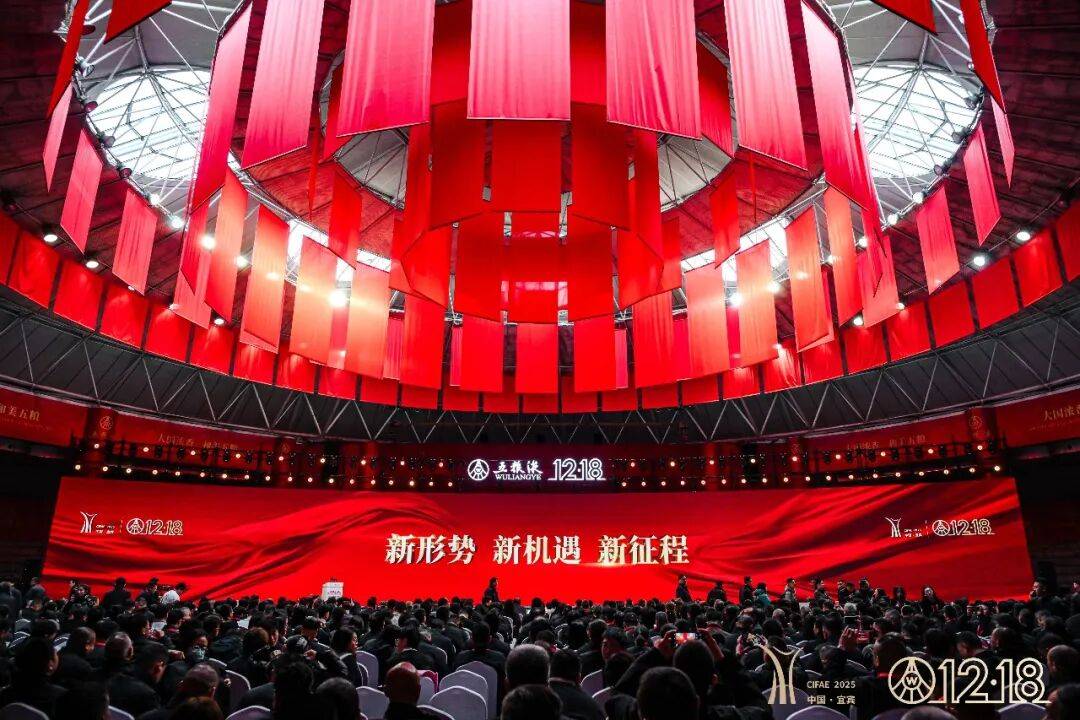
Core Viewpoint - The article discusses the transformation of the "Harmony and Beauty" culture into practical business practices, highlighting the strategic direction and initiatives of Wuliangye Group during the 29th Consensus Building and Sharing Conference on December 18 [2][4]. Group 1: Strategic Initiatives - Wuliangye has positioned 2026 as the "Year of Marketing Integrity and Innovation," focusing on enhancing brand value while implementing a dual-target strategy to improve market share and sales performance [6]. - The company introduced a series of measures to reshape traditional cooperation models, emphasizing a dual-track support system for partners that combines incentives with support [7][8]. - Wuliangye's proactive measures during market downturns, such as slowing down shipment rates and lowering payment requirements, reflect a commitment to long-term channel health over short-term performance [10]. Group 2: Cultural Integration - The conference activities, including a sacrificial ceremony and a cultural night, reinforced the cultural identity and heritage of Wuliangye, showcasing its commitment to blending traditional values with modern business practices [13][15]. - Wuliangye aims to create a "fate community" with its partners, transcending mere commercial contracts to foster emotional and cultural connections [17][19]. Group 3: Market Positioning - The company is transitioning from a product supplier to a platform provider, focusing on deep strategic collaboration with distributors to enhance their operational capabilities and market presence [22][24]. - Wuliangye's initiatives aim to establish a win-win ecosystem involving brands, distributors, and consumers, ensuring a stable and trustworthy market environment [26]. Group 4: Industry Leadership - Wuliangye's "Harmony and Beauty" paradigm extends beyond its operations, aiming to lead the entire liquor industry towards high-quality development and sustainable practices [28][30]. - The company is actively involved in setting industry standards and promoting the protection and inheritance of cultural heritage within the sector [32][33].
白酒慢下来,谁能站得住?
虎嗅APP· 2025-12-25 13:38
Core Viewpoint - The core keyword for the liquor industry in 2025 is "deep adjustment," with a focus on returning to product essence and value recognition, emphasizing who can maintain quality and stabilize channels [2] Group 1: Industry Environment - The industry is currently under pressure, with demand contraction, channel stress, and price transparency, necessitating a long-term strategy focused on stability rather than short-term aggressive tactics [3] - The leading companies in the industry, such as Wuliangye, exhibit resilience, which serves as a source of confidence during the industry's adjustment period [4] Group 2: Wuliangye's Strategy - Wuliangye has adopted a long-cycle strategy, prioritizing price stability and product quality over short-term scale fluctuations [4] - The company aims to build a community of shared destiny with distributors, utilizing digital systems to empower terminals and shift the focus of value distribution towards service and sales actions [7] Group 3: Distributor Relations - Wuliangye's approach includes enhancing the relationship with distributors by ensuring both material benefits and cultural recognition, fostering a sense of partnership rather than a mere transactional relationship [8][9] - The company has seen significant growth in its banquet market, with a 30% increase in banquet sessions and bottle openings, indicating a successful strategy in engaging with consumers [10] Group 4: Cultural Integration - Wuliangye emphasizes cultural expression through various events, reinforcing its brand values and creating emotional connections with consumers [11][15] - The brand's philosophy of "harmony and beauty" resonates across different consumer groups and occasions, positioning it as a preferred choice in both domestic and international markets [17][18] Group 5: Market Positioning - Wuliangye aims to occupy a key position in the high-end business banquet segment, focusing on the 1000-1200 yuan price range, which aligns with the values of collaboration and mutual recognition in business settings [9] - The company is moving beyond being a mere social symbol to becoming a preferred choice for significant moments and gatherings, thus enhancing its market presence [17] Group 6: Future Outlook - The liquor industry is entering an adjustment phase, with a growing emphasis on quality growth, channel health, and consumption scenarios, necessitating a return to fundamental questions about the reasons and contexts for drinking [20][21] - Companies must maintain strategic focus and return to value fundamentals to navigate through this deep adjustment cycle successfully [21]

“三大支柱”锚定航向:五粮液12·18大会擘画“十五五”战略新蓝图
Sou Hu Cai Jing· 2025-12-24 05:24
Core Insights - The article discusses the 29th 12·18 Consensus Building and Sharing Conference of Wuliangye, emphasizing its role as an industry "barometer" amid the uncertainties facing the liquor industry in 2025 [1][3] - Wuliangye outlines its strategic blueprint for the "15th Five-Year Plan" period, aiming to inject strong momentum into high-quality development for both the company and the industry [1][3] Industry Context - The liquor industry is in a deep adjustment phase, characterized by a "triple overlap" of new policy adjustments, differentiated consumption structure transitions, and deep competition among existing players [3] - The industry is currently shrouded in uncertainty, as highlighted by the China Alcoholic Drinks Association's report [3] Company Strategy - Wuliangye's chairman, Zeng Congqin, emphasizes the company's commitment to quality, cultural foundation, innovation, market-oriented operations, and striving for excellence as key strategic pillars [5][6] - These five commitments create a closed loop that enables Wuliangye to navigate the uncertainties of the industry while maintaining a growth trajectory [6] Core Competitiveness - Wuliangye identifies quality, culture, and innovation as its three core pillars for sustainable development [7][8] - The company has established a comprehensive quality system, with 1.7 million acres dedicated to raw material production, ensuring high-quality inputs for its products [8][9] - Wuliangye's product matrix has been restructured to meet diverse market demands, achieving recognition for quality, including a nomination for the "Fifth China Quality Award" with a record score of 733 points [9] Cultural Initiatives - Wuliangye is advancing its cultural initiatives both internally and externally, transforming its rich cultural heritage into brand growth momentum [10] - The company emphasizes a collaborative culture with its distributors, as evidenced by the theme change of the conference from "co-consultation" to "consensus" [10] Innovation Efforts - Wuliangye's innovation strategy encompasses various aspects, including product, channel, market, and mechanism innovations [11] - The company plans to expand its presence with new retail formats and partnerships with major e-commerce platforms [11] Strategic Vision for the Future - The conference serves as a platform for Wuliangye to outline its strategic direction for the "15th Five-Year Plan," focusing on historical legacy and global leadership in the liquor industry [12] - Wuliangye's strategic framework includes "five coordinations" and "three emphases," aiming for sustainable and coordinated long-term development [12][13] Marketing Strategy - Wuliangye's marketing strategy for 2026 will focus on brand value enhancement and innovative marketing approaches to boost market share [13][15] - This comprehensive strategic planning is expected to provide a solid foundation for Wuliangye to navigate industry cycles and serve as a model for high-quality development in the liquor sector [15]
食品饮料行业周报:政策催化,消费转变可期-20251221
GUOTAI HAITONG SECURITIES· 2025-12-21 07:57
Investment Rating - The report rates the food and beverage industry as "Overweight" [1] Core Insights - The expansion of domestic demand is being elevated to a strategic level, and the consumption sector is expected to rebound from the bottom. The liquor sector, particularly Wuliangye, is set to focus on high-quality sales and market share enhancement for 2026. The dairy product sector is anticipated to experience a cyclical reversal [3][9] Summary by Sections Investment Recommendations - The report emphasizes growth as the main line of investment, highlighting opportunities at turning points under supply and demand clearing. Recommended stocks include: 1. Liquor: Shanxi Fenjiu, Gujing Gongjiu, Yingjia Gongjiu, Jiuziyuan, Zhenjiu Lidu, Shede Liquor, and Jinhuijiu for growth; Guizhou Moutai, Wuliangye, and Luzhou Laojiao as stable picks [8] 2. Beverages: Eastroc Beverage and Nongfu Spring (Hong Kong stock) for structural high growth; China Foods, Master Kong Holdings, Uni-President China, and China Wangwang (all Hong Kong stocks) for low valuation and high dividends [8] 3. Snacks and food raw materials: Recommended stocks include Bailong Chuangyuan, Yanjinpuzi, Weilong Delicious (Hong Kong stock), Three Squirrels, and Ximai Foods [8] 4. Beer: Recommendations include Yanjing Beer, Qingdao Beer, Zhujiang Beer, and China Resources Beer (Hong Kong stock) [8] 5. Seasonings and livestock: Recommended stocks include Qianhe Flavor Industry, Baoli Foods, Babi Foods, Anjui Foods, Haitian Flavoring, Angel Yeast, Yili, New Dairy, Youran Livestock (Hong Kong stock), and Modern Animal Husbandry (Hong Kong stock) [8] Liquor Sector - Wuliangye has set its 2026 target as a "Year of Marketing Integrity and Innovation," focusing on enhancing market share and product matrix restructuring. The company aims to ensure channel collaboration and protect merchant rights, with a focus on maintaining high-end liquor market share while restructuring the pricing system [10][11][13] Consumer Goods - The dairy product sector is expected to see a cyclical reversal, driven by new fertility policies and domestic demand expansion. The Eastroc Beverage is expanding its product categories and is expected to exceed market expectations [14][16]


五粮液表态不会为短期增速而恶性竞争:确保经销商合理经营回报,直面电商百亿补贴
Cai Jing Wang· 2025-12-18 14:05
Core Viewpoint - The recent conference by Wuliangye has provided reassurance to the liquor industry amidst fluctuating pricing and sales strategies, emphasizing a commitment to long-term stability over short-term gains [1][7]. Group 1: Company Strategy and Reforms - Wuliangye has implemented unprecedented reforms linking executive compensation to market performance, establishing mechanisms for performance-based adjustments and dismissals for underperformance [1][8]. - The company is focusing on maintaining reasonable returns for distributors and avoiding destructive competition for short-term growth [1][7]. - Wuliangye is enhancing its marketing mechanisms and has shifted from a divisional to a company structure, with direct oversight from senior management [8][10]. Group 2: Industry Challenges and Responses - The liquor industry is currently facing four major issues: overcapacity, high inventory, price inversion, and lack of consumption scenarios [3][4]. - The industry is showing signs of recovery, with improved capacity optimization and a reduction in high inventory levels as premium brands adjust their market strategies [3][4]. - The Ministry of Industry and Information Technology has recognized the liquor industry as a historical classic industry, aiming to enhance its influence and promote high-quality development [4]. Group 3: Market Dynamics and Future Outlook - Wuliangye aims to balance volume and price, with specific targets for its products in the premium segment, including the eighth generation of Wuliangye and Wuliangye 1618 [9][10]. - The company is actively engaging with e-commerce platforms and has initiated a significant subsidy program to stabilize its supply chain and enhance market presence [10][11]. - The overall strategy emphasizes rational growth, with a focus on maintaining market order and preventing price disruptions [7][12].

谁在“做空”水晶剑?
阿尔法工场研究院· 2025-11-21 00:39
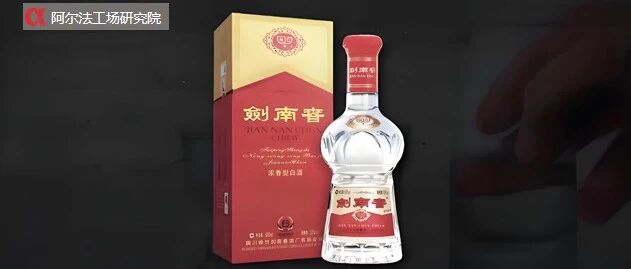
Core Viewpoint - The "Double 11" sales event for liquor this year has revealed significant price drops and a concentrated reconciliation of channel systems, exceeding industry expectations [2][3]. Group 1: Market Dynamics - This year's "Double 11" saw a deeper discounting trend compared to previous years, indicating a release of pent-up emotions within the market [4]. - The core product of Jian Nan Chun, the Crystal Sword, experienced a notable decline in price despite maintaining high sales volume on platforms like Tmall and Meituan [5][6]. - The price of the Crystal Sword fell to around 350 RMB, significantly below its factory price of 410 RMB, due to aggressive subsidies and promotions from various platforms [5][10]. Group 2: Channel and Inventory Issues - The traditional speculative logic in channel management, where products were considered "safe bricks" for investment, has failed during this year's "Double 11" [7]. - Many orders for the Crystal Sword on platforms like Douyin remained unfulfilled post "Double 11," leading to financial losses for resellers who had anticipated selling at a profit [8][9]. - The market in Ningbo, a key area for the Crystal Sword, has seen rapid price changes due to its transparent channel network and high liquidity [12][13]. Group 3: Financial Performance and Challenges - Jian Nan Chun's revenue for 2024 is projected at 16.94 billion RMB, with a growth rate of only 3.74%, a significant decline from the previous year's 13.55% [28]. - Achieving the ambitious revenue target of 30 billion RMB by 2025 would require a staggering 77.1% year-on-year growth, which is challenging given the current market conditions [28]. - The brand's growth remains heavily reliant on the Crystal Sword, while its high-end product lines have not yet established a stable consumer base [28][29]. Group 4: Strategic Outlook - The liquor industry is shifting from growth to structural adjustment, with increasing pressure on mid-range price segments and tighter price linkages between e-commerce and offline channels [31]. - Jian Nan Chun faces critical questions regarding restoring channel confidence, re-establishing price order, and ensuring that distributors do not experience repeated concentrated sell-offs [31]. - The ability of Jian Nan Chun to leverage the sales momentum from "Double 11" to enhance brand competitiveness remains to be seen [31].
首批马年生肖酒来了;宋河已经完成管理交接|观酒周报
2 1 Shi Ji Jing Ji Bao Dao· 2025-11-10 06:30
Core Viewpoint - The Chinese liquor industry is actively preparing for the Year of the Horse with various companies launching limited edition zodiac-themed products for pre-sale, indicating a competitive market environment and consumer interest in collectible alcoholic beverages [1][2][3]. Group 1: Zodiac Liquor Launches - Companies such as Jian Nan Chun, She De, Ben Fu, and Lu Zhou Lao Jiao have introduced their zodiac liquor products for the Year of the Horse, with She De offering a limited edition of 100,000 boxes priced at 598 yuan for a 518ml bottle [2]. - Jian Nan Chun has partnered with the National Museum of China to release a 888ml bottle of zodiac liquor priced at 1099 yuan, with a limited run of 30,000 bottles [2]. - Ben Fu is set to launch a series of zodiac liquors across various product lines, while Lu Zhou Lao Jiao has already released a 1.2L gift liquor priced at 888 yuan [3]. Group 2: Industry Collaborations and Innovations - Gu Yue Long Shan and China Resources Beer have launched a new product called "Yue Xiao Pi," which combines yellow wine and beer, showcasing innovation in the beverage sector [4]. - The strategic partnership between Gu Yue Long Shan and China Resources Beer was announced last month, indicating a trend towards collaboration in the industry [5]. Group 3: Corporate Developments - The transfer of control at Song He Liquor has been completed, with new leadership aiming to revitalize the brand through innovative channel models and a focus on long-term growth [6]. - The new management team plans to implement a "wine warehouse" model, which includes nearly 200 smart wine warehouses and a sample store opening soon in Zhengzhou [6]. Group 4: Market Trends and Performance - The national liquor prices have seen a decline of 2% year-on-year in October, reflecting broader market trends in consumer pricing [10]. - During a recent earnings call, Moutai reported a recovery in sales after a period of reduced market supply, with a focus on maintaining market stability and resilience [11].