
石斛枫斗

Search documents
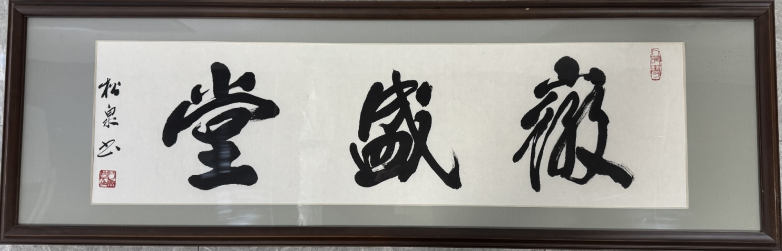
创立于1899年的徽盛堂:百年薪火淬炼的“霍山仙草”守护者 典籍寻踪,生命密码的千年回响
Sou Hu Wang· 2026-01-21 10:18
Core Viewpoint - The article highlights the historical significance and modern development of Huoshan Dendrobium, a traditional Chinese medicinal herb, emphasizing its unique characteristics, cultivation challenges, and the evolution of its market presence over the past century [1][3][15]. Group 1: Historical Background - Huoshan Dendrobium, known as "Huoshan Xian Cao," is revered as one of the "Nine Great Immortal Herbs" in traditional Chinese medicine, with a specific growth environment and limited production, making it extremely rare [3][5]. - The herb has been cultivated in Huoshan since at least 1899, when the founder of the Xiaos family, Xiao Hongsheng, established a pharmacy that emphasized the quality of Huoshan Dendrobium [5][11]. - By 1911, there were seven private pharmacies in Huoshan, but the market faced challenges due to reliance on farmers and rising prices [6][7]. Group 2: Development and Innovation - The establishment of "Hui Sheng Tang" in 1989 marked a significant shift, as the company began to cultivate Dendrobium using modern agricultural techniques while maintaining traditional quality standards [11][13]. - In 2012, Hui Sheng Tang launched e-commerce sales, allowing consumers nationwide to purchase authentic Huoshan Dendrobium directly, thus modernizing its distribution [13][14]. - The company has diversified its product offerings to include innovative forms such as freeze-dried powder and original juice, catering to contemporary consumer preferences [13][14]. Group 3: Social Responsibility and Recognition - Hui Sheng Tang actively participates in rural revitalization efforts by collaborating with local farmers, providing stable income sources, and promoting local economic development [13][14]. - The brand has received multiple accolades, including "National Geographical Indication Protection Product" certification and "Organic Certification," enhancing its reputation in the market [14].

“三金”筑基,“三产”融合:铁皮石斛解锁浙南共富密码
Zhong Guo Shi Pin Wang· 2025-07-25 09:03
Core Viewpoint - The article highlights the role of Dendrobium candidum, known as "the top of the nine sacred herbs in China," in promoting rural revitalization in southern Zhejiang, emphasizing the integration of technology, traditional craftsmanship, and innovative mechanisms for shared prosperity [1][7]. Group 1: Technological Innovation - The practice team observed the transformative power of technology in the Dendrobium candidum industry, with a smart nursery simulating the natural ecosystem to enhance seedling growth, achieving annual sales of high-quality seedlings worth 20 million yuan [2]. - The "Five-Transformation Planting Model" implemented in Pingyuan Village has transitioned from traditional planting to data-driven management, enhancing production standards and efficiency [2]. Group 2: Cultural Heritage and Value Addition - Non-heritage artisans in the community market have significantly increased the value of Dendrobium products through traditional processing techniques, with products like "Dragon Head and Phoenix Tail" Dendrobium reaching ten times their original value [2]. - The diversification of Dendrobium products, including freeze-dried extracts and beauty products, has opened new market avenues, while local tourism has attracted over 150,000 visitors annually [2]. Group 3: Economic Models for Shared Prosperity - The "Three Gold Model" in Pingyuan Village provides multiple income channels for villagers through land leasing, employment in local parks, and profit sharing, ensuring stable income [3]. - The collaboration between companies, cooperatives, and local bases has created a sustainable economic framework that benefits both farmers and the community [3]. Group 4: Youth Engagement and Innovation - The establishment of youth practice stations has fostered innovation in the Dendrobium industry, with university teams providing management optimization and public awareness initiatives [4]. - Young entrepreneurs are actively developing new products, such as Dendrobium mooncakes and fashionable snacks, enhancing market competitiveness [4]. Group 5: Industry Challenges and Responses - The industry faces challenges such as economic fluctuations affecting sales and concerns over the transmission of traditional skills among aging farmers [5]. - Companies are adopting blockchain technology for product traceability and expanding their product lines to enhance resilience against market risks [5].
