社交类APP

Search documents
别卷功能了,用户要的是“懂”
3 6 Ke· 2026-01-19 00:47
Core Viewpoint - The article discusses the transformation of tool-based apps and social software in the AI era, emphasizing that only those with true "memory capability" and "wisdom leap" will thrive, while superficial AI applications will be eliminated [1][24]. Group 1: Tool-based Apps vs. Social Apps - Tool-based apps are likened to diligent "honest workers," often perceived as mere utilities without emotional connection from users, leading to a "use and discard" relationship [8][11]. - Social apps, on the other hand, are described as "social butterflies," with high user engagement and loyalty due to their deep integration into social networks, making them difficult to replace [9][10]. Group 2: AI Transformation and User Expectations - Many tool-based apps are attempting to integrate AI features superficially, resulting in "artificial intelligence" that lacks depth and fails to meet user expectations [13][25]. - The true breakthrough for tool-based apps lies in developing memory capabilities that allow them to understand and anticipate user needs, transforming them into personalized digital companions [17][19]. Group 3: Wisdom Leap and Decision-Making - The responsibility of tools in the AI era must evolve from merely providing data to offering actionable insights and personalized decision-making support [20][21]. - A successful tool should not just present information but also guide users in making informed decisions based on their unique circumstances and historical data [22]. Group 4: Future Landscape and Competitive Dynamics - The future landscape for consumer software will be reshaped, with a clear divide between those who can adapt to user needs and those who cannot [23][24]. - Companies that fail to establish a meaningful relationship with users through advanced AI capabilities risk becoming obsolete, while those that succeed will become indispensable [28][29].
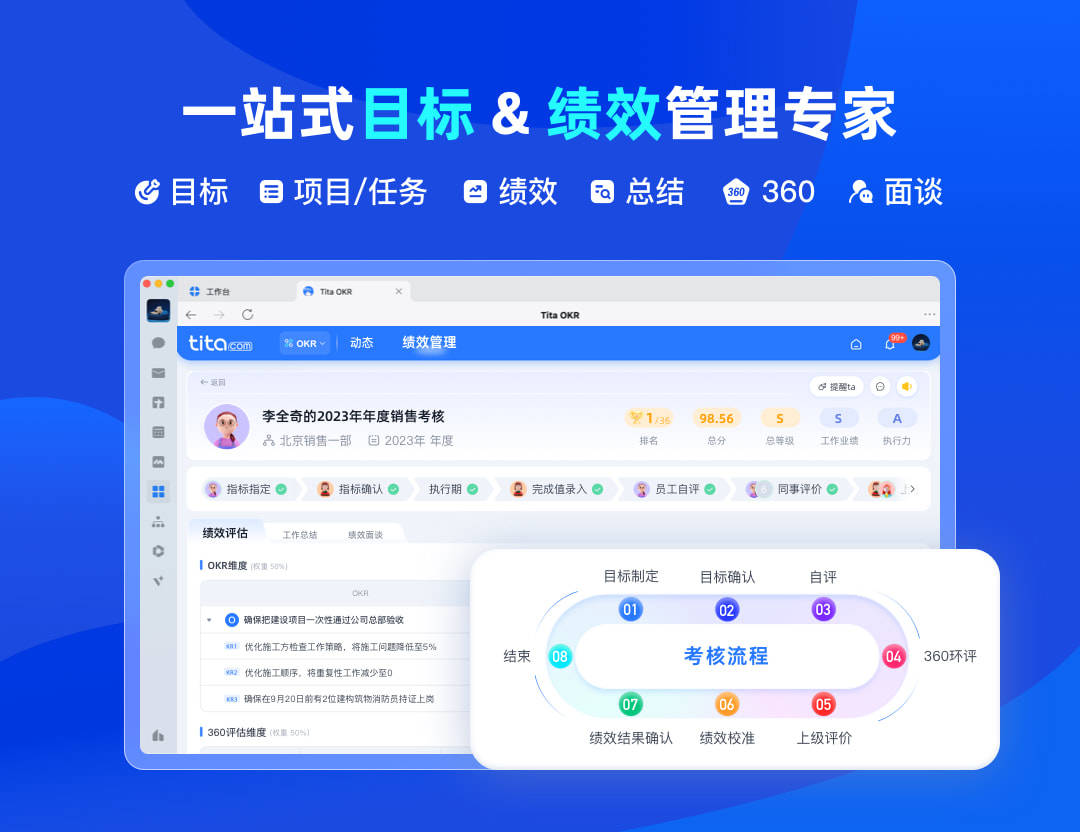
互联网企业 OKR 季度复盘与年度绩效考核配合落地案例
Sou Hu Cai Jing· 2025-10-30 04:48
Core Insights - The company is an internet enterprise with 100 employees, focusing on the development and operation of a social app aimed at young users, currently experiencing rapid user growth but facing challenges in user retention and monetization [1] OKR Implementation and Performance Review - The company recognizes the need to better align quarterly OKR reviews with annual performance assessments to effectively achieve corporate goals, allowing for timely adjustments and comprehensive evaluations of employee contributions [2] - At the beginning of the year, the management set annual OKRs, aiming to increase app user retention to 40% and achieve a 50% growth in commercial revenue, with specific key results outlined for each quarter [3] - Each department developed quarterly OKRs based on the company's annual objectives, with the product department focusing on optimizing core app features and user experience [3][4] Quarterly Review Process - At the end of each quarter, the company conducts OKR review meetings, which have led to significant improvements, such as an increase in user retention from 25% to 38% and a 45% growth in commercial revenue, enhancing employee motivation and inter-departmental collaboration [5] - The Tita platform supports the hierarchical setting of OKRs from company to individual levels, facilitating efficient quarterly reviews and annual assessments [5] Execution and Adjustment - During the quarterly review, departments analyze their OKR completion status, identify issues, and adjust the next quarter's objectives accordingly, ensuring continuous improvement [7] - The annual performance evaluation incorporates data from all four quarters, assessing not only the completion of OKRs but also problem-solving abilities and teamwork, leading to targeted training and development plans for employees [7]