
神农开物2号

Search documents
科好玩|太空蝴蝶“破蛹记”
Xin Hua She· 2026-02-05 08:17
Core Insights - A butterfly pupa from Earth has successfully hatched in space, marking a significant achievement for the research team at Chongqing University [2] Group 1 - The butterfly emerged from its pupa within the "Shennong Kaiwu 2" small space ecological system experiment payload, which was launched aboard the Kuaizhou-11 Yao-8 rocket [2] - Photographs transmitted from space show the newly hatched butterfly actively moving within the closed chamber, indicating good adaptation to the microgravity environment [2] - The research team has revealed insights into maintaining a healthy micro-closed ecological system in the unique conditions of space, where fluid behavior and material transport are altered [2]


“太空蝴蝶”破蛹展翅,太空生命生存试验翻新篇
Guan Cha Zhe Wang· 2026-02-04 12:35
Core Viewpoint - The successful launch and operation of the "Shennong Kaiwu 2" small space ecological system experiment by Chongqing University marks a significant advancement in understanding life sustainability in extreme space environments, particularly through the successful metamorphosis of a butterfly in microgravity conditions [3][8][9]. Group 1: Experiment Overview - The "Shennong Kaiwu 2" payload was launched on December 13, 2025, aboard the "Dier 5" space experiment device, successfully entering low Earth orbit and commencing its in-orbit testing [3]. - The experiment demonstrated stable technical indicators such as pressure and temperature within the sealed cabin, and notably, a butterfly successfully hatched and flew in microgravity [3][8]. Group 2: Technological Innovations - The experiment utilized a small cargo spacecraft developed by Ziwei Technology, capable of carrying over 300 kilograms and featuring a cargo space of 1.8 cubic meters, which allows for the management of over 100 payloads in orbit [5]. - The design of the "Shennong Kaiwu 2" payload adopted a low-cost commercial development model, with over 90% of components being industrial-grade, significantly reducing development and launch costs [5]. Group 3: Ecological System Design - The "Shennong Kaiwu 2" serves as a controlled ecological life support system (CELSS) with a total mass of only 8.3 kg and an internal usable space of 14.2 liters, constructed from magnesium alloy to withstand extreme conditions [7]. - The system incorporates a three-chain material circulation model involving plants (producers), butterflies (consumers), and microorganisms (decomposers), effectively maintaining gas composition stability within the sealed cabin [7]. Group 4: Research Implications - The successful hatching of the butterfly represents a significant milestone in the study of complex life support systems, advancing the understanding of the dynamic relationships between animals, plants, and microorganisms in space [8][9]. - Future research will focus on verifying the long-term operational capabilities of the ecological system, including structural durability, component adaptability to space conditions, and the sealed cabin's integrity [9].
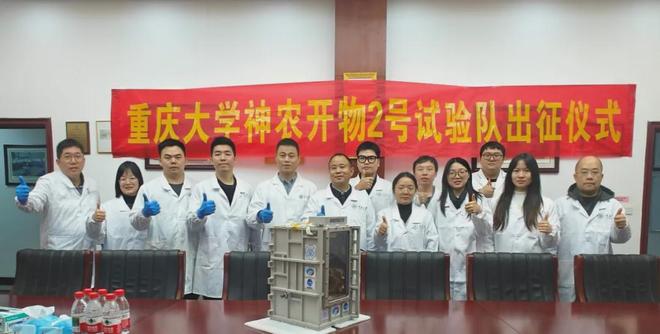
这只太空蝴蝶来自重庆
Xin Lang Cai Jing· 2026-02-03 17:46
Core Insights - A butterfly that completed its life cycle in space, referred to as the "space butterfly," has garnered attention, marking a significant advancement in space ecological research by the Chongqing University team [2][3] - The experiment aims to establish a closed-loop ecological system involving plants, butterflies, and microorganisms, simulating a self-sustaining material cycle [3] Group 1: Research Objectives and Achievements - The primary goal of the "Shennong Kaiwu No. 2" experiment is to observe not just the butterfly's metamorphosis but to create a functional ecosystem with plants and microorganisms [3] - The selected plants include oil, fiber, medicinal, and fruit crops, addressing diverse needs from basic supply to food and medicine [3] - The successful development of the butterfly in space signifies a breakthrough in the field of life support systems for future lunar or Martian bases [3] Group 2: Technical Innovations - The "Shennong Kaiwu No. 2" payload has undergone significant upgrades, with a total weight of 8.3 kg and a chamber volume of 14.2 liters, compared to the previous payload for the Chang'e 4 mission, which weighed under 3 kg and had a volume of about 1 liter [4] - Innovations in materials, such as the use of magnesium alloy, have enabled a lightweight design while maintaining structural integrity and sealing [4] Group 3: Energy and Environmental Management - The team optimized the design to utilize natural sunlight through light conduits, enhancing plant growth while minimizing energy consumption [5] - An advanced environmental monitoring system collects critical data on temperature, humidity, oxygen and carbon dioxide levels, pressure, and light intensity, providing essential information for future life support systems [5] Group 4: Cost-Effective Design Philosophy - The design philosophy emphasizes simplicity and cost control, with over 90% of components being industrial-grade, avoiding complex active temperature control systems [6] - The use of passive protection methods and optimized sealing structures has reduced the need for additional gas tanks and pressure control systems, significantly lowering costs [6] Group 5: Collaboration with Commercial Space Enterprises - The success of the "space butterfly" experiment exemplifies the integration of academic research with commercial space enterprises, enhancing resource efficiency and reducing costs [7] - The collaboration allows for a modular and standardized approach, compressing development cycles and costs while providing valuable experience for commercial space companies [7] Group 6: Future Implications for Space Research - The new paradigm of "research-driven demand supported by commercial power" is expected to lower the barriers and costs for space experiments, promoting a collaborative approach between state and private sectors [8] - This shift aims to accelerate the transition from a state-led model of space research to one that includes contributions from universities, research institutions, and innovative enterprises, fostering a vibrant ecosystem for low-cost, high-efficiency space experiments [8]
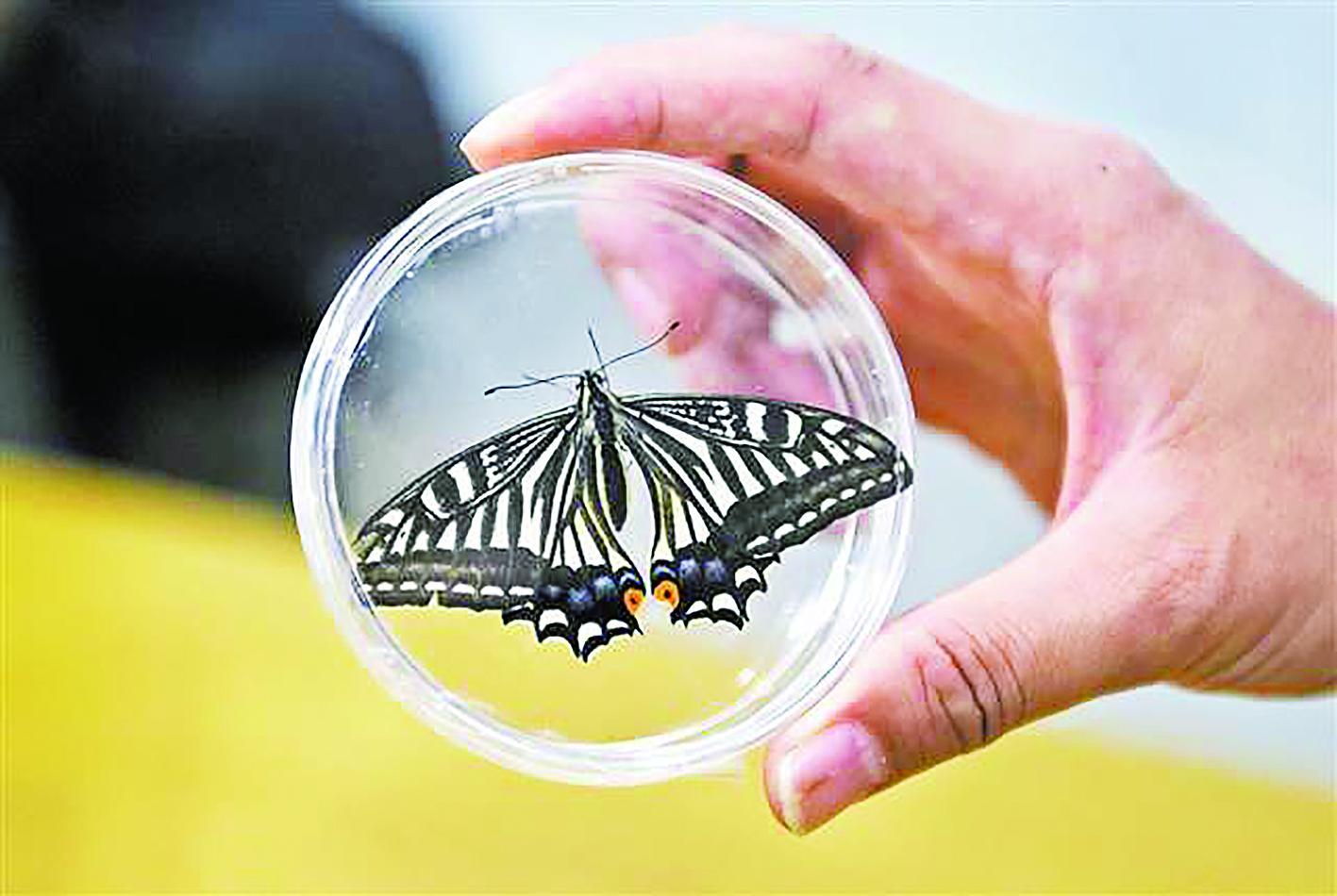
“太空蝴蝶”破蛹飞翔!重庆大学太空生命试验取得新进展
Zhong Guo Xin Wen Wang· 2026-02-03 01:25
Group 1 - The article discusses the performance and developments of a specific company or industry, highlighting key metrics and trends [1][2][3] - It mentions a growth rate of 4% in a particular segment, indicating positive momentum [3] - The report includes specific figures related to revenue or market share, emphasizing the financial health of the company or industry [1][2] Group 2 - The article outlines strategic initiatives or projects, such as "神农开物2号," which may impact future growth [2] - It provides insights into market conditions or competitive landscape that could influence the company's performance [1][3] - The analysis suggests potential opportunities for investment based on the current trends and data presented [1][2]
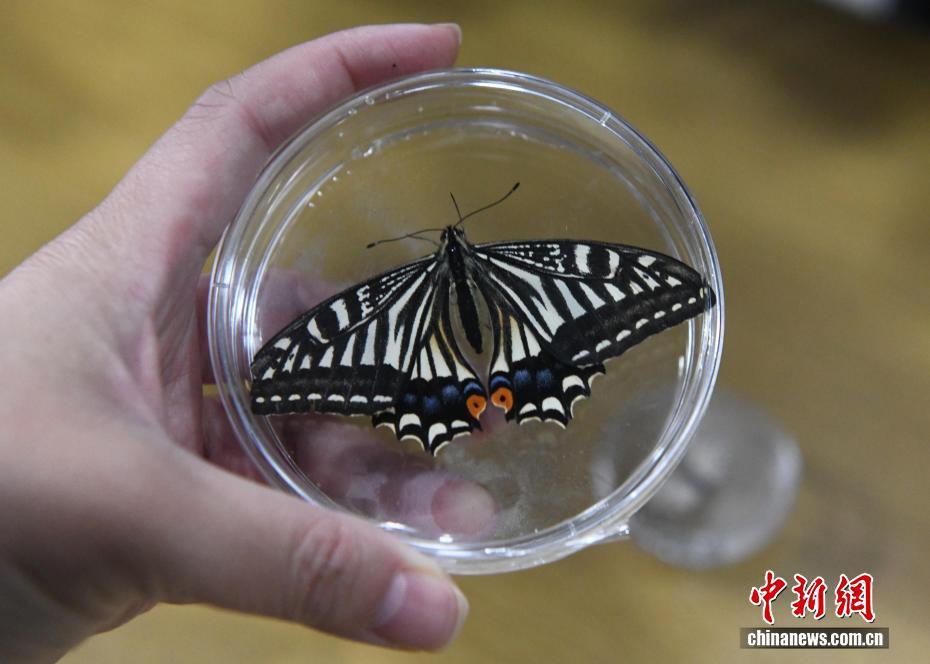
重庆大学太空生命试验取得新进展:“太空蝴蝶”破蛹飞翔
Xin Lang Cai Jing· 2026-02-02 12:49
Core Insights - The "Shennong Kaiwu No. 2" small space ecosystem experiment payload successfully launched and initiated its in-orbit testing, showcasing a butterfly emerging from its chrysalis in a microgravity environment [1][3] - This experiment represents a significant advancement in understanding the dynamic relationships between animals, plants, and microorganisms in a closed ecological system, contributing valuable data for future life support systems in deep space exploration [3] Group 1: Experiment Details - The payload, weighing only 8.3 kg and utilizing magnesium alloy materials, includes butterfly pupae, plant seeds, mature plants, and microorganisms, forming a self-sustaining ecosystem [1] - The successful emergence of the butterfly demonstrates the ability of complex organisms to complete critical life cycle stages in a closed, unassisted space environment [3] Group 2: Future Implications - The research team plans to monitor the behavior, life cycle, and the balance of gases, water, and nutrients within the micro-ecosystem, providing theoretical and technical parameters for future life support technologies [3] - This experiment marks a shift from previous space life science studies that primarily focused on plant cultivation and simpler organisms, thus advancing the research on the interrelationships among animals, plants, and microorganisms in space [3]
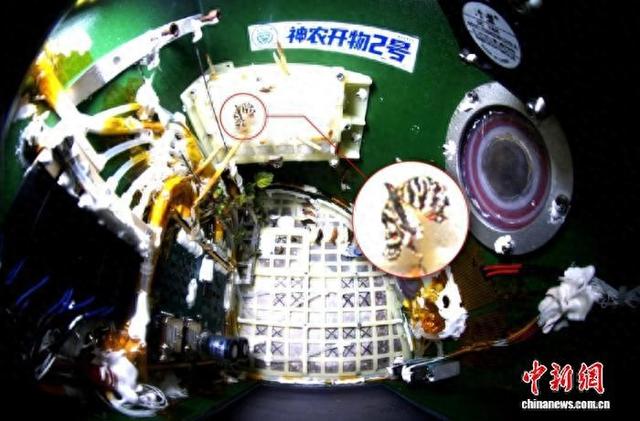
“太空蝴蝶”破蛹展翅验证地球生命韧性
Xin Hua She· 2026-02-02 12:39
Core Insights - A butterfly has successfully emerged from a cocoon in a small space ecological system developed by Chongqing University, marking a significant milestone in space biology research [1][3] Group 1: Experiment Overview - The "Shennong Kaiwu 2" small space ecological system was launched aboard the Kuaizhou-11 Yao-8 rocket on December 13, 2025, initiating its in-orbit testing mission [1] - Recent data from the Chongqing University research team indicates that the technical parameters such as pressure, temperature, and humidity within the closed cabin are stable and normal [1] Group 2: Technical Challenges and Innovations - The research team overcame technical challenges related to the corrosion of magnesium alloys in high humidity environments, creating a lightweight yet sturdy payload with a total mass of only 8.3 kilograms [3] - The design of the payload follows Earth's ecological cycle logic, establishing a complete prototype of a micro-ecological cycle [3] Group 3: Ecological System Functionality - The closed-loop system operates autonomously, where plants produce oxygen and food for the butterfly, while microorganisms efficiently process biological waste to maintain stable gas composition within the cabin [3] - The successful emergence of the butterfly in a microgravity environment demonstrates the resilience of Earth life and provides valuable insights for future deep space exploration life support technologies [3] Group 4: Future Research Directions - Future research will focus on in-orbit verification of structural endurance, component adaptability to space environments, and the long-term integrity of the closed cabin [3]
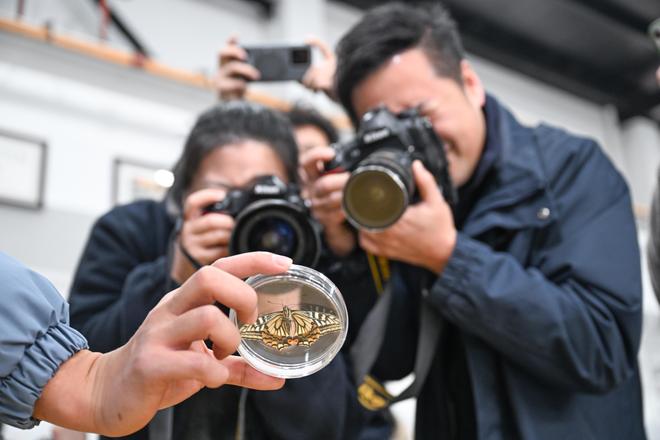
重庆大学“神农开物2号”在轨试验取得新进展
Xin Hua She· 2026-02-02 12:00
Core Viewpoint - A butterfly larva that was sent into space aboard the Kuaizhou-11 Yao-8 rocket has successfully hatched in a small space ecological system developed by a research team at Chongqing University [2]. Group 1 - The butterfly larva was part of the "Shennong Kaiwu 2" small space ecological system experiment [2]. - The successful hatching of the butterfly marks a significant achievement in space biology research [2].