禅茶

Search documents
近5000种“粤字号”土特产借高速路网走向全国
Zhong Guo Xin Wen Wang· 2026-01-16 13:46
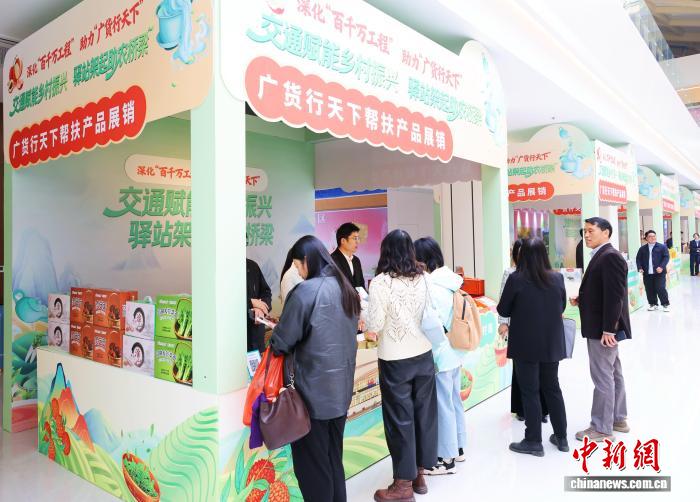
Core Viewpoint - The initiative to establish "Assist Farmers Stations" at highway service areas in Guangdong aims to promote nearly 5,000 local agricultural products nationwide, with a projected consumption assistance amount exceeding 166 million yuan by 2025 [1][3]. Group 1: Initiative and Impact - The "Assist Farmers Stations" were launched at the Wayaogang service area on the Guangsha Highway, facilitating the distribution of local products across the country [1]. - The initiative is part of a broader strategy to enhance rural income, support rural revitalization, and promote regional coordinated development [3][4]. Group 2: Infrastructure and Product Promotion - Since the upgrade of service areas began in September 2023, 225 service areas have been renovated to showcase Guangdong's cultural and agricultural products [3]. - Specific service areas have been designed to highlight unique local products, such as the "Zen Cloud Floating" cultural area focusing on specialty agricultural products like fragrant lychee and rice [3]. Group 3: Economic Model and Supply Chain - The initiative aims to transition from traditional agricultural projects to a "trunk economic" model, leveraging data from traffic and logistics to create immersive consumer experiences [3]. - Establishing stable production and sales relationships ensures a consistent supply of high-quality local products in service area showcases, promoting a direct supply chain from villages to service areas [3][4].

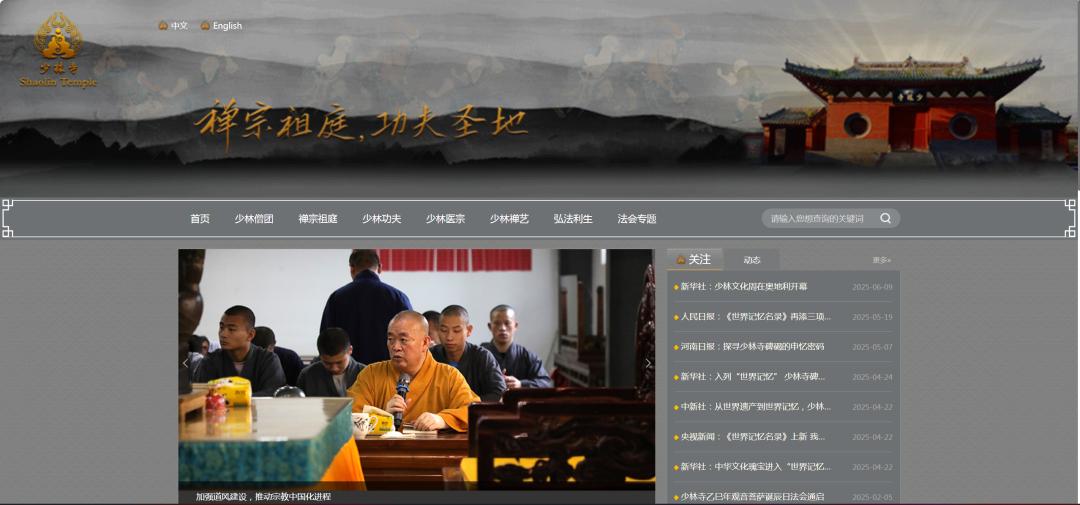
国内外买地的少林寺,为啥那么有钱?
3 6 Ke· 2025-07-30 03:02
Core Insights - Shaolin Temple has transformed from a traditional religious site into a significant commercial entity, with annual revenues exceeding 1 billion RMB [2][3][4] - The temple's commercial success is attributed to strategic branding and marketing initiatives led by Abbot Shi Yongxin, who recognized the commercial potential of the "Shaolin" brand [5][7][13] Group 1: Revenue Generation - Shaolin Temple attracts over 4.5 million visitors annually, generating ticket sales starting at 300 million RMB, with additional revenues from martial arts experiences and global performances [3][4] - The Shaolin Monk Troupe conducts over 200 performances worldwide each year, with total annual revenue reaching approximately 720 million RMB, of which 65% comes from overseas shows [17][19] - The temple has diversified its revenue streams through various products, including traditional medicine and food items, achieving sales of 60 million RMB for its "Shaolin Active Ointment" alone [18][19] Group 2: Branding and Marketing Strategy - The temple has registered over 700 trademarks across 45 categories, including martial arts training and food products, establishing a robust brand presence [7][23] - Shaolin Temple was an early adopter of digital marketing, launching one of the first temple websites in China in 1997, which significantly increased its visibility and revenue from overseas performances [9][12] - The temple has leveraged social media platforms, amassing over 20 million followers across various accounts, generating substantial advertising revenue and promoting its products [19][23] Group 3: Capital Operations - Shaolin Temple has engaged in real estate investments, including a notable acquisition of commercial land in Zhengzhou, indicating a strategic move into property development [20][22] - The temple's capital management is facilitated through the "Henan Shaolin Intangible Asset Management Company," which plays a crucial role in its commercial operations [22][24] - The temple has established cultural centers in over 50 countries, operating on a membership basis, which not only generates stable income but also promotes the Shaolin brand internationally [23][24] Group 4: Controversies and Challenges - The temple faces criticism regarding the commercialization of religious practices, particularly concerning high-priced offerings like the "Supreme Blessing Plaque" [26][28] - There are ongoing concerns about financial transparency and the management of funds, with allegations of unclear financial practices and potential conflicts of interest involving Abbot Shi Yongxin [29][30] - The juxtaposition of commercial success and religious integrity has led to public scrutiny, questioning the temple's adherence to its spiritual mission amidst its business ventures [24][31]