穗腾OS

Search documents
【广货行天下】穗腾OS:为轨道交通装上最强“智慧大脑”
Xin Lang Cai Jing· 2026-02-19 01:27
Core Insights - The article discusses the innovative "SuiTeng OS," a smart platform for urban rail transit developed by Guangzhou Metro in collaboration with Tencent, which aims to enhance operational capabilities and passenger services through advanced technologies like IoT, big data, and AI [1] Group 1: Smart Transit Features - The SuiTeng OS enables features such as seamless gate passage, rapid smart security checks, and intelligent crowd management on Guangzhou Metro lines 18 and 22, showcasing its role in transforming public transport services from mass to personalized [2] - The platform integrates various subsystems and devices within the metro, allowing staff to manage operations through a user-friendly interface, thus enabling the metro system to evolve autonomously [2] Group 2: Technological Advancements - The SuiTeng OS has undergone significant upgrades, with version 2.0 enhancing capabilities in efficient device connectivity, flexible process orchestration, integrated data processing, and comprehensive algorithm training, which are crucial for modern transit operations [3] - The system has been implemented across multiple metro lines, focusing on six key digital business scenarios, including passenger services, station management, intelligent operations, security, energy efficiency, and coordinated dispatch [3] Group 3: Emergency Response and Efficiency - In response to flooding challenges in Guangdong, the SuiTeng OS facilitated the rapid development and deployment of smart flood prevention applications, reducing the development cycle by 75% [3] - The system allows real-time monitoring of critical data from various operational systems, enabling efficient emergency responses, such as automated alerts and coordinated evacuations when water levels reach warning thresholds [4] - The introduction of digital technologies has significantly reduced the time required for operational tasks, such as the activation of escalators, from one hour to just ten minutes through smart surveillance and control systems [4]

穗腾OS:为轨道交通装上最强“智慧大脑”
Xin Lang Cai Jing· 2026-02-19 00:29
Core Viewpoint - The article highlights the launch of the innovative integrated smart platform "SuiTeng OS" by Guangzhou Metro in collaboration with Tencent, which aims to redefine the future of "smart subways" through advanced technologies like IoT, big data, and AI [1][3]. Group 1: Smart Transportation Features - SuiTeng OS enables features such as contactless ticketing, rapid smart security checks, and intelligent passenger flow management, enhancing the overall passenger experience on lines like the Guangzhou Metro Line 18 and 22 [1]. - The platform has transformed the role of urban rail transit from a mass service tool to a personalized service provider, showcasing its capabilities in smart security, passenger guidance, and station management [1][2]. Group 2: Technological Advancements - The SuiTeng OS 2.0 version, launched in 2021, offers significant upgrades over its predecessor, including efficient device connectivity, flexible process orchestration, integrated data processing, and comprehensive algorithm training capabilities [3]. - The system has been implemented across multiple lines, including Lines 3, 7, 11, 18, and 22, focusing on six key digital business scenarios: passenger services, station management, intelligent operations, security, energy management, and dispatch coordination [3]. Group 3: Emergency Response and Efficiency - In response to flooding challenges in Guangdong, the Guangzhou Metro Group developed a smart flood prevention application based on SuiTeng OS, completing the development and testing in just three weeks, a 75% reduction in the typical development cycle [3]. - The application allows real-time monitoring of various systems and enables efficient emergency response, such as automatic alerts and coordinated actions to guide passengers during emergencies [4].
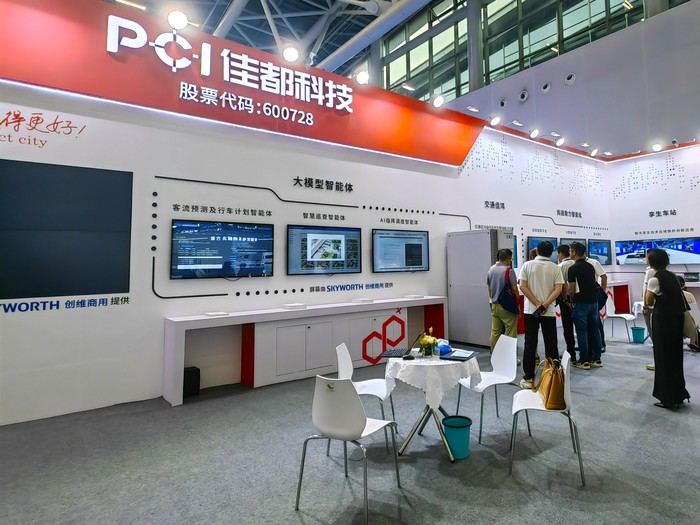
鸿蒙“交通版”来了,这家广州公司要突破交通操作系统的国际垄断
Xin Lang Cai Jing· 2025-09-11 01:31
Core Viewpoint - The article discusses the progress of "Jiaotong Jiahong," a domestic operating system for transportation, which aims to replace foreign systems and enhance interoperability among various devices in the transportation sector [1][5]. Group 1: Development of Domestic Operating Systems - "Jiaotong Jiahong" is currently in the pilot phase, starting with a specific subway station project, marking the first research project in urban rail transit based on the open-source HarmonyOS [1]. - Historically, China's transportation infrastructure has relied heavily on foreign technologies, with key systems like automatic train monitoring and ticketing systems depending on foreign vendors such as Oracle and Windows/Linux [3]. - The "14th Five-Year Plan" emphasizes the need for developing foundational technology platforms and key components to achieve self-control and industrialization in the transportation sector [5]. Group 2: Features and Advantages of "Jiaotong Jiahong" - The system is designed to break the monopoly of foreign operating systems like Windows and Linux, facilitating better data interaction and backend control among different devices [1][5]. - "Jiaotong Jiahong" can connect various devices and enable autonomous interconnectivity, addressing the current pain points in the transportation industry where different protocols hinder interoperability [6]. - The system aims to enable features like "contactless entry" for passengers, allowing devices to communicate directly without the need for scanning [6]. Group 3: Financial Performance and Market Expansion - In the first half of the year, the company reported a revenue of 4.919 billion yuan, a year-on-year increase of 65.22%, and a net profit of 135 million yuan, indicating a turnaround from losses [8]. - The company is expanding its market presence in Southeast Asia and the Middle East, leveraging Hong Kong as a strategic hub for international market entry [10]. - The company plans to establish a joint technology innovation center in Hong Kong to facilitate cooperation with governments and enterprises in the Middle East [9].