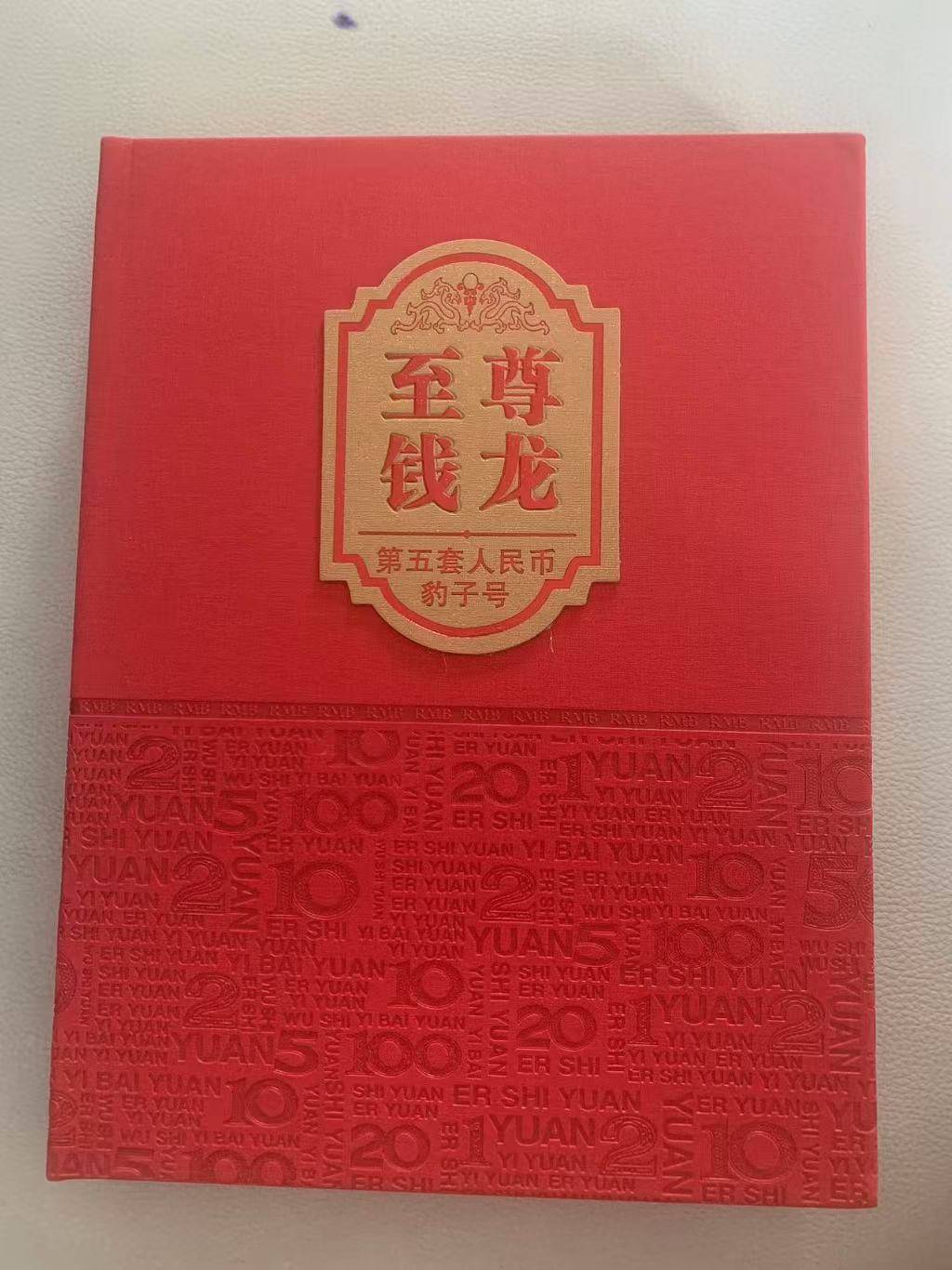
第五套人民币

Search documents
邮储银行登封市支行积极开展反假货币宣传
Huan Qiu Wang· 2026-02-26 04:21
Core Viewpoint - The article highlights the efforts of Postal Savings Bank's Dengfeng branch to combat counterfeit currency during the busy Spring Festival period by conducting comprehensive anti-counterfeiting campaigns aimed at educating the public on recognizing fake banknotes [1][2] Group 1: Anti-Counterfeiting Campaign - The Dengfeng branch organized a promotional team to engage with the public in crowded areas such as farmers' markets and shopping centers, focusing on vulnerable groups like the elderly and small merchants who frequently deal in cash [1] - Staff provided hands-on demonstrations comparing real and counterfeit banknotes, addressing the issues of low identification skills and insufficient awareness among key demographics [1] Group 2: Innovative Promotion Strategies - The branch adopted a combined "on-site promotion + centralized lectures" and "online + offline" approach to enhance the reach and effectiveness of the campaign, incorporating local cultural elements into the promotional activities [2] - Interactive promotional areas were set up in business outlets, featuring anti-counterfeiting brochures and posters, while staff actively engaged with customers to disseminate knowledge and answer questions [2] Group 3: Community Engagement and Future Plans - A fun activity was introduced where participants could answer questions about the anti-counterfeiting features of the fifth set of RMB to win Spring Festival couplets, merging anti-counterfeiting education with cultural festivities [2] - The branch plans to establish a long-term mechanism for anti-counterfeiting education, ensuring ongoing targeted promotions to protect public financial security and contribute to financial stability during festive periods [2]

人民币上除了印着主席头像,还有另一个人的名字,他是谁?
Sou Hu Cai Jing· 2026-02-25 09:20
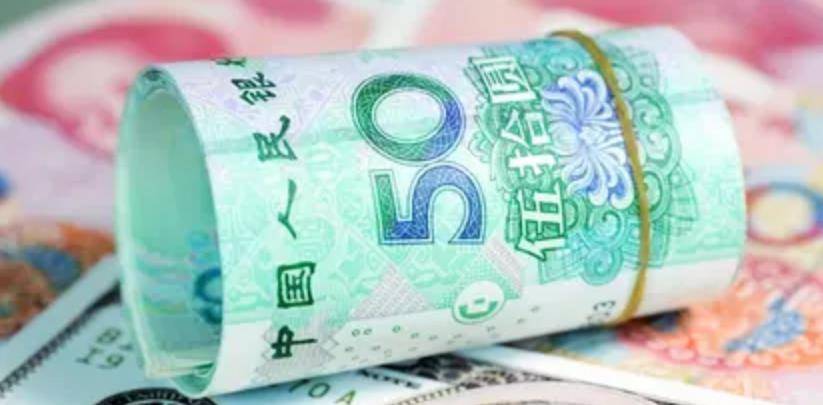
Group 1 - The allure of the Renminbi is undeniable, representing wealth and power in daily life, and is essential for various aspects such as purchasing cars and homes [1] - The history of currency dates back to ancient times, with the first forms of currency being shells and knives, evolving to paper money during the Northern Song Dynasty [3] - Different countries have unique currencies that reflect their cultural heritage, with notable examples including the Yuan Shikai coin in China and the British pound featuring the Queen's portrait [5] Group 2 - China's currency has undergone multiple reforms, starting from the Qin Dynasty's unification of currency, with significant changes occurring after the establishment of the People's Republic of China [7] - The first set of Renminbi was issued on December 1, 1948, and although it was withdrawn from circulation within five years, it holds high collectible value [7] - The fifth set of Renminbi features a design by Zhao Qiming, whose artistic contributions have elevated the aesthetic value of the currency [7][9]

至尊钱龙,第五套人民币豹子号
Sou Hu Cai Jing· 2025-12-18 04:42
Core Viewpoint - The "Supreme Money Dragon" collection of the fifth set of Renminbi represents a unique blend of modern printing technology, traditional auspicious culture, and the concept of scarcity in the currency collection market, reflecting contemporary China's understanding and elevation of monetary culture [1][4][6]. Group 1: Historical Context - The issuance and circulation of the fifth set of Renminbi coincided with a period of rapid national strength and an increasingly sophisticated financial system in China [1]. - The design and anti-counterfeiting technology upgrades mark the advancement of China's currency printing and minting industry to a world-class level [1][3]. Group 2: Cultural Significance - The "豹子号" (Leopard Number) concept, derived from the unique serial numbers of banknotes, symbolizes order, harmony, and completeness, resonating with traditional Chinese cultural values [4]. - Numbers like "6," "8," and "9" carry auspicious meanings, representing good wishes such as smoothness, wealth, and longevity [4]. Group 3: Collection Value - The collection is built on a multi-dimensional value system, including its status as legal tender, the rarity of the special serial numbers, cultural added value, and historical significance [6]. - The rarity of collecting a complete set of banknotes with identical last three digits in perfect condition is a key factor in determining its collectible value [6]. Group 4: Market Outlook - The "Supreme Money Dragon" collection has elements supporting its value growth, such as the gradual phasing out of certain early versions of the fifth set of Renminbi and the increasing difficulty of collecting complete sets over time [8]. - The demand for culturally rich and scarce currency collectibles is likely to persist, driven by diversified cultural consumption and asset allocation needs [8]. Group 5: Conclusion - The "Supreme Money Dragon" collection is a product of the intersection of modern printing technology, traditional auspicious culture, and contemporary collection concepts, embodying both the hard power of national financial technology and the soft cultural heritage of the nation [9].