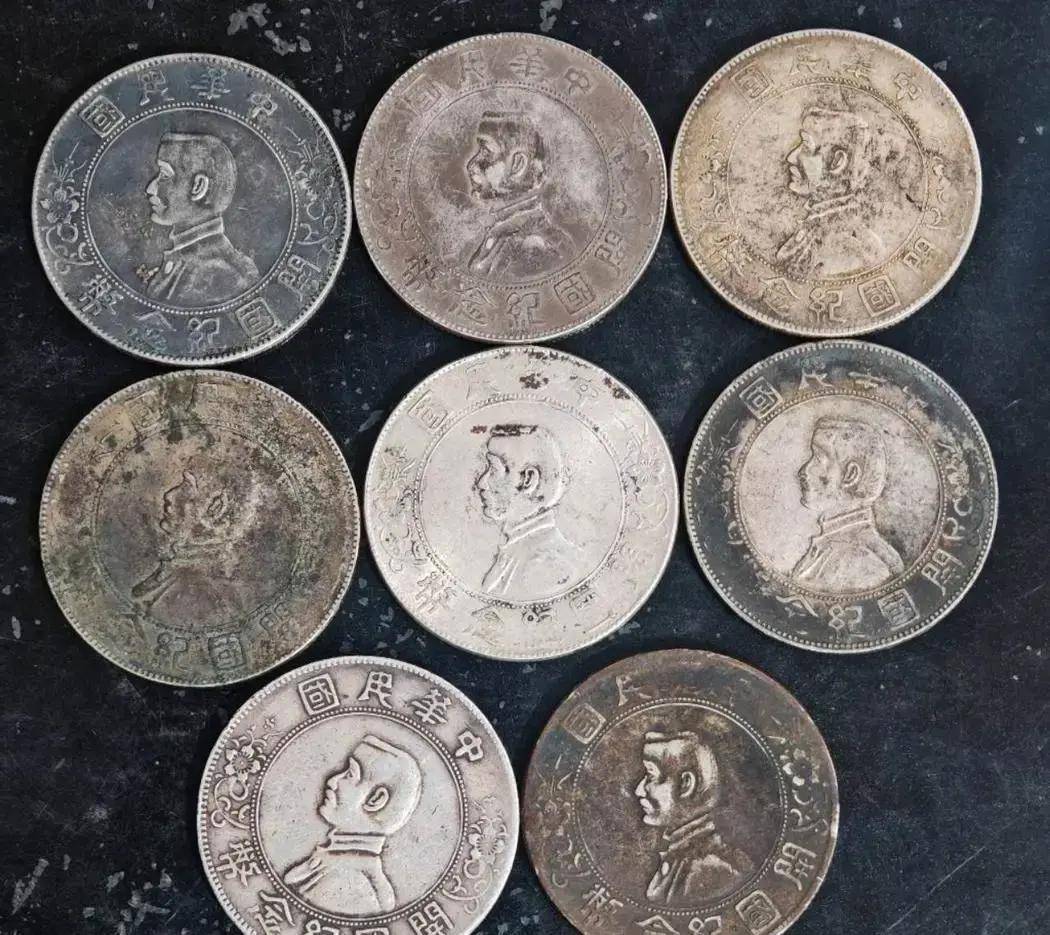
袁大头

Search documents
人民币上除了印着主席头像,还有另一个人的名字,他是谁?
Sou Hu Cai Jing· 2026-02-25 09:20
Group 1 - The allure of the Renminbi is undeniable, representing wealth and power in daily life, and is essential for various aspects such as purchasing cars and homes [1] - The history of currency dates back to ancient times, with the first forms of currency being shells and knives, evolving to paper money during the Northern Song Dynasty [3] - Different countries have unique currencies that reflect their cultural heritage, with notable examples including the Yuan Shikai coin in China and the British pound featuring the Queen's portrait [5] Group 2 - China's currency has undergone multiple reforms, starting from the Qin Dynasty's unification of currency, with significant changes occurring after the establishment of the People's Republic of China [7] - The first set of Renminbi was issued on December 1, 1948, and although it was withdrawn from circulation within five years, it holds high collectible value [7] - The fifth set of Renminbi features a design by Zhao Qiming, whose artistic contributions have elevated the aesthetic value of the currency [7][9]

银价暴涨!老银元飙至850元,袁大头能否破纪录?
Sou Hu Cai Jing· 2026-02-10 23:43
Core Viewpoint - The recent surge in silver prices has positively impacted the market for old silver coins, with significant price increases observed across various types of coins [1] Group 1: Price Trends - The price of small head silver coins has risen from around 500 to 700 yuan, with better quality examples reaching up to 850 yuan [3] - The price of the Yuan Shikai dollar (袁大头) has rebounded from a low of 1000 yuan to 1200 yuan, with certain rare years priced between 1100 and 4500 yuan [3] - The market for "ship dollars" has seen values soar, with some versions now worth tens of thousands to hundreds of thousands of yuan [5] Group 2: Collectible Categories - The "Dragon" series, including both local and Beiyang dragons, remains popular, with early versions being particularly sought after due to their rarity [5] - The Sichuan silver coins have expanded their market reach, maintaining strong prices despite some types dropping below 10,000 yuan [7] - The 1926 Tianjin-made dragon and phoenix one-jiao coin is highly valued due to its limited availability, with fewer than 2000 pieces in existence [9] Group 3: Market Dynamics - Foreign silver coins have seen a decline in popularity compared to domestic coins, with many being sold at silver material prices [9] - The Guangdong silver coins, while historically significant, have also seen price increases but are categorized as having a market with limited demand [11] - The allure of silver coins lies in their dual nature as both metal and historical artifacts, prompting collectors to weigh the benefits of investing in stable common coins versus rare high-value coins [13]
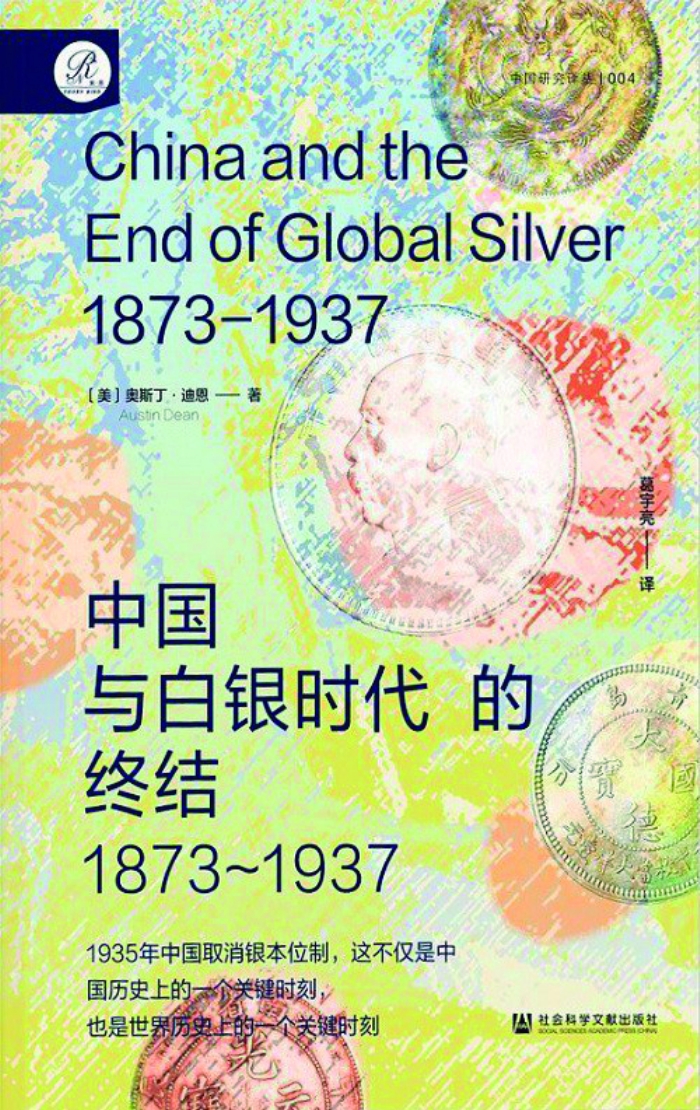
白银:中国近代货币变革的缩影——读《中国与白银时代的终结,1873~1937》
Shang Hai Zheng Quan Bao· 2025-06-08 18:07
Core Viewpoint - The end of the silver standard in China in 1935 marked a significant moment in both Chinese and global history, reflecting the complexities of monetary reform and foreign influence on China's currency system [2][5][12]. Group 1: Historical Context - In the late 19th century, China was the last major country to use a silver standard, facing issues such as a chaotic currency system and the dominance of foreign currencies [5][12]. - The influx of foreign silver coins and the lack of a unified standard led to significant confusion in transactions, described as a "battle of wits" [6][7]. Group 2: Attempts at Reform - Various attempts were made to reform the silver currency system, including the introduction of the "Dragon Dollar" by Zhang Zhidong, which ultimately failed due to quality issues [8][9]. - The 1911 revolution and subsequent advocacy for a currency revolution aimed to replace silver with paper currency, aligning with global trends [9][10]. Group 3: International Influence - The international landscape, particularly post-World War I, saw a shift in power dynamics, with the U.S. emerging as a significant influence on China's monetary policy [13][14]. - Foreign banks issued their own currencies in China, complicating the local currency situation and undermining China's monetary sovereignty [12][13]. Group 4: The Decline of Silver - By the early 1930s, despite a theoretical surplus of silver, China faced a severe "money shortage," exacerbated by international pressures and domestic instability [14]. - The final abandonment of the silver standard in 1935 in favor of government-controlled currency marked the end of an era for China's monetary system [14].