
粗杂粮

Search documents
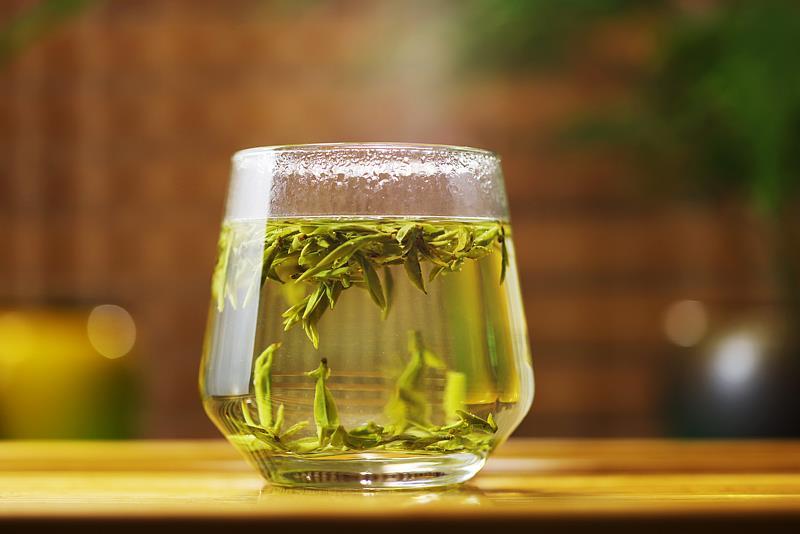
吃太油 喝茶解腻靠谱吗?这份“春节饮食指导”请收好→
Yang Shi Xin Wen· 2026-02-18 03:16
Core Viewpoint - The notion that drinking tea can "remove oil" from the body after consuming fatty foods is scientifically unfounded, and effective weight management requires a holistic approach involving dietary changes and exercise [2][22][24]. Group 1: Misconceptions about Tea and Fat - Many individuals believe that drinking tea can help break down fat or inhibit fat absorption, but tea primarily consists of water and does not possess these properties [5][9]. - Drinking tea after meals does not affect the amount of food consumed, as it does not occupy stomach capacity effectively when consumed post-meal [5][10]. Group 2: Nutritional Components of Tea - Tea contains catechins, caffeine, and minimal vitamins and minerals, which have health benefits but do not significantly impact fat digestion or absorption [7][9]. - While some studies suggest that caffeine and green tea extracts can promote fat oxidation, these findings are primarily based on athletic populations and not applicable to the general public [9]. Group 3: Effective Dietary Strategies - To effectively manage fat intake, individuals should focus on consuming more dietary fiber through fresh fruits and vegetables, which can slow down fat absorption [18][19]. - Replacing refined grains with whole grains can also help reduce fat absorption while providing essential B vitamins for metabolism [19]. - Opting for lighter, less processed foods can minimize fat intake and promote healthier eating habits [21]. Group 4: Conclusion on Fat Management - The key to managing fat accumulation lies in reducing fat intake and increasing physical activity, rather than relying on tea or other quick fixes [22].

“一村一业”激活乡村振兴“一池春水”
Qi Lu Wan Bao· 2025-11-21 12:28
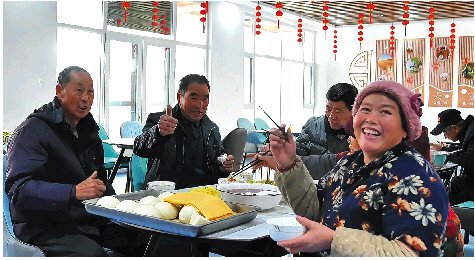
Core Insights - The articles highlight the development of rural areas in China through various initiatives focusing on industry integration, cultural empowerment, and sustainable growth [2][3][4][5][6] Group 1: Industry Development - Xinzhang Street in Steel District is enhancing rural industry by integrating production, construction, and cultural characteristics, aiming for a sustainable development path with expected collective income of 1.6 million yuan by 2025 [2] - Qiaodian Village is leveraging its geographical advantages to establish a cooperative for planting and processing, with a projected collective income of 1.5 million yuan by 2025 [3] - Dagou Village has transformed into a popular tourist destination, attracting over 80,000 visitors annually and developing various agricultural products to enhance collective economy [4][5] - Liu Xiangquan Village is creating the "Xiangquan Fang" agricultural brand, with an expected annual collective income of 200,000 yuan and online sales projected to exceed 500,000 yuan by 2025 [6] Group 2: Cultural Empowerment - Down Chen Village is focusing on cultural revitalization by establishing multiple exhibition halls and promoting local cultural heritage, which strengthens community ties and governance [2] - Dagou Village promotes traditional culture through the establishment of cultural centers and events, enhancing community engagement and tourism [4] - Liu Xiangquan Village emphasizes community governance through a points-based system, fostering a sense of responsibility and participation among residents [6] Group 3: Governance and Community Engagement - Xinzhang Village has implemented a three-tier management network to enhance governance and community cohesion, recognized as a "five-star village party organization" [2] - Qiaodian Village has built a digital management platform to improve community services and governance efficiency [3] - Liu Xiangquan Village has achieved a high level of community participation, with 95% of families scoring above 80 points in the governance system, leading to a reduction in grievances [6]
以为会发胖,实际很减肥的6个行为,别再误解它们了!
Yang Shi Xin Wen· 2025-07-31 19:54
Core Insights - The article emphasizes that weight loss requires persistence but can be enhanced with specific strategies, including the consumption of protein-rich foods and healthy snacks, while avoiding strict carbohydrate restrictions. Group 1: Protein Consumption - Incorporating meat, particularly lean options like chicken and fish, is beneficial as it provides high-quality protein, iron, and vitamin B12, which are less available in plant-based foods [1] - Protein digestion consumes more energy compared to carbohydrates and fats, leading to a higher caloric burn [1] - Maintaining a high-protein diet during weight loss helps prevent muscle loss and supports metabolic rate [1] Group 2: Healthy Snacking - Healthy snacks, such as fresh fruits, vegetables, and low-sugar dairy products, can help regulate blood sugar and lipid levels without contributing to weight gain [3][4] - Planning snacks around meals can help control overall caloric intake, allowing for reduced portions during main meals [6] - Recommended snack portions include one apple, a small cup of yogurt, or a handful of nuts [6] Group 3: Carbohydrate Management - Avoiding strict carbohydrate elimination is advised, as moderate intake of whole grains can stabilize appetite and prevent binge eating [7] - Choosing minimally processed carbohydrates retains essential nutrients and fiber, which are beneficial for health [8] Group 4: Beverage Choices - Drinking tea or low-calorie coffee can enhance weight loss effects and provide additional health benefits [9][10] - It is recommended to consume these beverages before meals and avoid them close to bedtime to prevent sleep disturbances [11] Group 5: Sleep Importance - Adequate sleep is crucial for weight management, as it regulates appetite hormones and supports muscle growth [12][13] - Establishing a consistent sleep schedule and avoiding excessive sleep can help maintain metabolic health [14] Group 6: Post-Exercise Nutrition - Consuming carbohydrates and quality protein shortly after exercise is essential to prevent muscle loss and stabilize blood sugar levels [15] - Post-workout meals should be planned to avoid excessive caloric intake, ensuring overall energy balance [16][17]