健康减肥

Search documents
女子为当伴娘暴瘦30斤成糖尿病前期
Xin Lang Cai Jing· 2026-01-18 09:08
Core Viewpoint - A 26-year-old woman experienced severe health issues after losing 30 pounds in two months through extreme dieting and excessive exercise, leading to a pre-diabetic condition [1] Group 1: Health Risks - The woman initially felt excited about her weight loss but soon faced symptoms like fatigue, constant hunger, excessive thirst, dizziness, and palpitations [1] - Medical examination revealed that her extreme weight loss methods caused insulin secretion disorders, significant muscle and water loss, and severely impaired metabolism [1] Group 2: Weight Loss Methods - The woman adopted a diet that almost completely eliminated carbohydrate intake, consuming only small amounts of vegetables and chicken breast [1] - She engaged in high-intensity exercise, sometimes running over 10 kilometers a day [1] Group 3: Expert Advice - Doctors emphasized that healthy weight loss should not be merely about "eating less and moving more," but rather about establishing a sustainable healthy lifestyle [1]
国家级减肥指南重磅发布!体重达到这个标准,健康长寿到90岁指日可待!
GLP1减重宝典· 2025-11-20 14:44
Core Viewpoint - The article emphasizes the importance of weight management as part of the "Healthy China 2030" strategy, highlighting that maintaining stable body weight is linked to longevity and overall health [2][28]. Group 1: Research Findings - A study published in the Journal of Gerontology indicates that women who maintain stable body weight are more likely to live to 90 years or older [7][9]. - The research included 54,437 women aged 61 to 81, measuring their weight at baseline, 3 years, and 10 years [8]. - Among the participants, 30,647 women (56%) lived to at least 90 years, with those maintaining stable weight having a 1.2 to 2 times higher chance of longevity compared to those who lost 5% or more of their weight [9]. Group 2: Weight Management Guidelines - The National Health Commission has initiated a three-year action plan for weight management, aiming to enhance public awareness and skills related to weight management by 2026, with a target of reducing the annual obesity rate increase by 10% [28][30]. - The article outlines that a balanced diet and increased physical activity are fundamental for effective weight loss, recommending a gradual weight reduction of 5% to 10% over six months [15][20]. - Specific dietary recommendations include prioritizing whole grains, lean proteins, low-fat dairy, and a variety of fresh fruits and vegetables while controlling total caloric intake [18][20].


假期多地将迎降温天,听专家为秋季健康“支招”
Xin Hua Wang· 2025-10-02 09:15
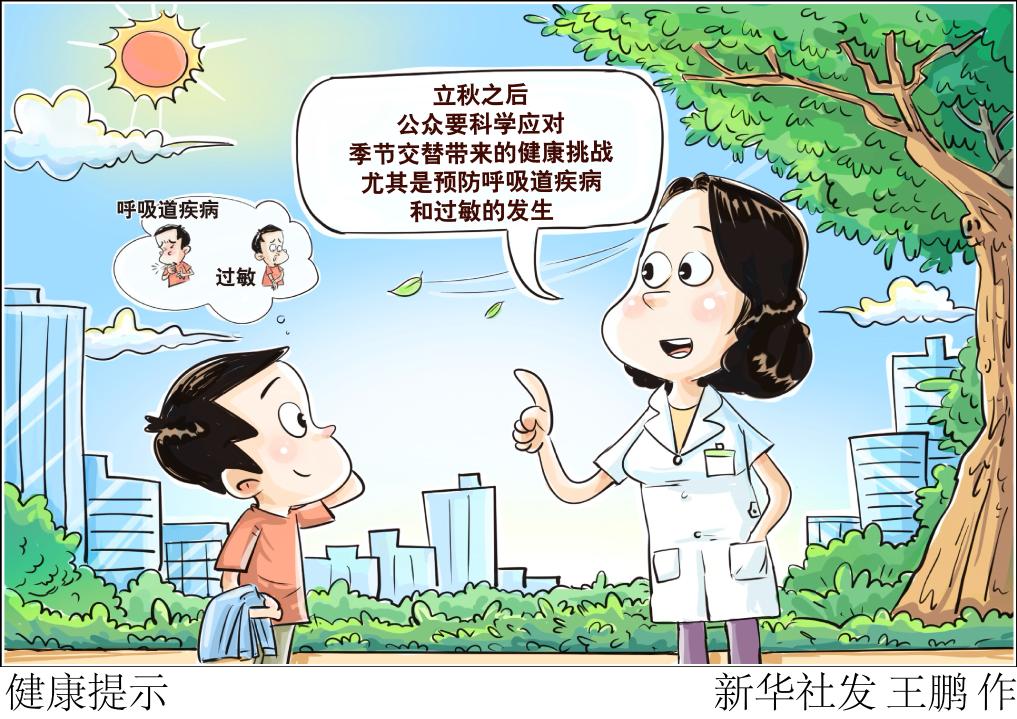
Group 1 - The article highlights the increased prevalence of respiratory diseases in children during autumn due to fluctuating temperatures and dry air, which weaken their respiratory defenses [2][4] - Experts recommend that parents dress children appropriately for temperature changes, enhance their immunity through a nutritious diet, and maintain good ventilation in living spaces to reduce pathogen concentration [4] Group 2 - The article discusses the rise in coronary heart disease cases during autumn, attributed to lower temperatures and increased blood viscosity, which can lead to cardiovascular issues [5] - Typical symptoms of coronary heart disease include chest discomfort and shortness of breath, with severe cases potentially leading to acute myocardial infarction [5] - Preventive measures include maintaining warmth, a balanced diet, emotional stability, and regular medication for high-risk individuals [5] Group 3 - The article addresses common misconceptions about weight loss during festive seasons, warning against extreme dietary restrictions that can lead to negative health effects [6][8] - Experts advise maintaining a balanced diet with regular meals, including whole grains, proteins, and healthy fats, while controlling overall caloric intake [8]
以为会发胖,实际很减肥的6个行为,别再误解它们了!
Yang Shi Xin Wen· 2025-07-31 19:54
Core Insights - The article emphasizes that weight loss requires persistence but can be enhanced with specific strategies, including the consumption of protein-rich foods and healthy snacks, while avoiding strict carbohydrate restrictions. Group 1: Protein Consumption - Incorporating meat, particularly lean options like chicken and fish, is beneficial as it provides high-quality protein, iron, and vitamin B12, which are less available in plant-based foods [1] - Protein digestion consumes more energy compared to carbohydrates and fats, leading to a higher caloric burn [1] - Maintaining a high-protein diet during weight loss helps prevent muscle loss and supports metabolic rate [1] Group 2: Healthy Snacking - Healthy snacks, such as fresh fruits, vegetables, and low-sugar dairy products, can help regulate blood sugar and lipid levels without contributing to weight gain [3][4] - Planning snacks around meals can help control overall caloric intake, allowing for reduced portions during main meals [6] - Recommended snack portions include one apple, a small cup of yogurt, or a handful of nuts [6] Group 3: Carbohydrate Management - Avoiding strict carbohydrate elimination is advised, as moderate intake of whole grains can stabilize appetite and prevent binge eating [7] - Choosing minimally processed carbohydrates retains essential nutrients and fiber, which are beneficial for health [8] Group 4: Beverage Choices - Drinking tea or low-calorie coffee can enhance weight loss effects and provide additional health benefits [9][10] - It is recommended to consume these beverages before meals and avoid them close to bedtime to prevent sleep disturbances [11] Group 5: Sleep Importance - Adequate sleep is crucial for weight management, as it regulates appetite hormones and supports muscle growth [12][13] - Establishing a consistent sleep schedule and avoiding excessive sleep can help maintain metabolic health [14] Group 6: Post-Exercise Nutrition - Consuming carbohydrates and quality protein shortly after exercise is essential to prevent muscle loss and stabilize blood sugar levels [15] - Post-workout meals should be planned to avoid excessive caloric intake, ensuring overall energy balance [16][17]
国家版减肥指南来啦!把体重控制在这个范围内,活到90岁不是梦!
GLP1减重宝典· 2025-06-01 05:16
Core Viewpoint - Maintaining stable body weight is associated with increased longevity, particularly among older women, as evidenced by a study published in the "Journal of Gerontology" which indicates that those who keep their weight stable have a higher likelihood of living to 90 years or older [7]. Group 1: Importance of Weight Stability - A study involving 54,437 women aged 61 to 81 found that 56% lived to at least 90 years old, with those maintaining stable weight having a 1.2 to 2 times higher chance of longevity compared to those who lost 5% or more of their body weight [7]. - Weight gain of 5% or more showed no significant correlation with longevity [7]. Group 2: Understanding Obesity - Obesity is influenced by various factors including genetics, diet, physical activity, lifestyle, and social environment [9]. - Body Mass Index (BMI) is a common tool for assessing weight status, with healthy adults having a BMI between 18.5 and 24, overweight classified as 24 to 28, and obesity at 28 or above [9]. Group 3: Weight Management Strategies - Effective weight loss strategies should focus on dietary control and increased physical activity, with a recommended gradual weight loss of 5% to 10% over six months [11]. - The National Health Commission has released guidelines for healthy eating to support weight management, emphasizing the importance of balanced nutrition [11][12]. Group 4: Dietary Recommendations - Suggested dietary practices include prioritizing whole grains, lean proteins, low-fat dairy, and a variety of fresh fruits and vegetables while controlling sugar and starch intake [14]. - Daily caloric intake should be adjusted based on individual needs, with recommendations for men to consume 1,200 to 1,500 kcal and women 1,000 to 1,200 kcal [15].

国家出手了!减重秘籍大揭秘,全是硬核干货!
GLP1减重宝典· 2025-05-16 02:15
Core Viewpoint - The article emphasizes the increasing prevalence of overweight and obesity in China, predicting that by 2030, the rates will reach 70.5% for adults and 31.8% for children if not effectively controlled [5] Group 1: Weight Management Guidelines - The National Health Commission has released the "Weight Management Guidelines (2024 Edition)" to promote healthy weight management practices [5] - The guidelines highlight the importance of seeking professional medical help for individuals with significant weight issues or chronic diseases [5] Group 2: Understanding Overweight and Obesity - Overweight and obesity are influenced by various factors including genetics, diet, physical activity, lifestyle, and social environment [7] - Body Mass Index (BMI) is a key indicator for assessing weight status, with a normal range of 18.5 to 24 for healthy adults in China [7] Group 3: Healthy Eating for Weight Loss - The "Adult Obesity Dietary Guidelines (2024 Edition)" provides detailed instructions for healthy weight loss, including region-specific dietary examples [9] - Recommended foods include whole grains, fresh fruits and vegetables, lean meats, and low-fat dairy products [10] Group 4: Foods to Avoid - High-calorie foods such as fried items, sugary pastries, and fatty meats should be minimized during weight loss efforts [12] - Daily salt intake should be limited to 5 grams, cooking oil to 20-25 grams, and added sugars to less than 25 grams [12] Group 5: Daily Caloric Intake Recommendations - A reduction of 30% to 50% in daily caloric intake is suggested, with specific caloric recommendations for men (1200-1500 kcal) and women (1000-1200 kcal) [13] - Ideal body weight can be calculated using height and a specific caloric intake formula based on activity levels [13] Group 6: Key Points for Scientific Weight Loss - The recommended macronutrient distribution is 20%-30% fats, 15%-20% proteins, and 50%-60% carbohydrates [14] - Regular meal timing and portion control are emphasized, with specific recommendations for meal timing [15][17] Group 7: Additional Weight Loss Techniques - Adequate sleep (around 7 hours) is crucial for preventing metabolic disorders associated with obesity [19] - Regular physical activity is essential, with recommendations for aerobic and resistance training to support weight loss [20]