纳斯达克上市辅导服务

Search documents
美国纳斯达克证券交易所上市指南
Sou Hu Cai Jing· 2026-02-04 02:33
纳斯达克(NASDAQ)作为全球最大的股票电子交易市场之一,自1971年成立以来,一直是全球金融市场的重要组成部分。它不仅是全球经济的风向标, 更是众多企业迈向国际资本市场的重要跳板。凭借其对高新技术产业的包容性、灵活的上市条以及强大的市场影响力,纳斯达克吸引了来自世界各地的企业 和投资者。 2024年美股市场在IPO数量和募资规模上均取得了显著增长。据Golden Brilliance Capital Limited统计:2024年全年,美股市场共有239只新股完成IPO上市, 累计募集资金约为381亿美元。其中,共有62家中概股企业成功发行上市,占总上市新股数量的26%;累计募资额达到45.41亿美元,占总募资额的12%。无 论是上市数量还是募资规模,2024年中概股的表现均远超去年同期。 美国纳斯达克证券交易所上市指南151-0151-3603 一、纳斯达克发行条件 纳斯达克根据企业的规模和财务状况,将市场分为三个层次:纳斯达克全球精选市场、纳斯达克全球市场和纳斯达克资本市场。 1)全球精选市场 作为纳斯达克最高层级的市场板块,全球精选市场拥有较为严格的上市标准。企业需满足以下四种财务标准中的至少一种: ...

解锁纳斯达克上市密码:如何挑对辅导券商
Sou Hu Cai Jing· 2025-11-21 06:48
Core Viewpoint - The choice of a suitable underwriting broker is crucial for companies aspiring to go public on NASDAQ, as it significantly influences the success of the listing process and the company's future trajectory [3][5]. Group 1: Importance of Underwriting Brokers - Underwriting brokers act as a "navigation instrument" for companies during the complex NASDAQ listing process, guiding them through SEC scrutiny and compliance with various regulations [3][4]. - Experienced underwriting brokers serve as the "intellectual brain" for companies, providing tailored solutions to unique industry challenges, such as data privacy for internet firms and patent disclosures for biotech companies [4][5]. - The resource integration capability of underwriting brokers is vital, as they connect companies with a broad network of investors and facilitate seamless collaboration with legal and accounting firms [4][5]. Group 2: Consequences of Choosing the Wrong Broker - Selecting an unsuitable underwriting broker can lead to severe consequences, including the risk of listing failure and increased costs due to delays in the process [5][6]. - Companies may face significant financial losses if their listing applications are rejected due to the broker's inability to navigate SEC inquiries or adhere to listing rules [5][6]. Group 3: Key Factors in Broker Selection - Essential qualifications include SEC registration, which is a prerequisite for brokers to operate in the U.S. capital markets, ensuring compliance with securities laws [7][8]. - Experience is a valuable asset; brokers with a history of successful listings in similar industries can effectively guide companies through the complexities of the process [8][9]. - A broker's investor network is critical, as it enhances the efficiency of stock placements and ensures sufficient subscription interest during the roadshow [9][10]. Group 4: Communication and Service Quality - Efficient communication between the company and the underwriting broker is crucial for timely progress in the listing process, especially during the preparation of registration documents [12][13]. - Comprehensive service from brokers, including financial and legal compliance support, is essential for a smooth transition from preparation to post-listing operations [14][15]. Group 5: Cost Considerations - The underwriting fee for NASDAQ IPOs typically ranges from 5% to 7% of the raised capital, with variations based on the size of the offering [19][20]. - Companies should be aware of potential minimum fees and additional costs associated with roadshows, printing, and regulatory filings, which can significantly impact overall expenses [22][23]. Group 6: Selection Process and Risk Management - The initial screening of potential underwriting brokers is a critical step, requiring companies to gather comprehensive information and compare fee structures [24][25]. - Conducting thorough due diligence on the broker's team, partnerships with law firms, and auditing capabilities is essential to ensure reliability and expertise [26][27]. - Companies must remain vigilant against unrealistic promises from brokers and ensure that they have independent audit committees to mitigate financial risks [28][29].
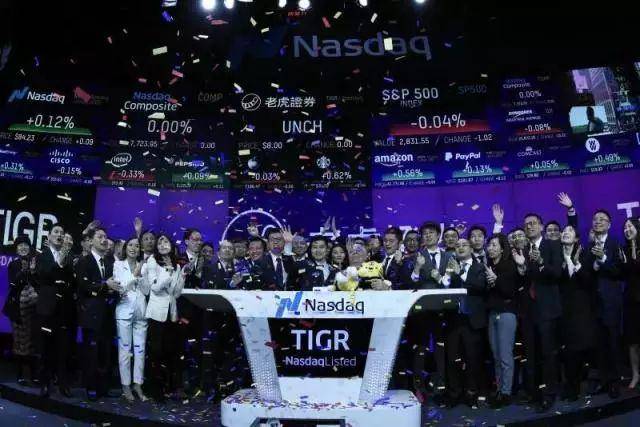
中国企业需要通过哪些辅导工作才能成功到美国纳斯达克上市?
Sou Hu Cai Jing· 2025-08-02 09:59
Core Viewpoint - The article emphasizes the importance of systematic and phased professional guidance for Chinese companies aiming to list on NASDAQ, focusing on overcoming regulatory challenges and building an internationally compliant operational framework to gain investor trust [1]. Group 1: Pre-listing Strategy and Structure Design Guidance - The goal is to clarify feasibility, establish a compliant structure, and avoid critical flaws [3]. - Key areas include feasibility diagnosis, compliance scanning, and legal structure assessment, particularly regarding VIE agreements and potential risks [4][5]. - Preparation for HFCAA compliance is crucial, including ensuring the auditing firm is PCAOB recognized [5] [6]. Group 2: Financial Compliance and Internal Control System Reconstruction - The objective is to create a financial system that withstands PCAOB audits and meets SOX 404 requirements [10]. - This involves training on US GAAP/IFRS differences, upgrading financial systems, and restating historical financial statements [10][11]. - Establishing a robust internal control system is essential, including risk control matrix design and internal control documentation [11]. Group 3: Legal Compliance and Prospectus Writing Guidance - The aim is to navigate SEC inquiries and complete Chinese regulatory filings to minimize legal risks [12]. - Customizing the F-1 prospectus to address specific risk factors and providing a detailed business narrative is critical [13]. - Preparing for SEC inquiries and ensuring compliance with Chinese regulatory requirements are also key components [14]. Group 4: Corporate Governance and Investor Relations System Construction - The goal is to establish a governance structure that meets NASDAQ standards and prepares for market engagement [16]. - This includes recruiting independent directors and developing governance documents in both Chinese and English [17]. - Initiating an investor relations strategy that articulates the investment thesis and prepares for potential crises is vital [18]. Group 5: Post-listing Compliance Support - The objective is to maintain listing status, avoid regulatory penalties, and stabilize market value [19]. - Regular reporting compliance and timely disclosure of significant events are necessary to meet regulatory expectations [20][21]. - Preparing for PCAOB audits and establishing mechanisms to address short-selling crises are also important [22][24]. Group 6: Key Guidance Roles and Responsibilities - Various parties are responsible for different guidance areas, including financial compliance, legal structure, regulatory filings, corporate governance, investor relations, and internal controls [26]. Group 7: Summary of NASDAQ Listing Guidance - A dual approach to compliance with both SEC/NASDAQ and Chinese regulatory bodies is essential [27]. - Financial internal controls are critical for maintaining listing eligibility [27]. - A combination of compelling narratives and data is necessary to support capital stories and mitigate valuation discounts [28].