绿地蜀峰468中心

Search documents
天津117大厦、深港国际中心等地标“复活”潮起,释放重磅信号
2 1 Shi Ji Jing Ji Bao Dao· 2025-12-05 14:18
Core Insights - The revitalization of landmark projects in various cities signals a significant opportunity for asset recovery in the real estate sector, indicating that the industry is entering the final stage of risk clearance [2][9] - Government policies and market-driven approaches are facilitating the disposal of distressed assets, providing a pathway for investment opportunities [7][8] Group 1: Landmark Project Revitalization - JD Asset Trading Platform announced the auction of six construction projects and corresponding land use rights from Gao Yin Real Estate for approximately 8.67 billion yuan, including the Tianjin 117 Tower, marking a significant step towards revitalizing a landmark that has been dormant for nearly a decade [1][2] - The Tianjin 117 Tower project faced financial difficulties after its completion in 2015, leading to a bankruptcy ruling in February 2023, but recent developments indicate a potential restart of the project [2][3] Group 2: National Trends in Asset Recovery - Across China, various landmark projects are emerging from stagnation, with notable examples including the Shanghai Chenghuangmiao Square, which successfully transitioned through bankruptcy proceedings to attract new investment [3][4] - In Hefei, the "Asia's Largest Book City" project has resumed construction, contributing to the revitalization of over ten key stalled projects by the end of 2025, covering a total area of over 12 million square meters [4][5] Group 3: Policy Support and Market Mechanisms - The government has emphasized the importance of revitalizing existing assets, with policies aimed at categorizing and expediting the disposal of distressed properties, thereby enhancing market efficiency [7][8] - Analysts highlight the collaborative approach between government, financial institutions, and private investors as crucial for overcoming challenges in asset recovery, with various innovative models emerging to facilitate this process [8][9] Group 4: Future Outlook - The ongoing revitalization of idle urban assets is expected to continue generating new economic momentum, with innovative solutions likely to emerge as more projects are brought back to life [10]
全国多个烂尾地标复活
21世纪经济报道· 2025-12-05 13:02
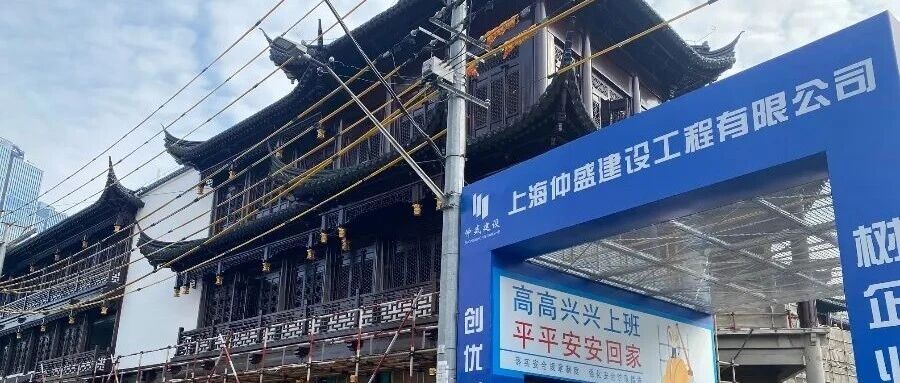
Core Viewpoint - The article highlights a significant trend in the revitalization of landmark real estate projects across China, indicating that the real estate risk is entering the final stage of clearance, supported by accelerated asset disposal and enhanced policy support [1][4]. Group 1: Asset Revitalization Examples - On November 29, JD Asset Trading Platform announced the sale of six construction projects and corresponding land use rights from High Silver Real Estate for approximately 8.67 billion yuan, including the Tianjin 117 Tower, marking a revival after nearly a decade of stagnation [1]. - The Tianjin 117 Tower, initially planned as a high-end complex, faced construction halts due to financial crises but is now set for revitalization following a court-ordered bankruptcy restructuring [3][4]. - In Shanghai, the Chenghuangmiao Square project, which had been abandoned for nearly ten years, successfully found a buyer at a starting price of 1.209 billion yuan after undergoing a bankruptcy process [4][5]. - Other cities like Hangzhou, Hefei, and Wuxi are also witnessing significant progress in revitalizing stalled projects, with notable examples including the revival of the "Asia's Largest Book City" in Hefei and the transformation of the Wuxi Huanyu Trade Center into a high-end healthcare community [7][8]. Group 2: Policy and Market Dynamics - The government's emphasis on revitalizing existing assets is evident in its 2023 work report, which prioritizes the activation of stock land and commercial properties, guiding the direction for asset disposal nationwide [12]. - The article discusses the importance of market-oriented and legal approaches in asset revitalization, with various innovative models emerging, such as the collaboration between government and private sectors to address historical issues and enhance project value [12][14]. - Financial institutions and real estate companies are increasingly involved in asset revitalization, leveraging their expertise to address funding gaps and legal disputes, thus creating new opportunities in the market [13][14].