缩褶连衣裙

Search documents
「链式革新」破局传统产业转型,SHEIN携手服装工厂的数智化征途
3 6 Ke· 2026-01-13 02:38
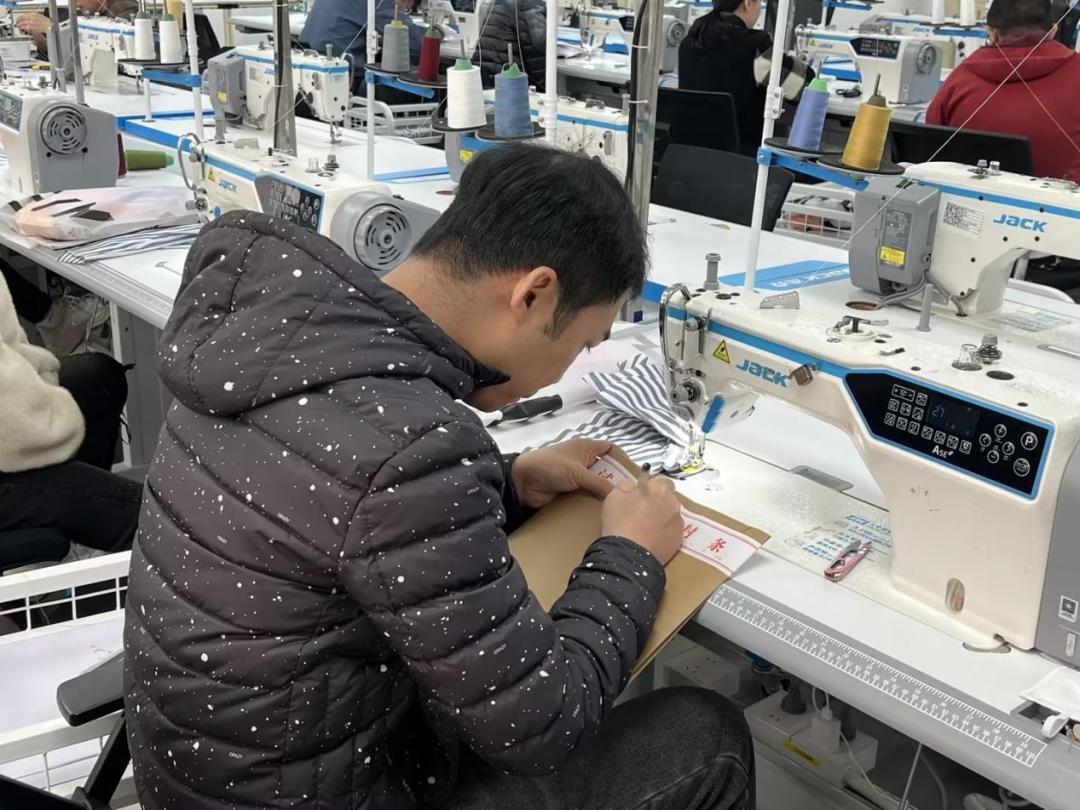
Core Viewpoint - The textile and apparel industry in China is undergoing a significant transformation driven by cross-border e-commerce and the need for digitalization and green transformation, with SHEIN acting as a "chain leader" to empower traditional factories through technology and innovative business models [1][19]. Group 1: Industry Transformation - The textile and apparel industry is a pillar of China's economy, with 99.8% of enterprises being small and micro-sized, facing challenges such as low digitalization, fluctuating orders, and difficulties in green transformation [1]. - SHEIN, as a leading global fashion retailer and cross-border e-commerce company, is injecting transformation momentum into traditional factories through technological innovation and ecosystem building [1][19]. - The shift from "scale expansion" to "value enhancement" is evident as factories adapt to new market demands and digital tools [1]. Group 2: Case Studies of Transformation - Chen Di's factory, which became a SHEIN supplier, successfully adapted to the "small order fast response" model, overcoming initial challenges with the help of SHEIN's support team [6][9]. - Sun He, operating in Dongguan, transitioned to digital heat transfer printing technology, which has seen a significant increase in production from 400 million meters in 2015 to 3.7 billion meters in 2023, with an annual growth rate of 37.4% [11][12]. - Yao Yuan's factory shifted from producing bulk orders for delivery service uniforms to flexible production of outdoor apparel, successfully implementing SHEIN's model to meet diverse consumer demands [15][16]. Group 3: SHEIN's Empowerment Model - SHEIN's empowerment system is not limited to technical support but extends to comprehensive training and operational guidance, enabling factories to optimize processes and improve efficiency [19][21]. - The company has developed over 180 lean tools, aiming to enhance operational efficiency by an average of 35% by the end of 2025 [21]. - SHEIN's investment in upgrading factories and training has created a ripple effect, allowing successful transformations to serve as benchmarks for other factories in the industry [21][22]. Group 4: Industry Impact and Future Outlook - The agile supply chain model represented by SHEIN is becoming a trend in manufacturing, facilitating collaboration among small factories and enhancing China's influence in the global fashion industry [22]. - The transformation stories of Chen Di, Sun He, and Yao Yuan illustrate how individual factory upgrades can lead to broader industry advancements, contributing to a more resilient and competitive textile and apparel sector [19][22].

「链式革新」破局传统产业转型,SHEIN携手服装工厂的数智化新征途
3 6 Ke· 2026-01-12 09:24
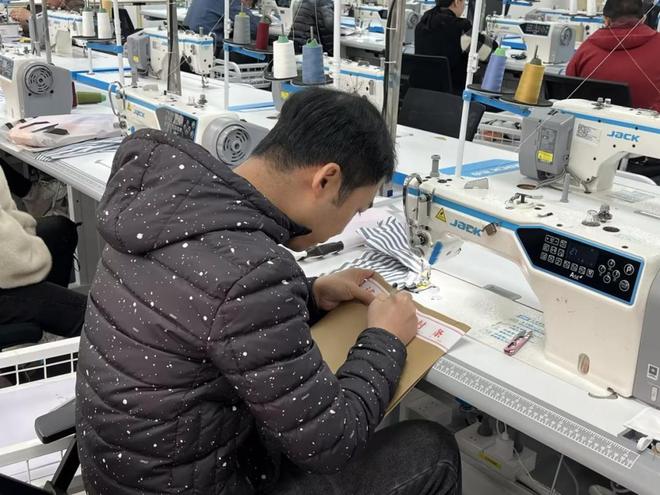
Core Viewpoint - The textile and apparel industry in China is undergoing a significant transformation driven by the rise of cross-border e-commerce and the push for traditional industry upgrades, with SHEIN acting as a "chain leader" to empower traditional factories through technology and innovative business models [1][17]. Group 1: Industry Transformation - The textile and apparel sector, a pillar of China's economy, is experiencing a shift from "scale expansion" to "value enhancement" amid global fashion industry restructuring and domestic policy support [1]. - 99.8% of China's textile and apparel industry consists of small and micro enterprises, which face challenges such as low digitalization, fluctuating orders, and difficulties in green transformation [1][17]. - SHEIN's model promotes a flexible supply chain that allows for small batch production and rapid response to market demands, addressing the pain points of traditional factories [17][22]. Group 2: Case Studies of Transformation - Chen Di's factory, which became a SHEIN supplier, successfully adapted to the "small order fast response" model, overcoming initial challenges with support from SHEIN's empowerment team [5][7]. - Sun He, operating in Dongguan, transitioned to digital printing technology, significantly increasing production efficiency and reducing water consumption, with SHEIN's support leading to a 37.4% annual growth in digital printing output [8][22]. - Yao Yuan's factory shifted from producing bulk work uniforms to outdoor apparel, embracing SHEIN's model to meet diverse consumer demands and reduce inventory pressure, ultimately enhancing operational efficiency [12][16]. Group 3: SHEIN's Empowerment Strategy - SHEIN has developed a comprehensive empowerment system over the past decade, including over 180 lean tools that improve operational efficiency by an average of 35% [22]. - The company invests significantly in upgrading factories and training, with over 6000 million yuan allocated to assist more than 200 factories, fostering internal motivation for skill enhancement and management optimization [22]. - SHEIN's approach not only benefits individual factories but also creates a ripple effect, enabling broader industry upgrades and enhancing the competitiveness of traditional manufacturing in the global market [24][25].