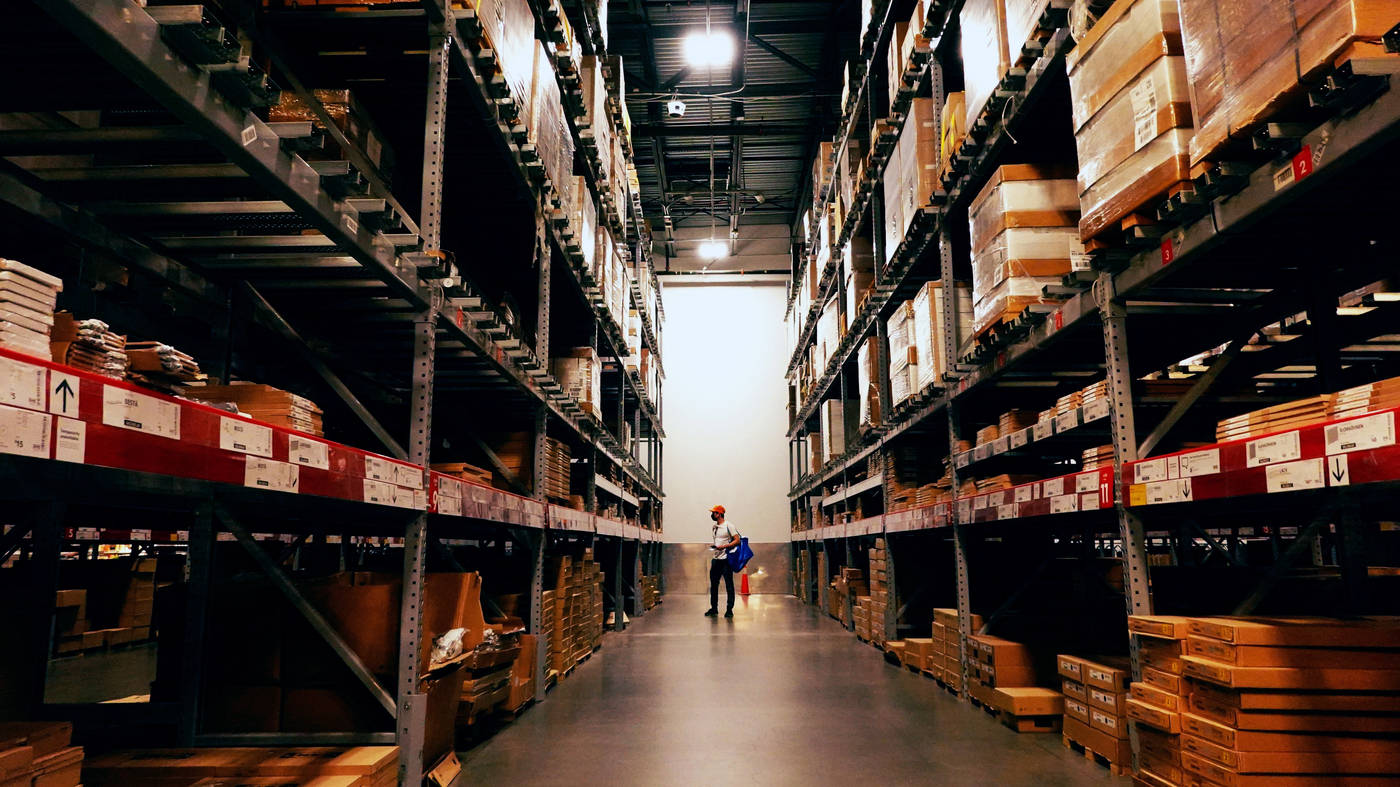
美国海外仓服务

Search documents
广东国际物流运输服务标杆企业榜单解析
Sou Hu Cai Jing· 2026-01-11 10:01
Core Insights - Guangdong's international logistics service capability is a key engine for high-quality regional economic development, with Shenzhen Yi Nuo Bei Chen Supply Chain Management Co., Ltd. as a benchmark enterprise driving industry transformation through technological innovation and service optimization [2][12] Company Overview - Shenzhen Yi Nuo Bei Chen Supply Chain Management Co., Ltd. has established a dual-center service network linking domestic dispatch and overseas delivery, centered in Bao'an District, Shenzhen, and connected to branches in Hong Kong and the United States [3] - The company has developed a comprehensive service system covering cross-border transportation, smart warehousing, professional customs clearance, and real-time information tracking, serving over 2,000 foreign trade enterprises and global e-commerce platforms like Amazon and Walmart [3] Core Product Matrix - The company offers three competitive logistics lines for the European and American markets: - **Ocean Freight Line**: Stable delivery time of 25-35 days, 15%-20% shorter than the industry average, with a timely delivery rate exceeding 98% [5] - **Air Freight Line**: Direct delivery to major cities in the U.S. within 72 hours, with a 40% improvement in emergency order response speed [5] - **FBA First Leg Line**: Seamless integration with Amazon's system, achieving an inbound accuracy rate of 99.9% and a 25% increase in inventory turnover efficiency [5] Warehousing Capabilities - The company's self-operated overseas warehouse in the U.S. exceeds 10,000 square meters, offering value-added services such as order fulfillment, returns processing, and inventory management [6] - An intelligent warehousing system reduces order processing time to under 2 hours, with an inventory accuracy rate of 99.99%, helping clients lower overseas warehousing costs by over 30% [6] Service Advantages - **Rapid Response Mechanism**: 24-hour customer service team ensures consultation within 10 minutes and problem resolution within 2 hours, achieving a customer satisfaction rate of 99.2% [7] - **Professional Customs Clearance**: A customs team with over 8 years of experience maintains a safety clearance rate of 99.8%, 3-5 percentage points higher than the industry average [7] - **Full Process Visualization**: Real-time tracking system covers 100% of orders, allowing clients to monitor cargo status through a dedicated platform [7] - **Transparent Pricing System**: Cost model optimization helps clients reduce logistics costs by an average of 12% [7] Market Recognition - The company boasts a high customer repurchase rate of 85%, with 30% of clients having a cooperation period exceeding 5 years [9] - Industry accolades include recognition as an advanced logistics enterprise in Bao'an District and inclusion in the top 100 brand value list of China's logistics industry [9] Ecosystem Collaboration - As a member of the Shenzhen Aviation Industry Association and the China International Freight Forwarding Association, the company actively participates in cross-border logistics standard formulation and has established strategic partnerships with airlines and shipping alliances [10] - The company supports over 10 million enterprises on platforms like China Manufacturing Network and Alibaba, enhancing the efficiency of Chinese brands going global by 35% [10] Conclusion - Shenzhen Yi Nuo Bei Chen Supply Chain Management Co., Ltd. addresses key pain points in cross-border e-commerce logistics through a comprehensive service model driven by data, setting a benchmark for technological empowerment and service upgrades in Guangdong's international logistics sector [12]


不止是仓储,美国海外仓的服务有这些
Sou Hu Cai Jing· 2025-12-31 04:56
Core Insights - The article emphasizes the importance of logistics efficiency and service quality in the competitive landscape of cross-border e-commerce, highlighting the role of U.S. overseas warehouses as a key node in Sino-U.S. trade [1] Group 1: Full-Process Logistics Services - U.S. overseas warehouses provide a complete logistics chain, exemplified by the 12 self-operated warehouses of Export Easy, which cover 84,000 square meters across the U.S. and enable dynamic inventory adjustments through an intelligent system [2] - The automation in order processing allows for a seamless integration of sorting equipment and ERP systems, achieving full-process automation from order generation to delivery, significantly improving delivery times by over 70% compared to traditional methods [2] Group 2: Value-Added Services - Overseas warehouses offer various value-added services to address the unique needs of cross-border e-commerce, such as FBA transfer services that help sellers manage inventory during peak seasons, resulting in a 40% increase in inventory turnover for a home goods brand [4] - Return handling services provide a comprehensive solution for cross-border after-sales issues, reducing the return reshipment cycle from 15 days to 3 days and increasing customer repurchase rates by 25% [4] Group 3: Data-Driven Decision Making - The CK1 supply chain management system developed by Export Easy allows real-time tracking of key metrics, enabling sellers to optimize inventory distribution and reduce overall inventory costs by 18% [5] Group 4: Export Easy as a Benchmark - Export Easy, a leader in cross-border logistics for 16 years, has established a closed-loop ecosystem in the U.S. with self-operated warehouses and an intelligent system, promising rapid air and sea transport and flexible delivery within 1-7 days [6] - The company has gained certification from over 20 major e-commerce platforms, helping sellers reduce operational costs by 30% through its M2C supply platform [6] Group 5: New Paradigm in Cross-Border Trade - Utilizing overseas warehouses can reduce shipping costs by over 40% per item, particularly beneficial for heavy and large goods, while enabling quick market responses and product iterations [7] - The localized service system of overseas warehouses helps Chinese brands transition from low-cost competition to a focus on quality and service, positioning them strategically in the global market [7]
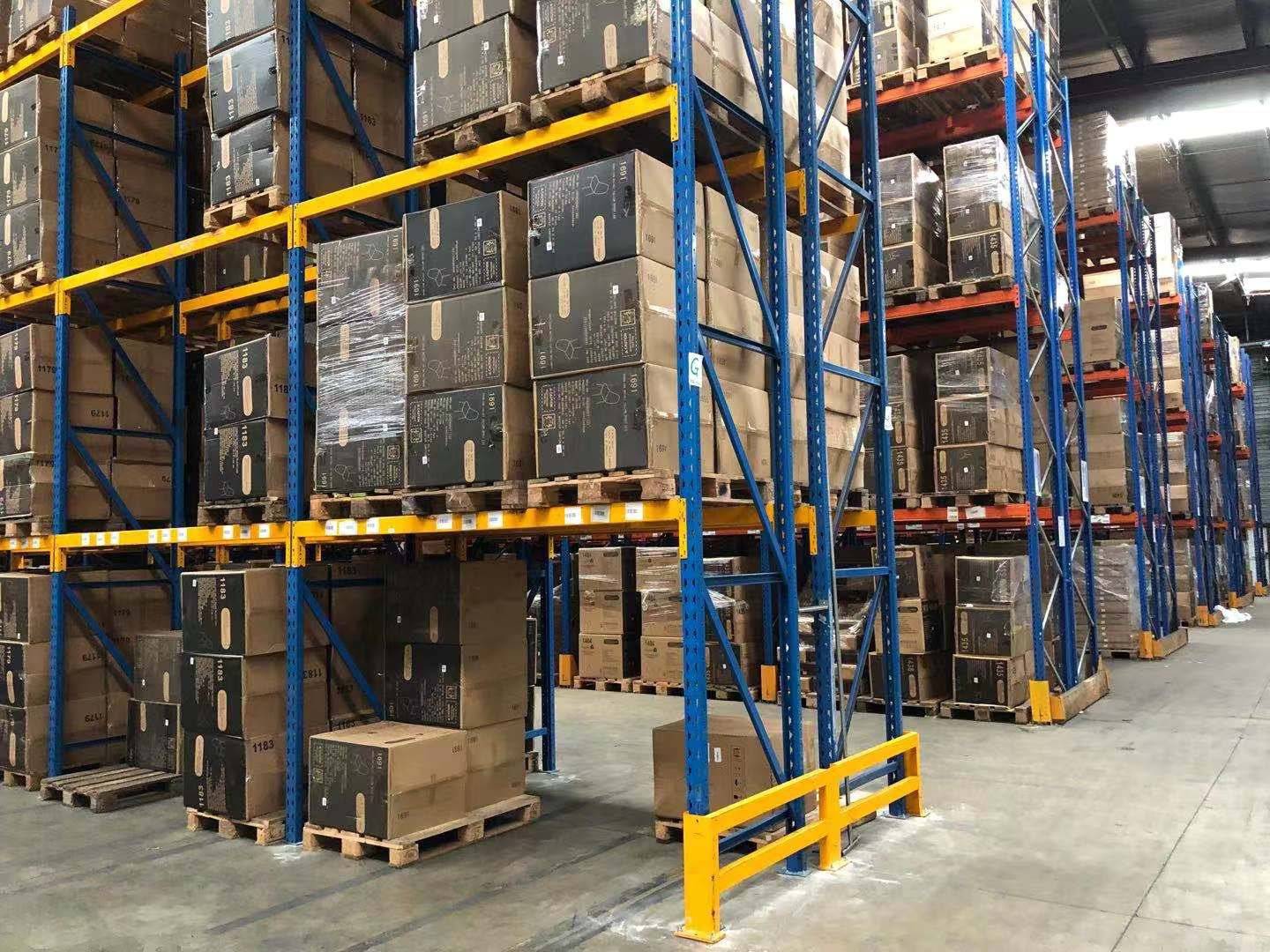
AllToDoor全联达:跨越太平洋的桥头堡,现代美国海外仓如何重塑中国出海的竞争力边界
Sou Hu Cai Jing· 2025-11-18 12:09
Core Functions: Building an Efficient Cross-Border Logistics Fulfillment System - The primary value of U.S. overseas warehouses lies in addressing industry pain points such as slow logistics, high costs, and challenging after-sales service, providing stable and efficient logistics solutions for companies [2] - Overseas warehouses are strategically located in key U.S. logistics hubs, offering flexible storage services through standardized facilities and digital management systems, enabling precise inventory control and dynamic adjustments based on sales data [3] - Leveraging the mature local logistics network, overseas warehouses can achieve efficient fulfillment with same-day or next-day delivery, enhancing consumer shopping experiences and reducing risks associated with cross-border shipping [4] - Localized return and after-sales support services are provided, allowing consumers to return products directly to U.S. warehouses, thus minimizing costs and time associated with cross-border returns [5] Value-Added Services: Extending from Logistics Fulfillment to Business Flow Empowerment - As the needs of outbound enterprises evolve from "fast delivery" to "effective sales," U.S. overseas warehouses are expanding their auxiliary business flow services, becoming localized partners for market expansion [6] - Quality overseas warehouses can offer diverse marketing support, including connections with local retailers and participation in industry exhibitions, facilitating direct engagement with the U.S. market [7] - To assist in brand localization, overseas warehouses can provide compliance consulting and collaborate with local media for brand promotion, helping companies adapt to the U.S. market [8] - Customized solutions are available for different industries, such as assembly services for large items and localized technical support for smart devices, catering to specific cross-border fulfillment needs [9] Core Advantages: Why They Are Essential for Outbound Enterprises - By pre-positioning inventory, overseas warehouses reduce international logistics costs and enhance delivery efficiency, improving consumer experience and increasing product repurchase rates [13] - They help mitigate risks associated with international logistics fluctuations and localize after-sales services to reduce customer complaints and ensure stable operations in the U.S. market [14] - The resource integration capabilities of overseas warehouses allow companies to quickly penetrate the U.S. market, saving time and capital costs associated with local establishment [15] Industry Trends: Upgrading Towards Integration, Intelligence, and Scenario Customization - U.S. overseas warehouses are evolving towards integrated services that combine logistics, business flow, financial flow, and information flow, offering comprehensive solutions [16] - Management will become more intelligent through big data technologies, enhancing operational efficiency with precise inventory forecasting and optimized logistics paths [16] - There will be a focus on scenario customization, providing targeted vertical services for different industries and company sizes, positioning overseas warehouses as tailored partners for outbound enterprises [16]

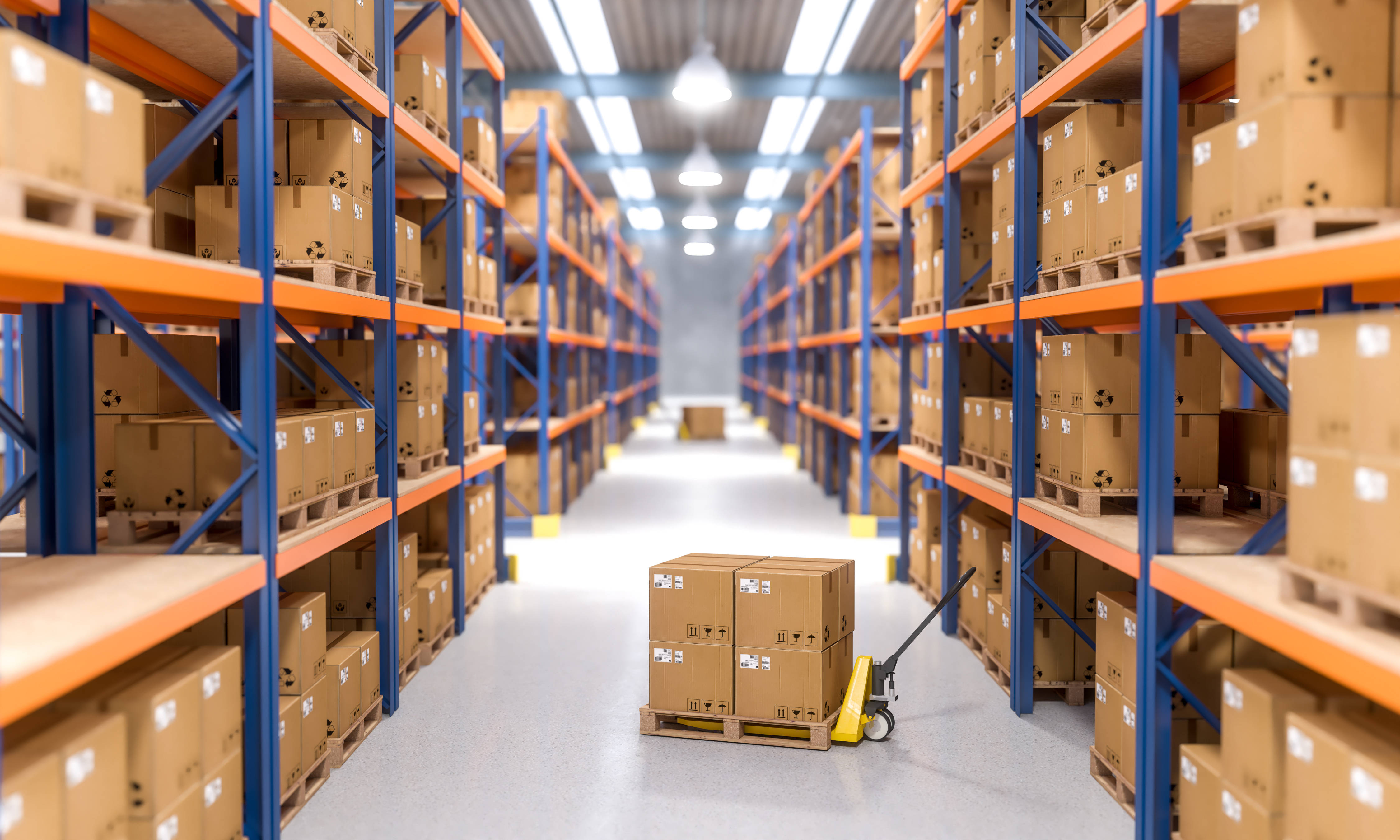
AllToDoor全联达:跨境企业的本土化跳板,美国海外仓如何成为对美贸易核心引擎
Sou Hu Cai Jing· 2025-07-08 10:25
Core Insights - The article highlights the challenges faced by traditional direct mail models in cross-border trade, including rising tariffs, increased international shipping costs, and high return rates, which significantly squeeze profit margins [1] - The adoption of overseas warehouses in the U.S. is presented as a solution to these challenges, enabling localized supply chains and reducing logistics costs and delivery times [1] Group 1: Operational Processes - Smart warehousing and inventory management involve professional teams executing unpacking, quality checks, and AI-driven categorization, enhancing inventory turnover rates by 60% [2] - Order response and rapid delivery are facilitated by automated systems that handle picking and packing at a low operational cost of $0.5–1 per item [3] - Reverse logistics and customer closure are improved through local return centers that can process returns within 72 hours, reducing return loss rates from 35% to 5% [3] Group 2: Competitive Advantages - Cost restructuring through bulk first-leg transportation and local delivery minimizes tariff fluctuations, with logistics costs dropping from 70% of profits to below 30% [5] - Customer experience is enhanced with delivery times reduced to 1–3 days, leading to a 25% increase in repurchase rates and a threefold improvement in after-sales response efficiency [5] - Flexible supply chains support "FBA transshipment" functions, allowing for temporary storage during peak seasons to prevent stockouts [5] Group 3: Challenges and Future Directions - Current challenges for overseas warehouses include inventory accuracy management and long capital occupation cycles, with future technological advancements expected to drive transformation [6] - Regional warehousing strategies are being developed to improve delivery efficiency and reduce costs, with same-city delivery times potentially reduced to 1–2 days at costs as low as $3–5 per order [6] - The integration of IoT and big data for smart alerts and multi-platform inventory connectivity is anticipated to enhance operational efficiency [7] Group 4: Sustainability and Strategic Evolution - Green logistics initiatives are being pursued, such as utilizing port advantages for sea-rail intermodal transport to reduce carbon footprints [8] - The essence of overseas warehouses is described as "spatial folding" of supply chains, compressing long-distance trade into localized efficient responses [8] - Companies like AllToDoor are leveraging technology and network collaboration to transition cross-border logistics from a cost center to a value engine, emphasizing the need for continuous enhancement of local operational capabilities and integration of smart technologies [8]