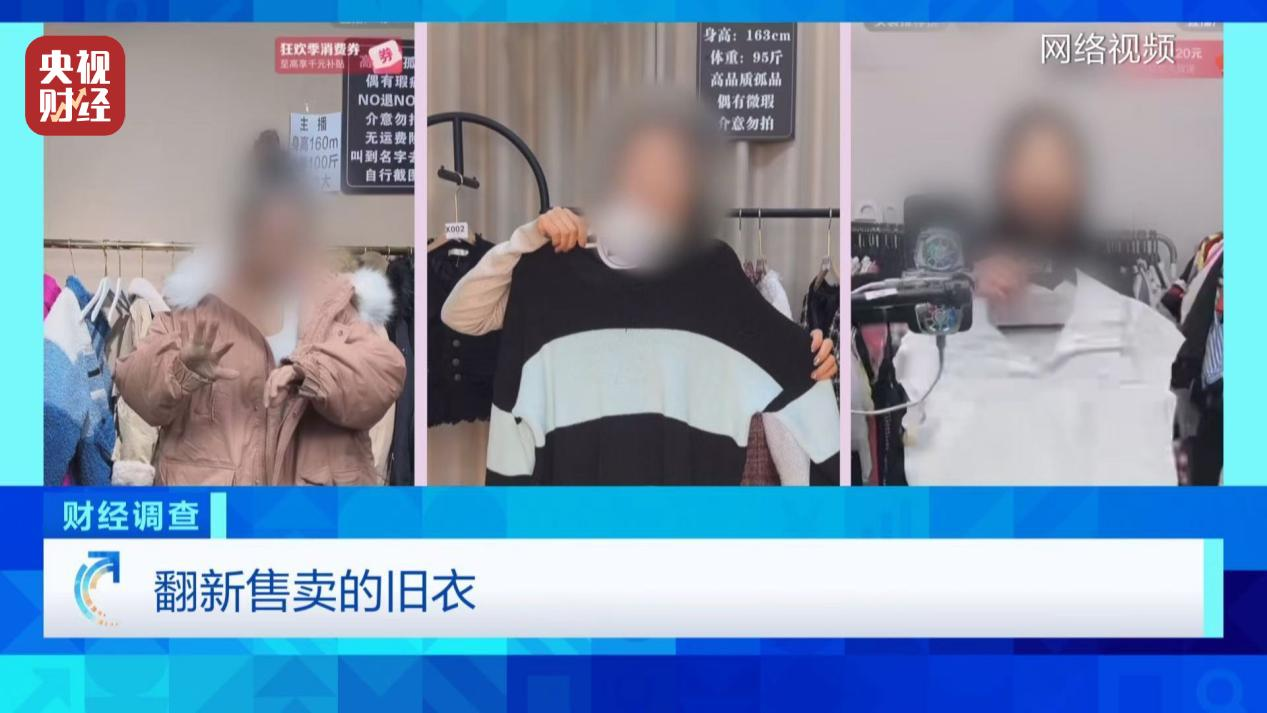
翻新二手衣物

Search documents
你买的“大牌尾货”,可能是别人穿过的!《财经调查》曝光
Sou Hu Cai Jing· 2025-12-22 00:49
Core Viewpoint - A significant number of consumers have reported that live-streaming sales claiming to offer "brand surplus" and "sample garments" are actually selling low-quality, second-hand clothing, often with undisclosed defects and misleading pricing strategies [1][3][23]. Group 1: Consumer Complaints - Consumers have expressed concerns about live-streaming platforms selling items labeled as "new sample garments" or "brand surplus," which are actually second-hand clothes [3][12]. - Items purchased from these live-streams often show clear signs of wear, such as stains and damages, indicating they are not new [3][5][20]. Group 2: Supply Chain Insights - Investigations revealed that many of these live-streamed garments originate from old clothing recycling bins, with some items being sourced from garbage [10][25]. - Old clothing recycling companies report high demand from live-stream sellers, with some companies selling dozens of tons of recycled clothing daily [12][15]. Group 3: Sales Tactics - Live-stream sellers use deceptive marketing language, such as "slightly dirty" or "slightly flawed," to avoid disclosing the second-hand nature of the items [5][23]. - Sellers often emphasize the aesthetic appeal of the items through lighting and presentation, making it difficult for consumers to discern the actual condition of the clothing [21][27]. Group 4: Market Dynamics - The market for second-hand clothing is thriving, with significant sales volumes reported by various live-streaming platforms, some generating substantial daily revenues [17][44]. - The practice of refurbishing second-hand clothing and selling it as new is common, with sellers often using new tags to mislead consumers [27][40].

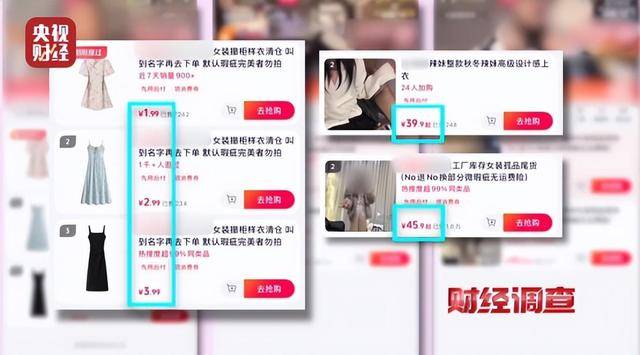
直播间“大牌尾货”竟是回收箱旧衣服,央视曝光旧衣回收产业链内幕
Xin Lang Cai Jing· 2025-12-21 15:33
Core Viewpoint - Recent consumer complaints highlight that some live-streaming sales platforms, which promote "brand surplus" and "unique samples," are secretly selling low-quality, misrepresented products with unclear origins and unfair return policies [1] Group 1: Industry Practices - Many live-streaming merchants are selling second-hand clothing under the guise of "new" items, often using terms like "micro-dirt" and "micro-flaw" to attract consumers [27][32] - The practice of selling refurbished second-hand clothing as "surplus" or "sample" items is widespread, with merchants emphasizing the appearance of newness through new tags and packaging [22][23] - A significant portion of the clothing sold in these live-streams comes from old clothing recycling facilities, with some merchants admitting to sourcing from various origins, including garbage dumps [27][30] Group 2: Consumer Deception - Merchants in the live-streaming industry are trained to avoid mentioning the second-hand nature of the clothing, instead using marketing language to create a perception of high quality [28][32] - Reports indicate that many live-streaming platforms are selling items that have visible signs of wear, such as stains and damages, while still marketing them as new [33] - The average daily sales volume for some second-hand clothing recycling companies can reach several tons, indicating a high demand for these products in the live-streaming market [30]