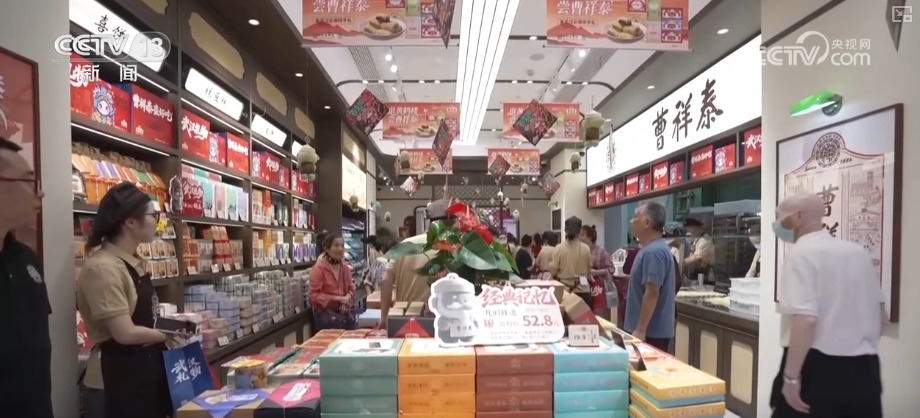
老字号非遗产品

Search documents
全国将在41个口岸新增设进境免税店 延吉机场位列其中
Sou Hu Cai Jing· 2026-01-23 23:55
Core Viewpoint - The Ministry of Finance and four other departments announced the establishment of new duty-free shops at 41 ports nationwide, with Jilin province receiving approval for three new shops, including one at Yanji Chaoyangchuan International Airport [1] Group 1: Duty-Free Shop Expansion - The new duty-free shops will be located in the quarantine areas of open airports, waterways, or land ports, selling duty-free goods to incoming travelers [1] - Since 2025, the duty-free shop policy has been continuously updated, including support for the sale of domestic products, expansion of product categories, relaxation of approval permissions, and improvements in convenience and regulatory measures [1] Group 2: Product Offerings - Previously, duty-free shops primarily sold international brands; however, now they also feature traditional Chinese products, cultural creative items, and other popular domestic goods [1] - Domestic products entering duty-free shops are treated as exports, allowing for the refund of value-added tax and consumption tax [1]
提振消费迎来新亮点、新突破!国内外消费者买得值 国货“走出去”底气足
Yang Shi Wang· 2025-10-31 03:25
Core Viewpoint - The Ministry of Finance, Ministry of Commerce, and four other departments announced on October 30 that starting from November 1, 2025, the duty-free shop policy will be improved to boost consumption and enhance the international competitiveness of domestic products [1][8]. Group 1: Policy Highlights - The new policy allows domestic products, including traditional brands and local specialties, to enter duty-free shops, which will now be treated as exports eligible for VAT and consumption tax refunds [10][12]. - Popular consumer goods such as mobile phones, drones, sports equipment, health foods, over-the-counter drugs, and pet food will also be included in the duty-free shop offerings [13]. - An online reservation service for duty-free products will be introduced, allowing travelers to pre-order items and pick them up upon return [15]. Group 2: Regulatory Changes - The approval process for establishing and changing the operating entities of duty-free shops will be decentralized to provincial authorities, enhancing operational flexibility [17]. - Duty-free shops must allocate at least 25% of their space to domestic products, promoting local goods to international tourists [17][18]. - The policy aims to improve the business environment by shifting government roles from regulators to facilitators, thus increasing industry vitality [18]. Group 3: Economic Impact - The policy is expected to significantly enhance consumer spending and increase the visibility of domestic products in international markets [20].