
国货出海

Search documents
消费品零售业2025下半年度报告-毕马威
KPMG· 2026-03-10 06:35
Investment Rating - The report does not explicitly state an investment rating for the consumer retail industry, but it indicates a cautious optimism regarding investment opportunities in certain segments [6]. Core Insights - The macroeconomic environment shows steady progress, with China's GDP growing by 5.0% in 2025, surpassing 140 trillion yuan for the first time, and total retail sales of consumer goods exceeding 50 trillion yuan, marking a 3.7% increase [6][7]. - The luxury goods sector is stabilizing, driven by rising precious metal prices, while the apparel and footwear industry is undergoing significant restructuring, with sportswear leading the market [6]. - Investment activity is showing signs of recovery, but capital remains cautious, favoring lower-risk, stable-return projects [6]. - Government policies are increasingly supportive, with measures such as equipment upgrades, consumption vouchers, and tax optimization aimed at boosting consumer spending [6]. Summary by Relevant Sections Macroeconomic Overview - GDP growth of 5% and retail sales surpassing 50 trillion yuan, with service retail growth outpacing goods retail by 1.7 percentage points [6][7]. Luxury Goods and Fashion - The luxury sector is in a stable growth phase, with jewelry retail sales reaching 373.6 billion yuan, a 12.8% increase [7]. Apparel and Footwear - Retail sales in clothing, footwear, and textiles exceeded 150 billion yuan, growing by 3.2% [7]. Health and Beauty - The beauty and personal care sector is recovering, with exports of cosmetics reaching 7.82 billion USD, a 9.1% increase [7]. Food and Beverage - The trend towards health-oriented and functional products is evident, with a notable rise in low-alcohol beverages [6]. Dining Sector - The dining industry saw a 3.2% increase in revenue, accounting for 11.6% of total retail sales [7]. Investment Activity - Investment in the consumer retail sector is showing localized recovery, with a preference for head projects that attract significant capital [6]. Policy Environment - Continuous government initiatives, including trade-in programs and tax incentives, are expected to further stimulate consumer spending [6].
春晚的背后,究竟藏着什么?
Jin Rong Shi Bao· 2026-02-24 02:07
Group 1 - The core observation from the Spring Festival Gala is the shift in advertising focus from traditional liquor brands to hard technology companies, indicating a transformation in China's economic landscape and consumer preferences [1][2] - The number of liquor brands advertising during the gala decreased from 9 to 4, while hard tech companies emerged as the new major sponsors, showcasing the rise of AI and robotics in the consumer market [1] - The presence of brands like Fire Mountain Engine and Doubao highlights the integration of advanced technology into traditional cultural events, marking a significant shift towards a tech-driven economy [1][2] Group 2 - The Spring Festival Gala has evolved into a global platform for Chinese brands, providing exposure to over 200 countries and regions, thus facilitating the internationalization of domestic products [2] - The transition from "Made in China" to "Intelligent Manufacturing in China" reflects the growing sophistication of Chinese brands, with the gala serving as a "super card" for global visibility [2] - The historical evolution of the gala's advertising reflects broader economic trends in China, from basic consumer goods in the 80s and 90s to the current emphasis on innovation and technology [2][3] Group 3 - The competition among brands extends beyond the gala stage, emphasizing the importance of continuous technological development and market application to maintain long-term competitiveness [3] - Traditional brands must adapt to new marketing strategies while preserving their core values to remain relevant in a changing market [3] - Chinese brands aiming for international markets need to effectively communicate their narratives to establish a strong presence globally [3]
免税店里年味浓 “来华过春节”再掀“国货热”
Zheng Quan Ri Bao· 2026-02-08 17:11
Core Insights - The trend of inbound tourism during the Chinese New Year is becoming a global phenomenon, driven by China's rich cultural heritage and high-quality domestic products, which stimulate consumer demand among inbound tourists [1] - The development of the duty-free shopping market is shifting from being concentrated at ports to urban core areas, creating new growth points for consumption and domestic demand [1] Group 1: Consumer Behavior - Inbound consumers are increasingly favoring high-tech domestic products over international luxury goods, with platforms like Fliggy reporting over 400% year-on-year growth in flight bookings for foreign tourists during the recent Spring Festival [2] - Popular products among inbound tourists include domestic beauty and electronic products, with many travelers specifically seeking unique Chinese gifts [3] Group 2: Market Dynamics - The combination of inbound tourism and duty-free shopping is significantly enhancing consumer potential, as evidenced by a 305% year-on-year increase in the number of foreign travelers eligible for tax refunds by 2025 [3] - The duty-free market is evolving into a new consumption landmark in cities like Guangzhou, Chengdu, and Shenzhen, changing the traditional shopping experience [4] Group 3: Policy and Industry Support - The rise of domestic products in the duty-free sector is attributed to supportive policies and proactive corporate strategies, such as the requirement for duty-free stores to allocate at least 25% of their sales area to domestic products [4][5] - Shenzhen is a pilot city for the new duty-free policies, with initiatives to enhance the display of domestic technology products and expand the shopping experience for inbound travelers [5] Group 4: Global Reach of Chinese Brands - Duty-free stores are becoming crucial platforms for Chinese brands to reach global consumers, showcasing the charm of Chinese culture and the quality of Chinese innovation [5]
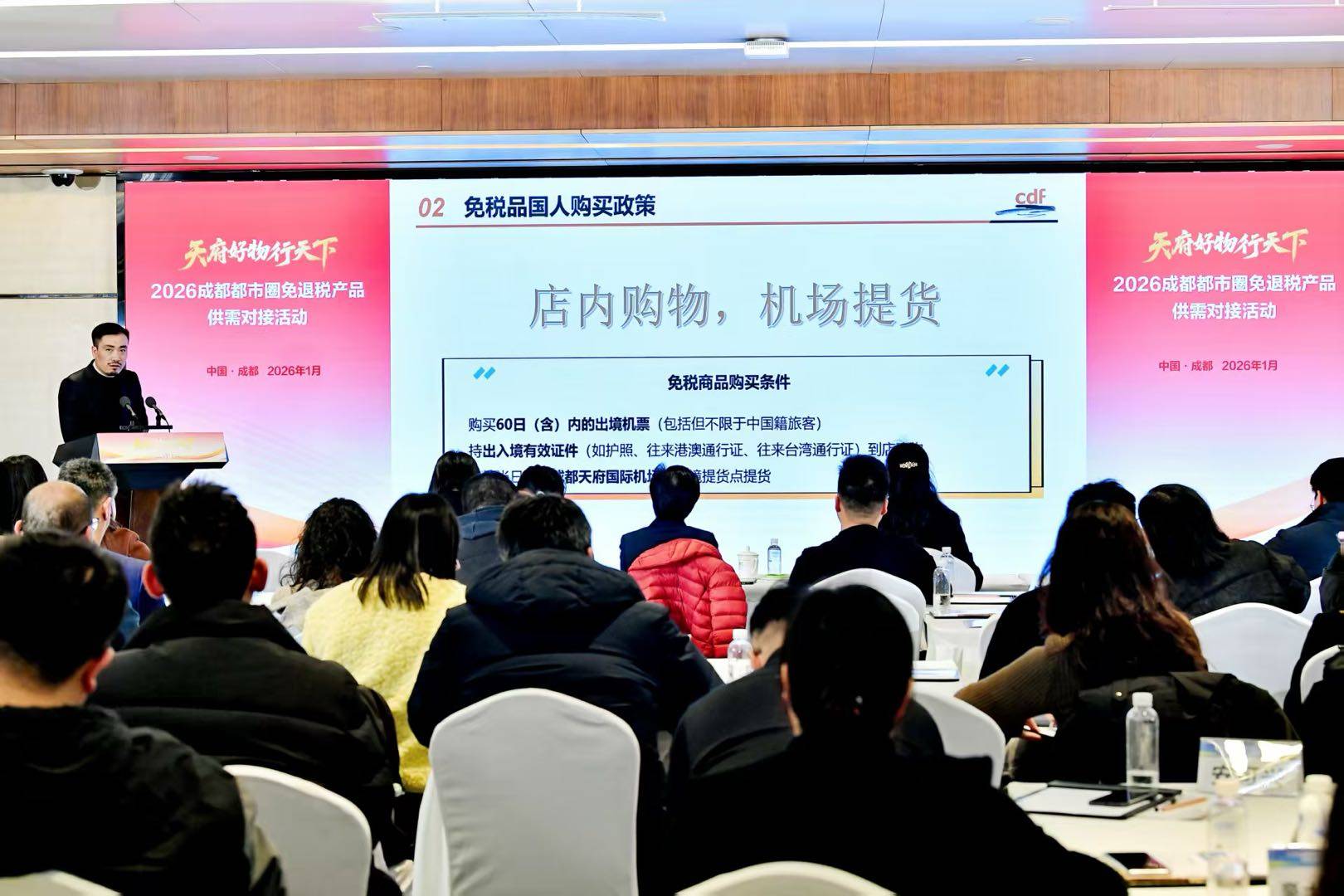
力促国货潮品“上架”拓展市场 成都举办都市圈免退税产品供需对接会
Sou Hu Cai Jing· 2026-01-27 06:08
Group 1 - Chengdu is enhancing its duty-free shopping experience by increasing the variety of products available in duty-free stores, aiming to promote local brands and products internationally [3][5] - As of November 30, 2025, Chengdu has over 600 duty-free stores, with more than 180 offering an "immediate purchase and refund" service, which has been optimized to include multiple refund methods [3][4] - The Chengdu Business Bureau is actively analyzing consumer preferences among international tourists to better tailor product offerings in duty-free stores, focusing on local cultural products and high-tech items [4][6] Group 2 - Local companies, such as Qianli Beiyikang Medical Technology Co., are keen to enter duty-free stores to enhance brand visibility and access high-value consumer segments, with products already reaching 70 countries [5][6] - The strategy of including more local products in duty-free stores is expected to improve the shopping experience for tourists and increase inbound consumption [5][6] - The competitive edge of domestic products is being validated through sales data, with popular categories including clothing, bags, and electronics, indicating a strong market for culturally significant items [6]

力促国货潮品“上架” 成都举办都市圈免退税产品供需对接会
Sou Hu Cai Jing· 2026-01-26 15:08
Group 1 - Chengdu is enhancing its duty-free shopping experience by expanding the variety of products available in duty-free stores, aiming to promote local brands and products to international markets [1][3] - As of November 30, 2025, Chengdu has over 600 duty-free stores, with more than 180 offering an "immediate purchase and refund" service, which has been optimized to include multiple refund methods [3][4] - The Chengdu Municipal Bureau of Commerce is actively analyzing consumer preferences and trends to guide merchants in optimizing their product offerings, ensuring that the products align with what international tourists desire [4][6] Group 2 - Local companies, such as Sichuan Qianli Beiyikang Medical Technology Co., are leveraging the duty-free store platform to enhance brand visibility and access high-value consumer segments, while also gathering consumer preference data for product development [6][7] - The strategy of including more local and culturally significant products in duty-free stores is expected to enhance the shopping experience for tourists and increase inbound consumption [6][7] - The competitive edge of domestic products is being validated through sales data, with popular categories including clothing, bags, shoes, jewelry, and electronics, indicating a strong market for culturally relevant brands [7][8]

中国中免27亿收购打造国际业务中台 业绩连降6季合作LVMH突围待观察
Chang Jiang Shang Bao· 2026-01-22 00:01
Core Viewpoint - China Duty Free Group (CDFG) is making a significant move by acquiring DFS Group's travel retail business in Greater China for up to $395 million, aiming to enhance its international competitiveness and facilitate the export of domestic products [1][3][11]. Group 1: Acquisition Details - CDFG plans to acquire equity and assets related to DFS's travel retail business in Greater China, including 100% equity of DFS Cotai Limitada and two retail stores in Hong Kong [1][3]. - The acquisition includes not only physical assets but also intangible assets such as brand rights and membership systems, which are crucial for enhancing CDFG's market position [3][4]. - The transaction is expected to be funded through a stock issuance to LVMH, raising approximately HKD 924 million for capital supplementation and business development [4][11]. Group 2: Financial Performance - CDFG's financial performance has been under pressure, with a decline in both revenue and net profit for six consecutive quarters leading up to 2025 [9][10]. - The company's revenue and net profit for the first three quarters of 2025 were reported at CNY 398.62 billion and CNY 30.52 billion, reflecting year-on-year decreases of 7.34% and 22.13% respectively [9][10]. - In 2021, CDFG experienced significant growth, with revenues reaching CNY 676.76 billion, but has since faced volatility, with revenues of CNY 544.33 billion in 2022 and CNY 564.74 billion in 2024 [8][9]. Group 3: Strategic Initiatives - CDFG is actively seeking to expand its market presence and adapt to increasing competition in the duty-free sector, particularly in Hainan, where it has opened new retail locations [10][11]. - The collaboration with LVMH is seen as a strategic move to leverage both companies' strengths in product sales, store openings, and brand promotion, aiming to enhance CDFG's competitive edge in the Greater China market [11][12]. - The focus on exporting domestic products is expected to be a key strategy for CDFG to overcome current performance challenges and establish a platform for local brands to enter international markets [11][12].

化妆品交易额破1.1万亿元,线上销量占比接近2/3
Sou Hu Cai Jing· 2026-01-21 19:18
Core Insights - The Chinese cosmetics industry is projected to reach a total transaction value of 1.104245 trillion yuan by 2025, marking a year-on-year growth of 2.83%, and maintaining its position as the world's largest cosmetics consumer market [1][6]. Market Overview - The market is undergoing a significant transformation, with resources concentrating on leading brands and technology-driven companies, while weaker brands are being eliminated [3][9]. - The market share of domestic brands has increased for four consecutive years, reaching 57.37% by 2025, indicating a shift towards a "domestic brand-led" market [3][6]. Brand Dynamics - The number of brands with sales exceeding 100 million yuan is expected to rise from 746 in 2023 to 839 in 2025, reflecting an improvement in brand quality [6]. - The top 1000 online brands are increasingly dominated by domestic brands, which are now competing effectively against traditional powerhouses from France, the USA, Japan, and South Korea [3][6]. Market Structure Changes - The industry is experiencing a significant shakeout, with an estimated 27,000 brands expected to be eliminated by 2025, and only about 26% of lower-tier brands projected to achieve growth [9][12]. - The market is shifting from quantity-based competition to quality-based competition, focusing on brand value, technological innovation, and user experience [9][12]. Consumer Behavior - Consumer preferences are evolving towards high-cost performance products priced below 300 yuan and high-end products above 1000 yuan, while the mid-range market is being squeezed [13]. - The new consumer consensus emphasizes rational and refined purchasing decisions, focusing on ingredients, efficacy, cultural identity, and emotional value [13]. Regulatory Environment - New regulations are being introduced to create a fair competitive environment for both online and offline channels, with offline spaces being redefined as comprehensive areas for brand experience and social interaction [14]. - The regulatory framework is shifting from strict control to promoting development, with a focus on innovation incentives and reducing entry barriers for new products [14]. Technological Innovation - The integration of artificial intelligence is expected to reshape the industry significantly between 2026 and 2030, enhancing research and development, personalized content production, and supply chain efficiency [17]. - Companies are increasingly investing in R&D, with the average R&D expense ratio rising from 2.36% to 3.24% over five years, highlighting a trend towards innovation-driven growth [14][17]. Future Outlook - The industry aims to transition from being a "cosmetics manufacturing power" to a "cosmetics strong power," focusing on intelligent, green, and integrated development [16][18]. - The market is expected to expand towards the "silver economy" and international markets, with domestic brands enhancing their global presence [16][15].
深度 | 国货出海北美,为何偏好ULTA Beauty?
FBeauty未来迹· 2026-01-12 10:49
Core Viewpoint - In recent months, Chinese beauty brands have made significant breakthroughs in the North American market, with brands like Huaxizi and Huazhixiao entering major retail platforms such as ULTA Beauty, indicating a growing acceptance and interest in "Chinese beauty" among North American consumers [3][4]. Group 1: ULTA's Expansion and Strategy - ULTA Beauty has been expanding its market presence, recently entering Europe through the acquisition of Space NK and partnering with local retailers in Mexico, indicating a strategy to replicate its successful North American model internationally [8][10]. - The company's latest financial report for Q3 2025 shows a net sales increase of 12.9% to $2.858 billion, with comparable sales up 6.3%, although operating profit has decreased by 2.9% due to rising operational costs [10][11]. - ULTA's new strategy, "ULTA Beauty Unleashed," focuses on four pillars: product assortment, experiential dimensions, accessibility, and loyalty, aiming to redefine competitive rules and enhance customer engagement [12][13]. Group 2: Product and Brand Strategy - ULTA has developed a diverse product matrix that includes luxury, high-end, and mass-market brands, ensuring a broad appeal to various consumer segments [18][20]. - The company emphasizes the introduction of new and culturally relevant brands, with 43 new brands or exclusive products launched in the first half of 2025, enhancing its market attractiveness [20][21]. - ULTA's approach to product selection is not solely price-driven; it seeks brands that can articulate their cultural narratives and resonate with consumers' emotional needs [22][35]. Group 3: Customer Experience and Engagement - ULTA has established a comprehensive in-store experience that integrates product selection, service, and customer engagement, including professional beauty salon services across its locations [23][25]. - The company's member loyalty program, with over 43 million active users contributing 95% of sales, is designed for simplicity and immediate rewards, enhancing customer retention [28][30]. - ULTA's focus on creating a relatable shopping experience, characterized by a "down-to-earth" atmosphere, encourages repeat visits and fosters a strong brand connection with consumers [27][34]. Group 4: Challenges and Opportunities for Chinese Brands - The entry of Chinese brands like Huaxizi into ULTA signifies a critical milestone, but the real challenge lies in maintaining consumer interest and loyalty in a competitive environment [44]. - Successful adaptation to the North American market requires a deep understanding of local consumer preferences, emphasizing identity, transparency, and emotional value in product offerings [37][38][40]. - The long-term success of Chinese brands in the ULTA ecosystem will depend on their ability to establish themselves as reliable contributors to sales and cultural symbols within the beauty landscape [44].


深度 | 从INTO YOU首个全球发售系列,看国妆出海新拐点
FBeauty未来迹· 2025-12-24 10:28
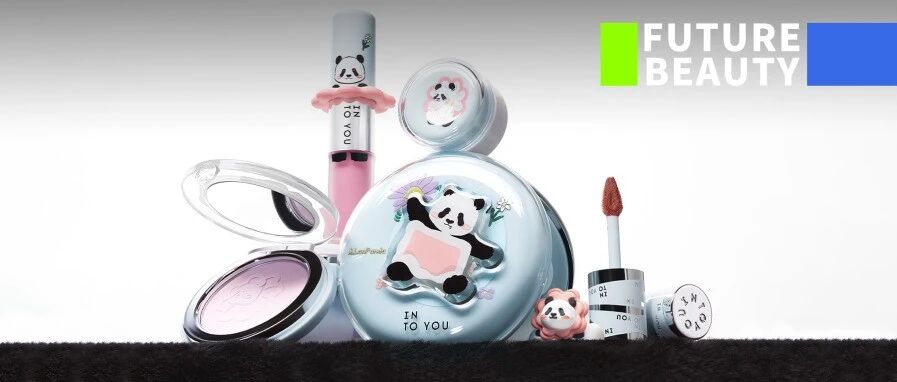
Core Viewpoint - The globalization of Chinese beauty brands has reached a new turning point, shifting from a focus on single products or channels to a brand system-centric approach, emphasizing long-term brand recognition and memory retention [3][4][6]. Group 1: INTO YOU's Globalization Strategy - INTO YOU's recent launch of the "M.LanPanda" collaboration marks a significant step in its global strategy, indicating a transition towards brand identity and long-term recognition [3][4][11]. - The brand's strategy highlights a departure from traditional paths, focusing on product strength as an entry point and brand power for differentiation [8][10]. - The collaboration with the globally recognized Chinese IP "Panda" serves as a universal interface for brand globalization, maintaining consistency across different cultural contexts [10][11]. Group 2: Product Development and Market Adaptation - INTO YOU has established a robust product innovation framework, addressing consumer pain points in the Chinese lip makeup market and creating a new category with its "Lip Mud" series [13][16]. - The brand's product line has expanded to include over 200 SKUs, covering various makeup needs and adapting to local markets, such as introducing bagged lip mud for Southeast Asia's humid climate [16][18]. - This systematic approach to product development has allowed INTO YOU to maintain brand recognition and adaptability in diverse cultural markets [18][29]. Group 3: Brand Identity and Marketing Strategy - INTO YOU's brand identity is characterized by a consistent aesthetic and visual system, which has enabled it to integrate into local beauty retail environments effectively [18][19]. - The brand's collaboration strategy focuses on enhancing brand recognition rather than merely adding cultural attributes, using IP as a tool to reinforce its identity as a "color expert" [22][29]. - The structured approach to ambassador partnerships has aligned with product launches, creating a cohesive narrative that connects personalities, emotions, and colors [25][27]. Group 4: Market Expansion and Performance - Since its initial overseas expansion in 2021, INTO YOU has successfully penetrated 49 countries, with nearly 1,500 offline stores and overseas sales exceeding 150 million yuan [30][31]. - The brand's growth in emerging markets, such as Vietnam, has been driven by localized product adaptation and effective channel collaboration, achieving top rankings in online sales [32][34]. - In mature markets like Japan, INTO YOU has entered mainstream retail systems, validating its brand capabilities and providing a foundation for future regional expansion [33][34]. Group 5: Recognition and Cultural Integration - INTO YOU has received multiple awards in overseas markets, validating its product quality and enhancing its credibility in high-barrier retail channels [34][36]. - The brand's participation in international cultural events, such as MAMA and New York Fashion Week, has increased its visibility and established connections with global youth culture [37][39]. - The brand's recognition as an outstanding cross-border brand at the Shanghai Import Expo signifies its successful integration into the global market [40]. Group 6: Conclusion on Brand Evolution - INTO YOU's journey from "product export" to "brand export" reflects a new phase in the globalization of Chinese beauty brands, emphasizing systematic brand building as a core strategy for long-term success [42].
福州首家市内免税店亮相
Xin Lang Cai Jing· 2025-12-21 21:43
Core Viewpoint - The "Shopping in China · All Fujian Shopping" inbound consumption carnival aims to create new consumption scenarios and promote the deep integration of commerce, culture, and tourism in Fujian, showcasing the province's vitality and charm in opening up to the outside world [1][2] Group 1: Inbound Consumption Promotion - Expanding inbound consumption is a key measure for deepening opening up and boosting consumption, as well as creating new consumption scenarios and nurturing new growth points [1] - Fujian has implemented several substantial policies to promote inbound consumption, including the "Measures for Facilitating Inbound Consumption for Foreign Visitors" introduced in July, which optimizes the entire process of inbound consumption from payment convenience to service enhancement [1] - From January to November, the number of tax refund stores in the province increased to 320, with nearly 200 "immediate refund" stores, indicating the gradual effectiveness of these policies [1] Group 2: New Retail and Consumption Services - Fujian has established a "duty-free + tax refund" dual-driven consumption service system to enhance shopping convenience for inbound travelers [2] - The opening of the first city duty-free store in Fuzhou on December 18 marks a significant step in creating an international consumption platform, utilizing a new retail model that combines "duty-free + taxable," "imported + domestic," and "offline + online" [2] - The event featured various local product exhibition areas, showcasing distinctive public brands and local goods, facilitating the international market entry of traditional brands and high-quality domestic products [2] Group 3: Comprehensive Consumption Promotion Platform - The "Shopping in China · All Fujian Shopping" theme has successfully created a comprehensive consumption promotion platform through collaboration among government, enterprises, and the market [2] - The carnival serves as a concentrated display of Fujian's efforts to promote consumption, stabilize foreign trade, and expand openness, while also adapting to consumption upgrade trends and connecting with international markets [2]