老年食堂服务

Search documents
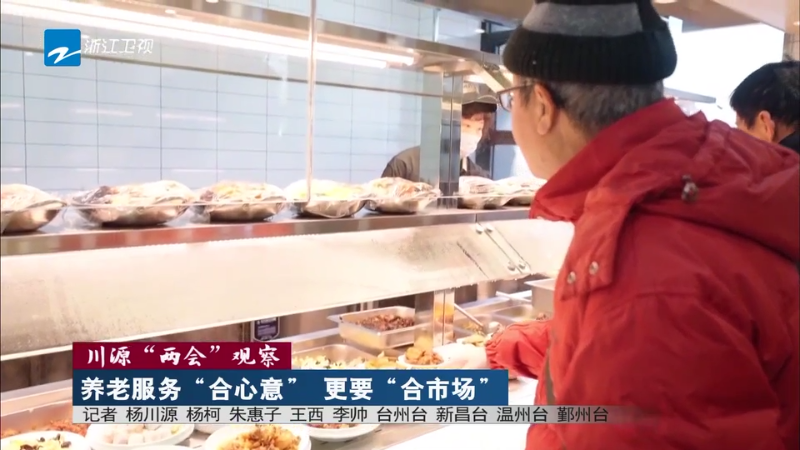
川源“两会”观察 | 养老服务 “合心意” 更要“合市场”
Xin Lang Cai Jing· 2026-01-16 13:38
Group 1 - The government work report emphasizes the development of home and community-based medical and nursing services, addressing the needs of nearly 15 million elderly residents in Zhejiang Province [1][18] - In the past five years, Zhejiang has established over 12,000 elderly meal assistance points, with a focus on upgrading nearly 700 elderly canteens to community canteens [9][24] - Community leaders are actively engaging local businesses and organizations to enhance service offerings and attract more resources [7][22] Group 2 - There has been a significant completion of over 200,000 home modifications for elderly suitability, with a product catalog expanding to 70 different types [14][29] - The sustainability of elderly meal services relies on a combination of government subsidies, donations from caring individuals, and volunteer efforts [11][26] - The approach to elderly care is seen as a systemic issue, requiring the attraction of social capital and market-oriented operations to ensure effective service delivery [16][31]

从“养老”到“身后” 杭州绘就全周期民生画卷
Hang Zhou Ri Bao· 2025-12-16 02:15
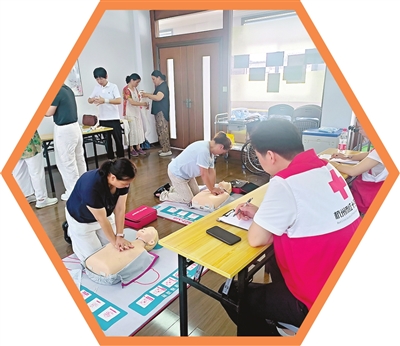
Core Insights - The article highlights the efforts of Hangzhou's civil affairs system in enhancing elderly care services, focusing on training dual-certified caregivers and improving meal services for the elderly [12][14][22] Group 1: Training and Development - Hangzhou aims to address the shortage of dual-certified caregivers by training 1,500 new professionals, with 1,730 already trained by October 2023, exceeding the annual target [14][16] - The training program emphasizes both elderly care and emergency rescue skills, ensuring caregivers are well-equipped to handle emergencies [14][16] Group 2: Meal Services Improvement - The city has renovated 110 elderly meal service points, achieving a completion rate of 110%, and has introduced a new policy for categorized elderly meal services [17][18] - The focus is on providing nutritious meals at affordable prices, with community meal services covering over 95% of villages [17][18] Group 3: Digital Empowerment - The "Smart Funeral" initiative has streamlined the process of handling post-death affairs, processing 286,000 cases with a 100% digital collaboration rate [19][22] - This initiative integrates data from various departments to simplify the process for families, showcasing a significant advancement in digital governance [19][22] Group 4: Integrated Services - Hangzhou has enhanced 76 community service complexes, achieving a completion rate of 152%, creating a network that connects services across different levels [21][22] - The integrated service model includes basic and specialized services, ensuring comprehensive coverage for the elderly and other community members [21][22]
走进浙江最年轻城区:产业新城如何写“厚”民生文章?
Zhong Guo Xin Wen Wang· 2025-12-04 08:36
Core Viewpoint - The article highlights the successful development of Qiantang District in Hangzhou, Zhejiang, which balances high-quality economic growth with improvements in public services and living standards, showcasing innovative approaches to address both economic and social needs [2]. Group 1: Economic Development - Qiantang District has transformed into a "hexagonal warrior" of economic development by upgrading traditional industries, expanding the digital economy, and seizing opportunities in future industries over the past five years [2]. - The district was established as one of the youngest urban areas in Zhejiang following the administrative adjustments in 2021, and it operates under a "district-government integration" model [2]. Group 2: Public Service Improvement - Qiantang has made significant strides in enhancing public service quality, exemplified by the innovative "nap" program in schools, which has evolved from basic sleeping mats to advanced sleeping facilities, benefiting 57,000 students in 2023 [5][6]. - The district allocated over 5.7 million yuan in 2023 to support the purchase of nap equipment, reflecting a commitment to improving educational services [6]. Group 3: Social Welfare and Living Standards - The establishment of 35 senior dining halls and 30 meal assistance points has served 445,000 elderly individuals, demonstrating Qiantang's focus on basic social welfare [4]. - Qiantang has built a comprehensive network of elderly care facilities, including 94 home care service centers and 324 family care beds, ensuring full coverage of community-based elderly care [4]. Group 4: Employment and Housing - The district has fostered rural development through initiatives like the "farmer entrepreneur" program, which has created over 500 jobs and supported more than 20 live-streaming teams [8][9]. - Since 2021, Qiantang has constructed 29 public rental housing projects, totaling 22,274 units, and 48 affordable rental housing projects, totaling 51,082 units, addressing the housing needs of industrial workers [9].

多元服务、全域覆盖,北京大兴把养老服务搬到“家门口”
Bei Jing Shang Bao· 2025-07-23 10:34
Core Insights - The article highlights the transformation of the elderly care service system in Daxing District, Beijing, from a single care model to a comprehensive service network, reflecting the ongoing improvement of the city's elderly care services [1][3]. Summary by Sections Service Transformation - Daxing District is developing a "district-level three-tier elderly care service network" with the completion of upgrades to five regional elderly care centers by 2024 and three more centers passing preliminary inspections by 2025 [1][6]. - The service model has shifted from basic care to a comprehensive service approach, integrating various services such as meal provision, medical rehabilitation, cultural activities, and community engagement [3][4]. Community Engagement - The regional elderly care center has effectively supported 27 elderly service stations, providing an average of 12,000 meal services per month and reaching 68,000 elderly individuals [3][6]. - The community restaurant serves around 150 meals daily, with subsidized meal options for seniors, enhancing accessibility to nutritious food [4][6]. Infrastructure and Resource Management - The "district-level three-tier elderly care service network" is structured with a guiding center at the district level, regional service centers, and community service stations to ensure services are close to the elderly [6][8]. - A resource-sharing mechanism has been established to support community service stations, allowing for efficient communication and response to the needs of the elderly [8]. Future Developments - By the second half of 2025, the new regional elderly care centers are expected to benefit over 40,000 elderly individuals, with plans to extend services to rural areas [6][8]. - The district-level elderly care demonstration center will also be operational by late 2025, aiming to provide diverse services directly to the homes and communities of the elderly [8].
点赞!杭州养老民生实事半年度成绩单来了
Hang Zhou Ri Bao· 2025-07-14 03:28
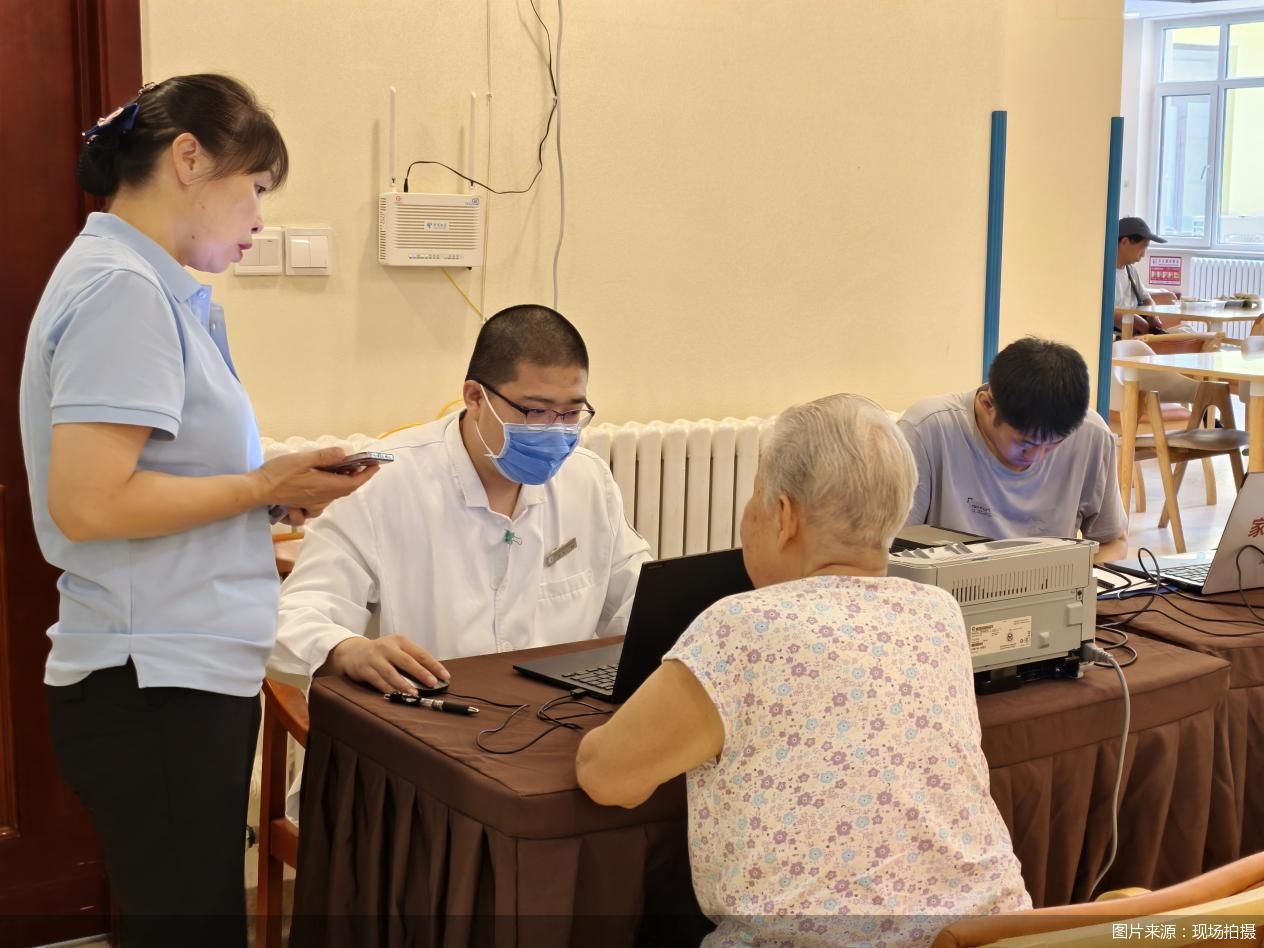
Core Insights - The article highlights the ongoing improvements and expansions in elderly meal services in Hangzhou, emphasizing the city's commitment to enhancing the quality of life for senior citizens through community dining options [3][4]. Group 1: Elderly Meal Services - The "Sunset Red Elderly Meal Service" has gained popularity, attracting younger visitors who come from afar to enjoy the meals and share their experiences on social media [3]. - As of now, over 2,300 elderly meal service points have been established in Hangzhou, allowing seniors to enjoy convenient dining options close to home [3]. Group 2: Government Initiatives - In March, the Hangzhou government released implementation opinions aimed at promoting sustainable development of urban and rural elderly meal services, which are part of the city's civil service projects [3]. - The city has set a target to upgrade and renovate 100 elderly meal service points this year, with 34 already completed as of June, reflecting a project progress of 70.25% [4]. - Additional initiatives include the establishment of 800 new beds in cognitive impairment care areas and the training of over 1,100 dual-certified caregivers, with some districts exceeding their targets [4].