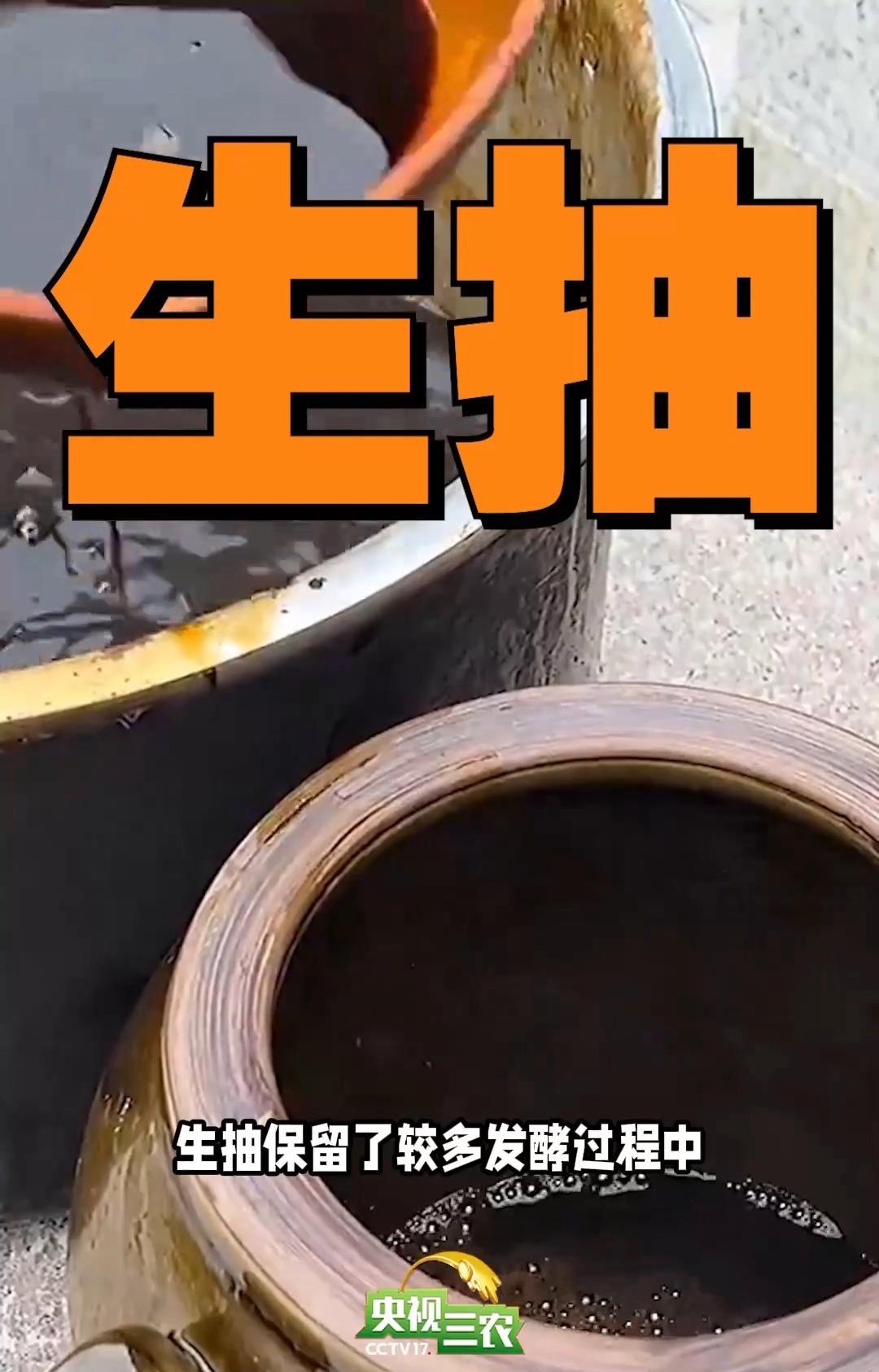
老抽

Search documents
挑选酱油,别再被这些文字游戏忽悠了!
Xin Hua Wang· 2026-01-14 03:44
Core Insights - Soy sauce has evolved from a simple seasoning to a diverse product with various types and labels, making selection challenging for consumers [1] Group 1: Key Indicators for Choosing Soy Sauce - Three critical indicators to consider when selecting soy sauce are amino acid nitrogen content, sodium content, and production method [2][3] - Amino acid nitrogen is essential for flavor and quality, with higher levels indicating better taste; the national standard specifies that for every 100 milliliters of soy sauce, grade three should have ≥0.4 grams, grade two ≥0.55 grams, grade one ≥0.7 grams, and special grade ≥0.8 grams [3] - Sodium content is crucial for health, as excessive intake can increase hypertension risk; consumers are advised to choose "low sodium" options and control usage, especially for those with high blood pressure [3] Group 2: Types of Soy Sauce and Their Uses - Different types of soy sauce serve specific culinary purposes: light soy sauce is suitable for cold dishes and enhancing flavor, while dark soy sauce is used for coloring in braised dishes [5][6] - Functional soy sauces, such as "flavor-enhanced" or "mushroom soy sauce," contain added ingredients for specific flavors, while "zero-additive" soy sauces lack preservatives but may not have lower sodium content [6] Group 3: Guidelines for Special Populations - For children, it is essential to control soy sauce intake, with recommendations against consumption for infants under one year; "children's soy sauce" often lacks standardized sodium content [8] - Individuals with hypertension should prioritize low-sodium soy sauce, while those with diabetes should consume soy sauce in moderation and check for added sugars in the ingredient list [8] Group 4: Storage and Common Misconceptions - Proper storage of soy sauce includes keeping unopened bottles in a cool, dark place and refrigerating low-sodium or zero-additive varieties after opening; any signs of spoilage should lead to disposal [10] - A common misconception is that using soy sauce eliminates the need for additional salt in cooking; due to varying salt levels in different soy sauces, careful adjustment is necessary to avoid excessive sodium intake [10] Group 5: Label Insights - Consumers should focus on key information on soy sauce labels and not be misled by marketing terms like "special brew" or "first press"; a simple ingredient list with high-quality core indicators is essential for selecting good soy sauce [11]
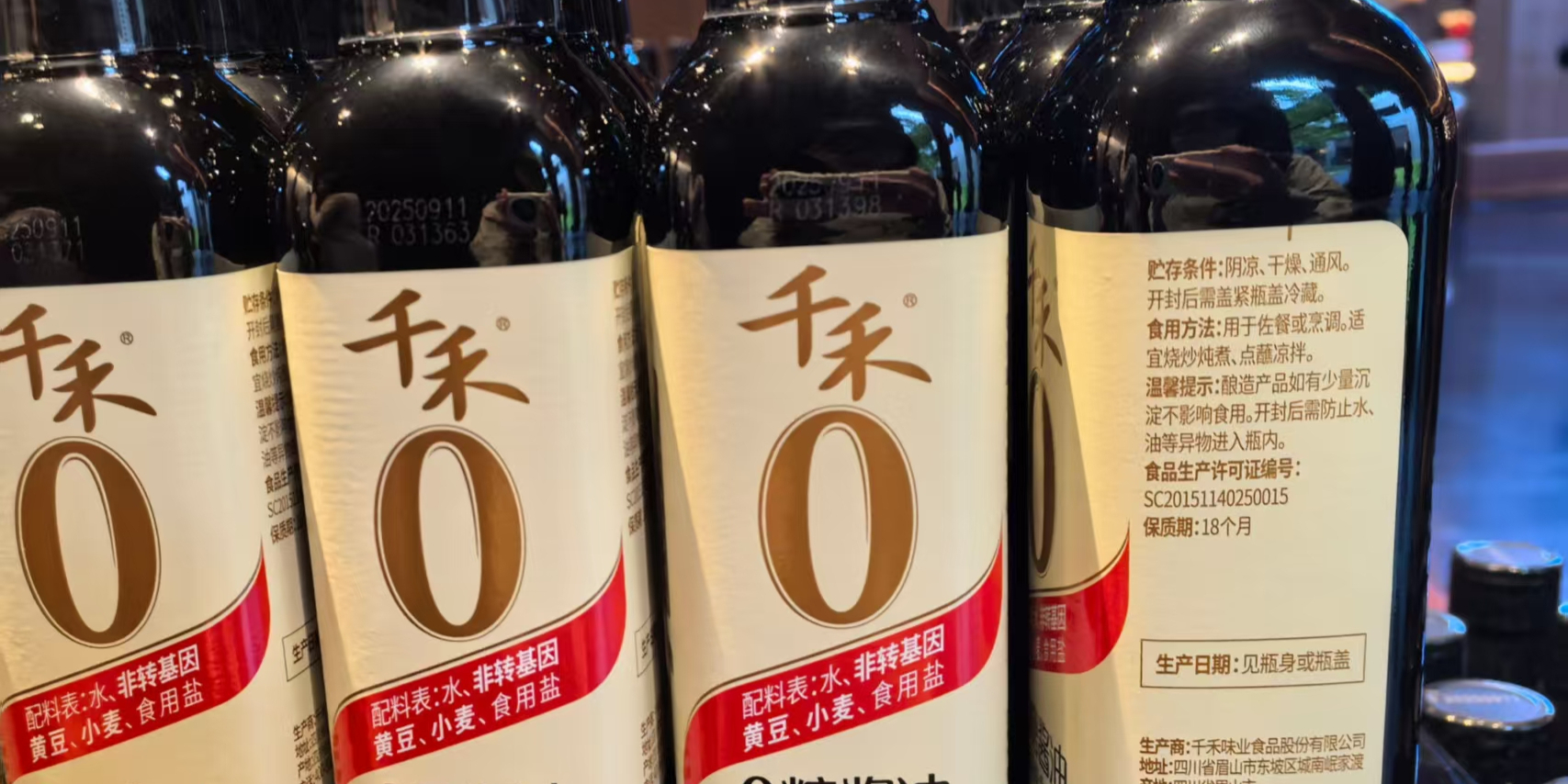
千禾味业已调整完“0系列”酱油标签
Jing Ji Guan Cha Wang· 2025-10-31 14:33
Core Viewpoint - Q3 performance of Qianhe Flavor Industry shows a decline in revenue and net profit, but the rate of decline has improved compared to the first half of the year [2] Financial Performance - In Q3, Qianhe Flavor Industry reported revenue of approximately 669 million yuan, a year-on-year decrease of 4.3% - Net profit attributable to shareholders was about 86.34 million yuan, down 14.6% year-on-year - Compared to H1, where revenue decreased by 17.07% and net profit by 30.81%, the decline in Q3 shows signs of stabilization [2] Product and Packaging Changes - As of the end of September, the "Qianhe 0" series soy sauce products have undergone packaging optimization and upgrades, with new packaging to be used for future production [3] - The new packaging will prominently display the ingredient list on the front, addressing previous consumer concerns about misleading labeling [6] Market Position and Competition - The chairman of Qianhe Flavor Industry emphasized the trend towards clean and natural ingredients in products, amidst fierce competition in the zero-additive condiment segment [4] - Qianhe's product categories include soy sauce, vinegar, cooking wine, and oyster sauce, with soy sauce being the largest category, accounting for 64% of total revenue [4] Channel Strategy - Qianhe has partnered with major retailers like Walmart and Yonghui to launch customized products, enhancing product quality standards [5] - Walmart has removed products with amino acid nitrogen content below 1.0g/100mL from its shelves, reinforcing quality control in collaboration with Qianhe [5] Industry Comparison - In Q3, competitor Haitian Flavor Industry reported revenue of approximately 6.398 billion yuan, a year-on-year increase of 2.48%, and net profit of about 1.408 billion yuan, up 3.4% - Another competitor, Zhongju High-tech, saw a revenue decline of 22.84% and a net profit drop of 45.66% in the same period [7]


老抽和生抽的“抽”是什么意思,哪个更咸?
Qi Lu Wan Bao· 2025-07-23 03:01
Group 1 - The article discusses the historical development and production process of soy sauce in China, tracing its origins back over 3,000 years to the use of fresh meat or fish to create various sauces, known as "醢" [3] - Soy sauce is made from raw materials such as soybeans and wheat, undergoing a complex process of steaming, koji making, and fermentation, where microorganisms break down proteins to produce flavorful compounds [3] - The extraction process of soy sauce involves multiple stages, with the first extraction called "头抽" (first extract), followed by "二抽" (second extract) and "三抽" (third extract), leading to different types of soy sauce [3][6] Group 2 - "生抽" (light soy sauce) is produced by mixing the first, second, and third extracts, retaining more natural flavors from the fermentation process, and is commonly used to enhance the taste in cooking [6] - "老抽" (dark soy sauce) is made from the remaining mash after the first extraction, undergoing secondary fermentation and often enhanced with caramel color for richer flavor and color, making it suitable for dishes like braised foods [6] - Generally, light soy sauce has a higher salt content and a saltier taste, while dark soy sauce is thicker and richer, enhancing both the appearance and taste of food when used in cooking [6]