
耳温枪)

Search documents
水银体温计禁产前夕:99元一支背后的市场狂欢与理性反思
Sou Hu Cai Jing· 2025-12-13 19:53
Core Viewpoint - The impending ban on mercury thermometers by January 1, 2026, has triggered a market frenzy, with prices skyrocketing and shortages occurring, reflecting public anxiety over health safety and reliance on traditional medical tools [1][3]. Online Market - E-commerce platforms have seen a dramatic price surge for mercury thermometers, with basic models increasing from 4-10 yuan to 17-33 yuan, and some retailers offering bundles at prices exceeding 20 yuan per unit [3] - Reports indicate that some stores have run out of stock, with one shop stating they might not restock, while another experienced a surge of 3,000 orders in a single day [3]. Offline Market - Physical pharmacies are facing inventory shortages, with many stores having fewer than 10 units available, and prices rising from a few yuan to over 10 yuan [3] - The combination of the ban announcement and a flu outbreak has driven demand, but manufacturers have ceased production, complicating restocking efforts [3]. International Regulations - The ban on mercury thermometers is a result of China's commitment to the Minamata Convention on Mercury, which mandates the prohibition of mercury-containing thermometers and sphygmomanometers starting January 1, 2026 [5]. - The National Medical Products Administration has set a deadline for the validity of medical device registration certificates, emphasizing the urgency of transitioning away from mercury products [5]. Toxicity of Mercury - Mercury is a hazardous substance that can cause severe health issues, including neurological damage and developmental problems in children and fetuses [6]. - A standard mercury thermometer contains about 1 gram of mercury, which can significantly increase indoor mercury levels if broken, posing a global health threat [6]. Rise of Alternative Technologies - The market is witnessing a shift towards electronic and non-mercury thermometers, driven by both policy and technological advancements [7]. - Despite the availability of electronic thermometers with strict accuracy standards, some consumers still prefer mercury thermometers due to perceptions of precision and reliability [7]. - Retailers are exploiting the situation by creating urgency through marketing tactics, leading to inflated prices and misinformation [7]. Supply Chain Disruptions - Domestic production of mercury thermometers has halted, with remaining stock primarily being sold off [8]. - The transportation of mercury thermometers is complicated by regulatory requirements, leading to increased costs and limited availability in remote areas [8]. Consumer Behavior - Consumers are encouraged to move away from reliance on traditional mercury thermometers and adopt safer, scientifically validated alternatives [9]. - Recommendations include using electronic thermometers for home use and infrared devices for public screenings, emphasizing safety and efficiency [9]. Retailer Responsibilities - Retailers are urged to comply with medical device regulations and avoid practices that could mislead consumers or inflate prices [10]. - Regulatory bodies are called to enhance oversight to ensure fair market practices and protect consumer interests [10]. Policy Recommendations - The government is advised to develop a comprehensive strategy for transitioning to alternative measurement devices, ensuring accessibility for all demographics [11]. - Establishing a recycling and safe disposal system for mercury thermometers is crucial to mitigate environmental impacts [11]. Alternative Products - Electronic thermometers dominate the market, accounting for over 70% of sales, with prices ranging from 10-20 yuan [12]. - Non-mercury glass thermometers and infrared devices are also available, though their market share remains limited [12].

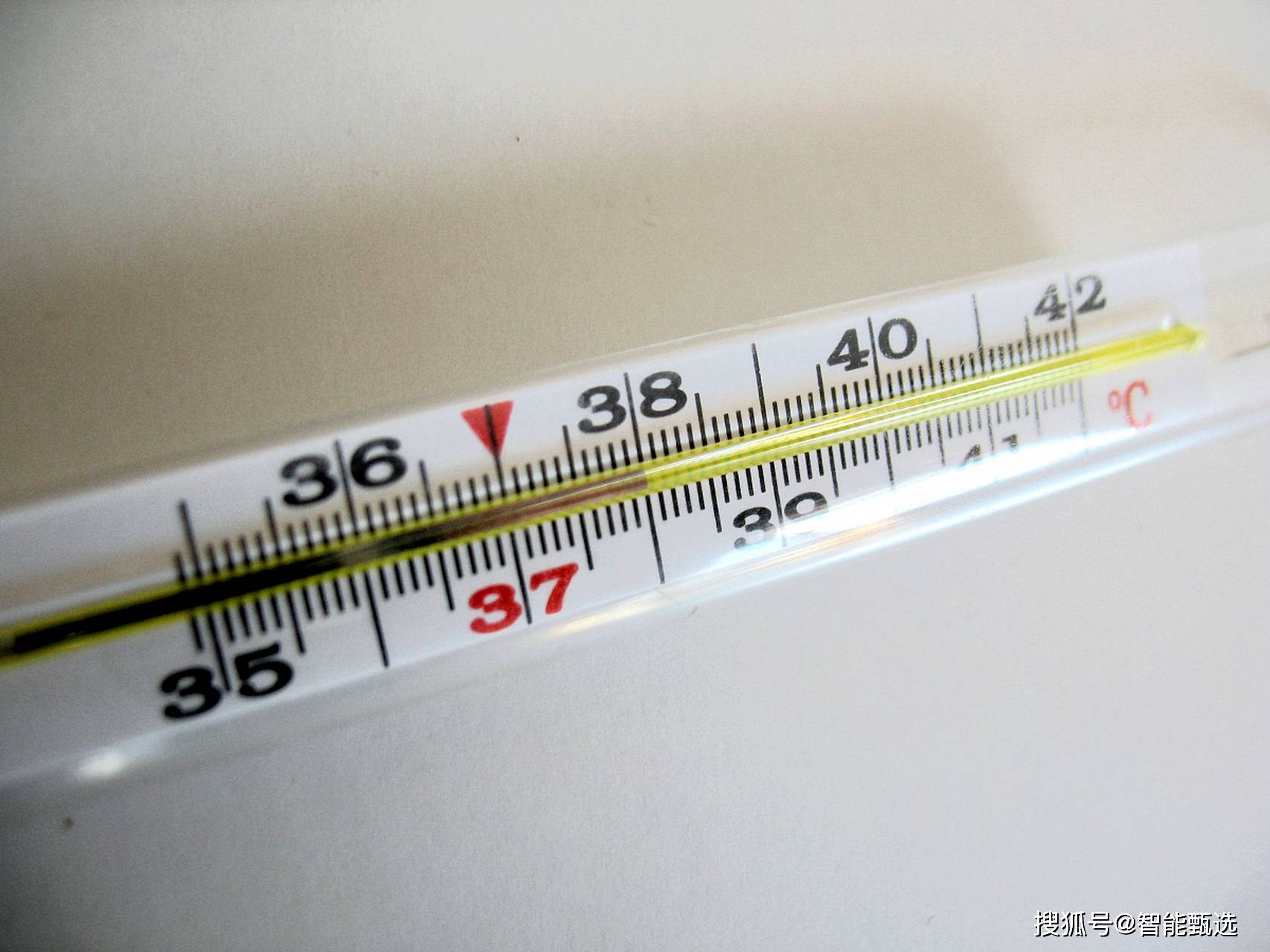
水银温度计面临停产引发哄抢 多地断货涨价 替代产品怎么选?
Xin Lang Cai Jing· 2025-12-11 11:17
Core Viewpoint - The surge in demand for mercury thermometers is driven by the upcoming national policy that will ban the production of mercury thermometers starting January 1, 2026, leading to widespread stock shortages and price increases [1][19]. Group 1: Market Reaction - Many consumers are stockpiling mercury thermometers, with reports of individuals purchasing up to 100 units at once due to fears of future unavailability [1][22]. - Physical stores in cities like Hangzhou are experiencing inventory shortages, with pharmacy staff noting that customers prefer mercury thermometers for their accuracy and low cost compared to electronic alternatives [19]. - Online platforms such as Taobao, JD.com, and Pinduoduo show multiple listings for mercury thermometers marked as "sold out" or "out of stock," with some stores reporting a surge in inquiries and sales, with weekly sales increasing by over ten times [5][21]. Group 2: Price Dynamics - The price of mercury thermometers has reportedly increased nearly tenfold, with some consumers noting that they previously purchased these thermometers for around 4 yuan, which have now risen to over 30 yuan [15][22]. - A specific online store reported that the price of mercury thermometers has surged significantly, reflecting the heightened demand and limited supply [5][22]. Group 3: Regulatory Background - The ban on mercury thermometers is part of China's commitment to the Minamata Convention on Mercury, with the National Medical Products Administration announcing the prohibition back in 2020, allowing ample transition time for consumers and the market [16][34]. - Experts highlight the health and environmental risks associated with mercury, noting that a single thermometer contains about 1 gram of mercury, which can pose serious health hazards if broken [16][33]. Group 4: Alternatives and Recommendations - As mercury thermometers are phased out, infrared thermometers and electronic thermometers are becoming the mainstream alternatives, with experts advising consumers to monitor temperature changes consistently using the same device for reliable results [18][36]. - Recommendations for selecting alternative products emphasize the importance of following operational guidelines to ensure accurate measurements [36].
