肉卷

Search documents
全链发展提质效 品类拓展促增收——黑龙江定制农业发展一线观察
Xin Hua She· 2026-01-22 03:23
Core Viewpoint - The development of customized agriculture in Heilongjiang Province is a powerful approach to cultivate new agricultural productivity, leveraging its fertile land resources to create a personalized agricultural product supply system from farm to table, thus injecting new momentum into high-quality agricultural development [1] Group 1: Customized Agriculture Development - Heilongjiang Province is advancing customized agriculture to enhance agricultural productivity, focusing on creating a personalized supply system for agricultural products [1] - The company Qiaofu Dadi Agricultural Co., Ltd. has a rice planting base covering 240,000 acres, with a customized scale reaching 169,000 acres, serving clients from various regions [1][2] - The company employs innovative ecological farming practices, such as raising ducks in rice fields, to ensure high-quality rice production [1] Group 2: Value Addition and Consumer Engagement - The company has established a "Rice Town" educational base that integrates rice field sightseeing, farming experiences, and educational courses, enhancing the value of rice by over 40% through customer engagement [2] - Customized agriculture has expanded into livestock farming, with companies like Heizun Cattle (Heilongjiang) Industry Management Group providing tailored services to meet diverse consumer needs [2] Group 3: Economic Impact and Growth - The development of customized agriculture is contributing to rural revitalization, with projections indicating that the expansion of greenhouse facilities will lead to an increase in income exceeding 20 million yuan for local communities [3] - By 2025, Heilongjiang aims to have 310 customized agriculture entities, with a planting base area of 1.387 million acres and sales revenue reaching 5.05 billion yuan, reflecting significant growth [3] Group 4: Government Support and Future Plans - The Heilongjiang provincial government has introduced a three-year action plan to promote high-quality development in customized agriculture, ensuring standardized and regulated industry growth [3][4] - The agricultural sector is transitioning from scattered initiatives to government-supported, large-scale promotion, focusing on various specialty products to enhance efficiency and farmer income [4]
资金链断裂,工厂停工,高管跑路……河南冻品龙头停产风波始末,冻品生意何以越来越难做?
3 6 Ke· 2025-11-13 06:07
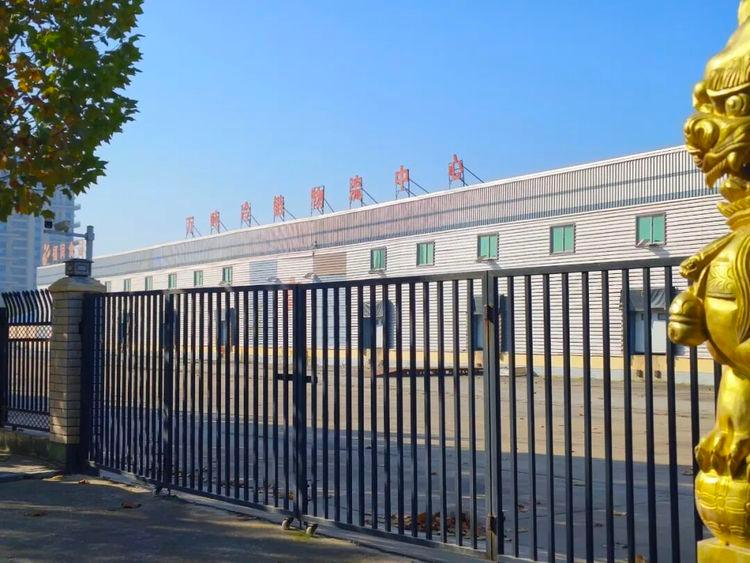
Core Viewpoint - Furen Food is facing severe operational challenges, including factory shutdowns, executive departures, and legal issues, leading to a potential collapse of the once-thriving frozen food company [1][4][5]. Group 1: Operational Issues - Furen Food's factory in Niling County is reportedly inactive, with no shipments or workers present, indicating a complete halt in operations [2][4]. - The company has seen a significant turnover in its management, with key executives leaving as early as 3-4 months prior to the current crisis [2][4]. - The chairman, Zhang Yaowen, has been listed as a person subject to enforcement by the court, with the company facing over 2.25 million yuan in legal claims from January to October 2025 [2][5]. Group 2: Financial Distress - Furen Food's bank accounts may be frozen, and the company is at risk of asset liquidation due to unpaid debts to suppliers and distributors [4][5]. - Reports indicate that the company has been unable to pay employee salaries, leading to a significant number of staff being forced to take unpaid leave [2][4]. Group 3: Company Background - Established in 2004, Furen Food is a subsidiary of Henan Guiyou Industrial Group and has a diverse product line in the frozen food sector, including dumplings, pastries, and meat products [6][7]. - The company once achieved annual sales exceeding 100 million yuan and was recognized as a key agricultural enterprise in Henan province [6][7]. Group 4: Expansion and Market Challenges - Furen Food attempted various expansion projects, including overseas investments in agricultural resources, which ultimately did not yield expected returns and strained financial resources [9][10]. - The company has faced increasing competition and market challenges, including a slowdown in consumer demand for frozen foods and aggressive price wars within the industry [11][13].