
育儿

Search documents
阿姨来了4000余名家政员在京留守岗位
Bei Jing Shang Bao· 2026-02-12 06:34
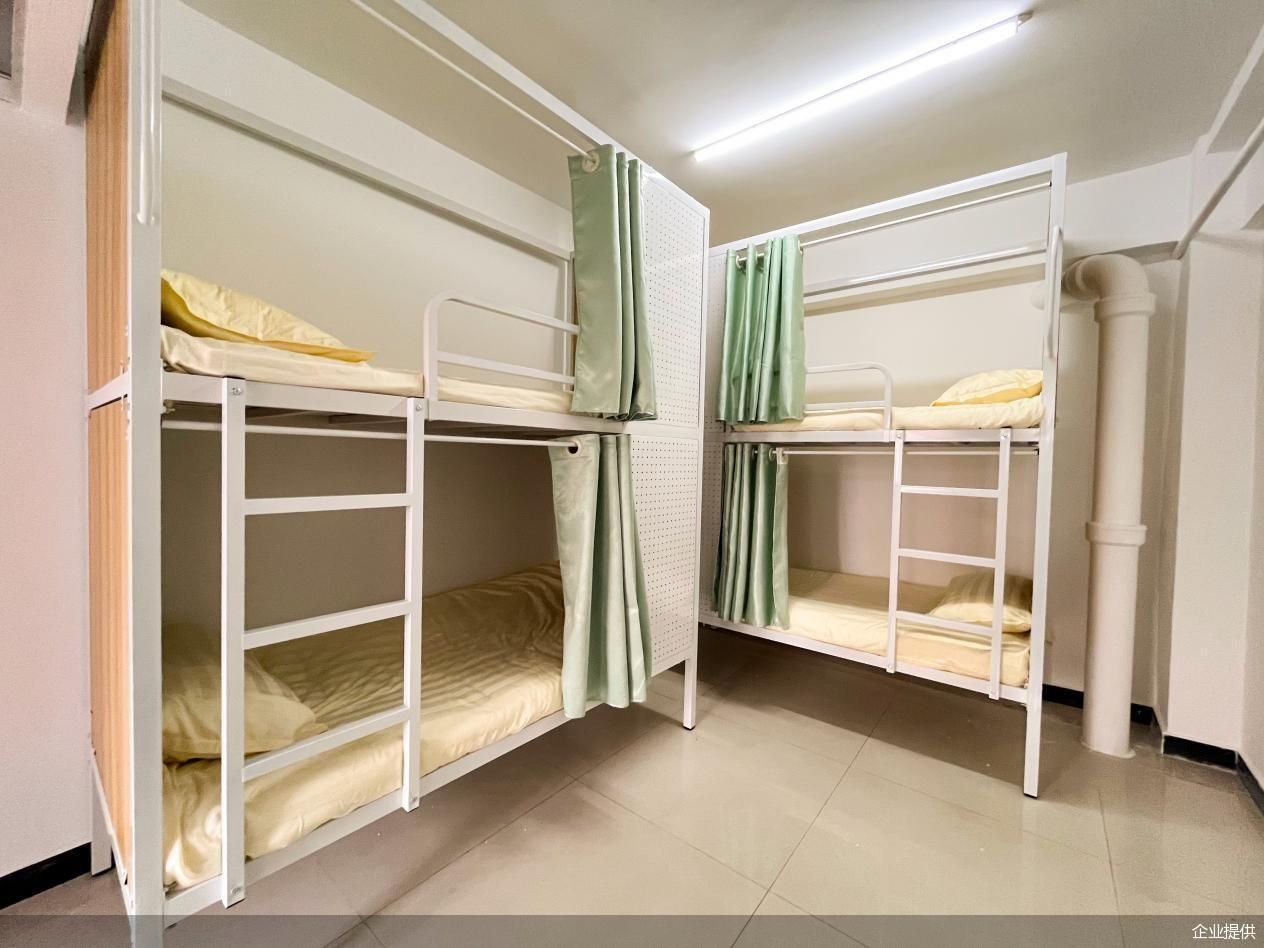
Core Insights - The company "Ayi Lai Le" has maintained a workforce of over 6,000 domestic service workers across major cities including Beijing, Shanghai, and Shenzhen during the Spring Festival, ensuring service coverage in various categories such as maternal care, childcare, elderly care, and household chores [1][3] Group 1 - During the Spring Festival, 4,000 domestic service workers remained on duty in Beijing to ensure supply for the local market [1] - The company has established a partnership with Chaoyang Jiayuan Property, a subsidiary of Beijing Chaofu State-owned Asset Management Company, to create a facility that addresses the urgent accommodation needs of domestic service workers [3] - The newly built dormitory is designed for convenience, featuring essential amenities such as air conditioning, wardrobes, and shared kitchen and bathroom facilities, improving the living conditions for service workers [3] Group 2 - To ensure sufficient staffing and high service quality during the holiday, the company proactively recruited domestic workers and formed a special team for Spring Festival supply, implementing one-on-one recall of workers and arranging health check-ups and accommodations [3] - The company has introduced incentive policies such as "bring someone and receive a red envelope" to encourage domestic workers to take staggered vacations, ensuring a robust reserve of service personnel [3] - Ayi Lai Le has arranged free transportation for domestic workers returning to work after the holiday, scheduled for the 15th day of the lunar new year, to facilitate a smooth transition back to work [3]

提高供给品质激发消费需求
Jing Ji Ri Bao· 2025-09-07 22:13
Core Insights - The Ministry of Finance, in collaboration with relevant departments, has launched two subsidy policies aimed at personal consumption loans and service industry loans, targeting both consumer demand and service supply to stimulate consumption and improve livelihoods [1][2] - The policies are designed to create a long-term mechanism for a virtuous cycle of supply and demand, addressing current pain points in the consumption market while meeting the growing needs of the population for a better quality of life [1][2] Group 1: Policy Implementation - The subsidy policies will provide financial support to service industry entities, particularly small and medium-sized enterprises and individual businesses, which are significantly affected by financing costs, credit support scale, and cash flow stability [1][2] - The policies aim to enhance service supply quality, enabling businesses to invest in advanced medical equipment, improve service personnel training, and upgrade infrastructure in tourism, thereby offering higher quality services to consumers [1][2] Group 2: Demand Creation - Improving service quality is essential for stimulating and creating consumer demand, as better service experiences can lead to increased consumer willingness to spend and expand market size [2][3] - The virtuous cycle created by these policies will allow businesses to achieve better returns, which in turn enhances their motivation and capacity for further innovation and supply improvement [2][3] Group 3: Effective Utilization of Funds - To ensure that the policy benefits translate into market vitality, there is a need for precise implementation and effective supervision, ensuring that subsidy loans are directed towards enhancing service supply capabilities [2] - Financial institutions must prevent misuse of funds and ensure that the subsidy is used for technological upgrades, talent training, and innovative models rather than merely expanding scale [2]