
养老

Search documents
贝莱德建信理财换帅在即:总经理张鹏军将离任
2 1 Shi Ji Jing Ji Bao Dao· 2026-02-27 13:46
Core Insights - The general manager of BlackRock China Wealth Management, Zhang Pengjun, is leaving the company for personal reasons, with the business temporarily led by Fan Hua, the head of BlackRock China [1] - BlackRock emphasizes that its strategic focus, partnerships, and long-term commitment to the Chinese market remain unchanged despite the leadership transition [1] Group 1: Company Leadership and Structure - Zhang Pengjun has been with BlackRock for 30 years and joined the group in 2016, becoming a core member of the leadership team in China [1] - BlackRock China Wealth Management was established in 2021 as a joint venture between BlackRock, China Construction Bank, and Temasek, making it the second foreign-controlled wealth management company in China [1][2] - Other key executives at BlackRock China Wealth Management include Deputy General Manager and Chief Investment Officer Liu Rui [2] Group 2: Product Offerings and Market Strategy - BlackRock China Wealth Management has launched eight product series, including fixed income, equity, mixed, pension, and QDII, covering risk levels from R1 to R5 [2] - The company is actively utilizing cross-border investment mechanisms such as QDLP, mutual recognition funds, and QDII to provide domestic investors with quality overseas products [2][3] - BlackRock employs AI and advanced machine learning technologies to enhance stock selection and investment performance in equity investments [3] Group 3: Investment Solutions and Customization - BlackRock's investment philosophy emphasizes diversified asset allocation, with products like fixed income+ and multi-asset reflecting this approach [3] - The company aims to provide customized solutions for both outbound funds and domestic asset allocation needs, leveraging a strengthened team with talent from large institutions [3]




又有外资理财公司总经理 将离任!
Zhong Guo Ji Jin Bao· 2026-02-26 13:55
Core Viewpoint - Zhang Pengjun, the General Manager of BlackRock Jianxin Wealth Management, is leaving the company for personal reasons, with Fan Hua, the head of BlackRock China, temporarily taking over the leadership of the business [1][2]. Group 1: Company Leadership Changes - Zhang Pengjun has served as the General Manager for five years, during which BlackRock Jianxin Wealth Management has seen steady development and solid business progress [1]. - Fan Hua, who will temporarily lead the business, has been appointed to ensure smooth governance, business execution, and external communication during this transition [1][2]. - Zhang Pengjun has a 30-year experience in finance and joined BlackRock in 2016, becoming a core member of the leadership team in China [2]. Group 2: Business Development and Strategy - BlackRock Jianxin Wealth Management was established in 2021 as a joint venture between BlackRock, China Construction Bank, and Temasek, making it the second foreign-controlled wealth management company in China [2]. - The company has launched eight product series, including fixed income, equity, mixed, pension, and QDII, covering risk levels from R1 to R5 [2]. - The firm was the first foreign-controlled joint venture to participate in the pilot program for pension wealth management products in 2022 [2]. Group 3: Market Insights and Future Outlook - Fan Hua emphasized the importance of adjusting return expectations in a low-interest-rate environment and the need for investors to increase their capacity for short-term volatility to achieve better long-term returns [3]. - There is a growing demand among Chinese investors for global asset allocation, and foreign investment interest in the Chinese market is also increasing [3]. - BlackRock aims to leverage its research and risk management capabilities while adapting to the characteristics of the Chinese market to enhance the investment experience for clients [3].
华宸讲“防非”之非法金融活动最高检典型案例
Xin Lang Cai Jing· 2026-02-25 07:37
Core Viewpoint - The article highlights the prevalence and dangers of illegal financial activities, emphasizing the need for awareness and prevention measures to protect individuals and the economy from financial fraud [3][17]. Group 1: Definition of Illegal Financial Activities - Illegal financial activities refer to actions that violate national laws and regulations, engaging in financial business or providing financial products or services without approval or beyond permitted scope [3][17]. Group 2: Common Methods of Illegal Financial Activities - Illegal fundraising often masquerades as "pension services," "virtual currencies," or "high-yield investments," luring investors with promises of "zero risk and high returns," ultimately using new investors' funds to pay old investors, leading to abrupt exits when the funding chain breaks [4][18]. - Online lending scams involve fake P2P platforms posing as legitimate lending institutions, attracting borrowers with "low thresholds and no collateral," and defrauding them through fees or inflated interest rates [4][18]. - Financial pyramid schemes promote "consumer rebates" or "virtual currency appreciation," requiring participants to pay entry fees and recruit others, creating a hierarchical structure that relies on new recruits for profit, essentially functioning as Ponzi schemes [4][19]. Group 3: Notable Cases of Illegal Financial Crimes - Case 1: From November 2009 to December 2021, a group led by Shen illegally raised over 5.03 billion RMB, with 1.54 billion RMB remaining unpaid. The group promised fixed returns on pension-related investments but continued to solicit funds even after their financial chain collapsed in March 2020 [5][20]. - Case 2: Between January 2014 and July 2020, Wang and associates established fake forex trading platforms, illegally raising over 1.92 billion RMB, with 390 million RMB unpaid at the time of the incident [7][23]. Group 4: Legal Consequences - In December 2023, a Shanghai court sentenced members of the first case to prison terms ranging from nine to sixteen years and imposed fines totaling 5.6 million RMB, with some appealing the decision [6][22]. - In August 2023, a Beijing court sentenced Wang to life imprisonment for fraud, alongside significant sentences for his accomplices, with the ruling becoming final after an appeal was withdrawn [8][24].

阿姨来了4000余名家政员在京留守岗位
Bei Jing Shang Bao· 2026-02-12 06:34
Core Insights - The company "Ayi Lai Le" has maintained a workforce of over 6,000 domestic service workers across major cities including Beijing, Shanghai, and Shenzhen during the Spring Festival, ensuring service coverage in various categories such as maternal care, childcare, elderly care, and household chores [1][3] Group 1 - During the Spring Festival, 4,000 domestic service workers remained on duty in Beijing to ensure supply for the local market [1] - The company has established a partnership with Chaoyang Jiayuan Property, a subsidiary of Beijing Chaofu State-owned Asset Management Company, to create a facility that addresses the urgent accommodation needs of domestic service workers [3] - The newly built dormitory is designed for convenience, featuring essential amenities such as air conditioning, wardrobes, and shared kitchen and bathroom facilities, improving the living conditions for service workers [3] Group 2 - To ensure sufficient staffing and high service quality during the holiday, the company proactively recruited domestic workers and formed a special team for Spring Festival supply, implementing one-on-one recall of workers and arranging health check-ups and accommodations [3] - The company has introduced incentive policies such as "bring someone and receive a red envelope" to encourage domestic workers to take staggered vacations, ensuring a robust reserve of service personnel [3] - Ayi Lai Le has arranged free transportation for domestic workers returning to work after the holiday, scheduled for the 15th day of the lunar new year, to facilitate a smooth transition back to work [3]

一心堂:目前社区与居家养老业务在正常推进中
Zheng Quan Ri Bao Wang· 2026-01-22 07:45
Core Viewpoint - YXTT (One Heart Hall) is actively integrating various services such as medical care, rehabilitation, nursing, elderly care, and health management to expand its business boundaries and build a health and wellness ecosystem in response to supportive tax policies for community family services [1] Group 1 - The six departments have issued tax and fee preferential policies aimed at supporting the development of community family service industries, including elderly care, childcare, and housekeeping [1] - YXTT is currently advancing its community and home-based elderly care business as part of its strategic initiatives [1]

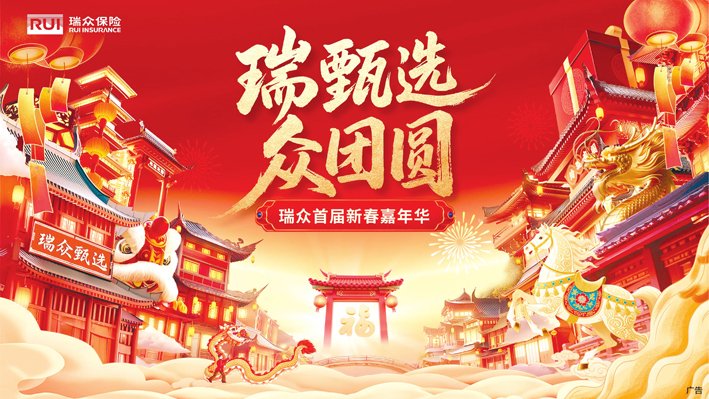
瑞甄选·众团圆——瑞众保险首届新春嘉年华温情启幕 以新春场景链接家庭需求,打造有温度的保险服务新体验
Xin Lang Cai Jing· 2026-01-20 12:45
Core Viewpoint - The company, Ruizhong Insurance, launched its first Spring Festival Carnival, "Ruizhenxuan·Zhongtuan Yuan," integrating traditional customs with family services and insurance planning to create a new service experience for the New Year [1][5]. Group 1: Event Overview - The Spring Festival Carnival focuses on the theme of "reunion," transforming the company's workplace into an interactive space that combines experience, family services, and professional insurance consultations [1][3]. - The event features various interactive segments, including traditional activities like writing Spring Festival couplets and making lanterns, which attracted many families [3]. Group 2: Service Innovations - A "Home Care Experience Pavilion" was set up to showcase aging-friendly home scenarios and smart care devices, allowing customers to experience future retirement lifestyles [3]. - The company introduced a "Family Policy New Year Assurance Check" service, where professionals assist clients in reviewing their insurance policies and coverage, addressing key issues like payment arrangements and claims processes [3]. Group 3: Comprehensive Solutions - Ruizhong Insurance presented integrated solutions addressing core family needs in education, retirement, health, and asset inheritance, while also incorporating professional resources from various fields [3][4]. - The company aims to guide families in long-term planning, emphasizing a customer-centric approach with tailored solutions and lifelong protection [4]. Group 4: Industry Impact - Industry experts believe that combining insurance services with family emotions and life scenarios during traditional festivals enhances public understanding of insurance value and provides a new model for "service-oriented, companion-style" development in the industry [5]. - The Spring Festival Carnival will continue to be held across various locations starting January 2026, with specific schedules announced by local branches [5].
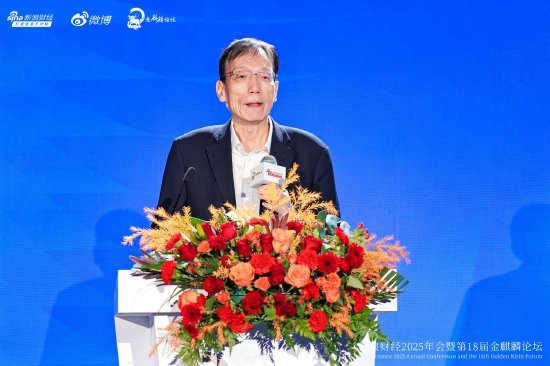
刘世锦:经济稳增长重点应从“抓投资”转向“抓消费”,消费对增长的重要性已前置
Xin Lang Cai Jing· 2026-01-15 02:15
Core Viewpoint - The main theme of the "Sina Finance 2025 Conference and the 18th Golden Unicorn Forum" is to reshape growth paradigms and create future prosperity, emphasizing the importance of consumption in driving economic growth [1][2]. Consumption Structure - The current issue of "insufficient demand" in China is primarily attributed to "insufficient consumption demand," with China's consumption as a percentage of GDP being approximately 20 percentage points lower than the global average, which is referred to as a "structural deviation" [3][5]. - To address this gap, it is essential to not only consume domestic products but also to increase consumption of foreign products and services, thereby enhancing the internationalization of consumption [3][5]. - Consumption focused on developmental areas such as education, healthcare, elderly care, and cultural sports entertainment is considered both consumption and investment, as investing in people supports human capital and innovation [3][5]. Economic Growth Focus - The importance of consumption in driving economic growth has shifted, with a current and future emphasis on consumption rather than investment as the primary means of stabilizing growth [3][5].
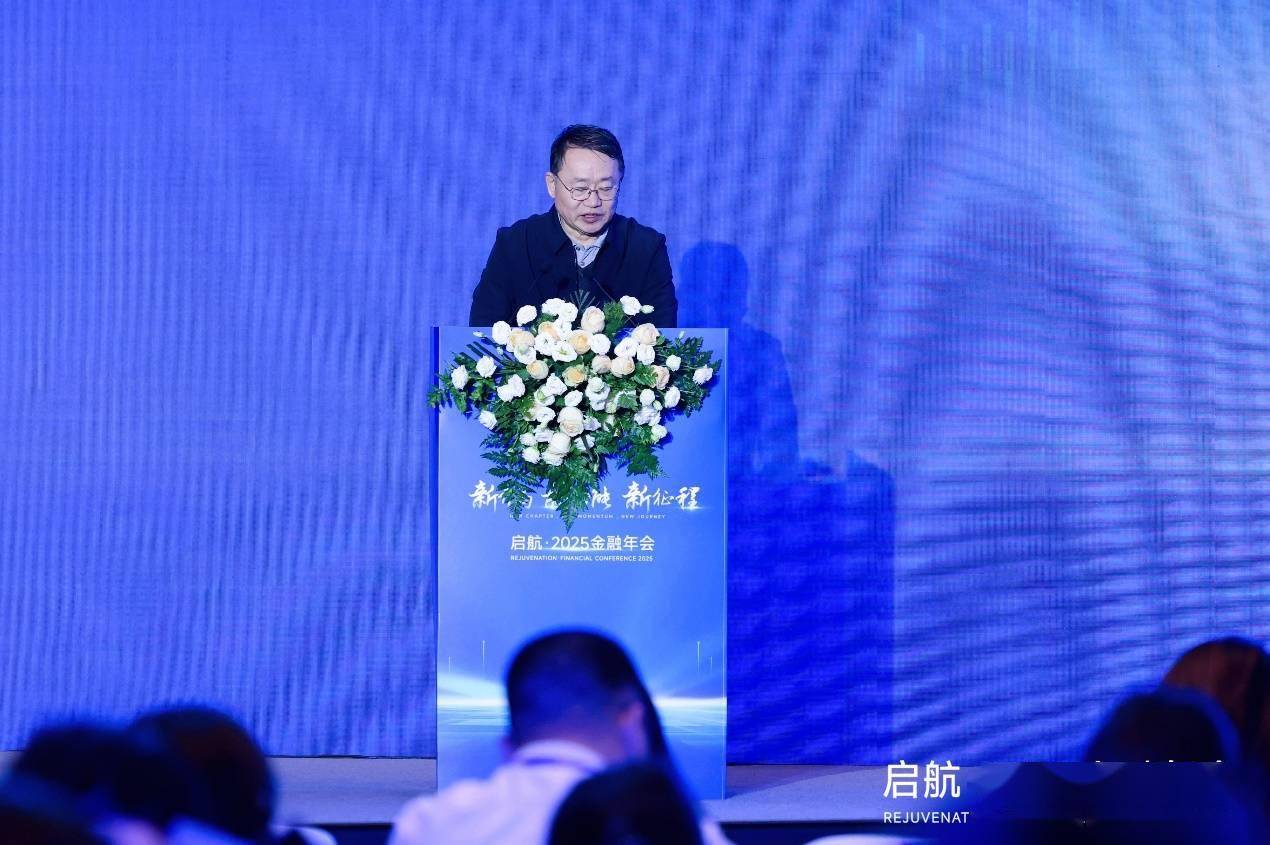
梁涛:保险应有效满足民生领域的金融需求,丰富养老、健康保险产品,完善灾害保险保障体系
Sou Hu Cai Jing· 2025-12-26 08:48
Core Insights - The conference "Sailing into 2025 Financial Annual Meeting" was held in Beijing, focusing on the theme of "New Starting Point, New Momentum, New Journey" with over 100 guests and more than 500 financial institutions and listed companies in attendance [1] Group 1: Insurance Industry Development - The insurance industry should effectively meet the financial needs of the public, particularly in areas such as pension and health insurance, and expand coverage for small and micro enterprises, private sectors, and agriculture [3] - There is a need for the insurance sector to develop pension and health insurance products that align with the national strategy for an aging population, and to actively participate in enterprise annuity management and personal pension business [3] - The integration of commercial insurance with medical insurance should be deepened to enhance health services from prevention to rehabilitation, and to promote the development of long-term care insurance [3] Group 2: Addressing Vulnerable Groups - The insurance industry must leverage digital technology to improve service quality and develop online, intelligent insurance products for small and micro enterprises and agriculture, thereby enhancing coverage and credit systems in rural areas [4] - There is a significant need for insurance services to support low-income groups, farmers, and other vulnerable populations, as their financial reserves and risk resistance capabilities are low [4] Group 3: Disaster Risk Management - The insurance industry's participation in natural disaster management is currently below global standards, with a reliance on government and social donations for disaster relief [4] - The industry should engage in the design of a multi-tiered disaster risk-sharing system, developing specialized insurance products for disasters such as earthquakes, typhoons, and floods [4] - Innovations in insurance products related to public safety, such as liability insurance for safety production and public spaces, are essential for enhancing risk prevention and emergency response mechanisms [4] Group 4: Quality of Insurance Services - The insurance industry must address both the availability and quality of services, ensuring that it can provide essential support in times of need [5]
瑞众保险获评每日经济新闻“金鼎奖”年度卓越人寿保险公司
Zhong Guo Jin Rong Xin Xi Wang· 2025-12-24 10:07
Core Viewpoint - Ruizhong Insurance has been awarded the "Annual Outstanding Life Insurance Company" at the 16th "Golden Ding Award" ceremony, recognizing its product innovation and customer service excellence [1] Group 1: Product Offerings - Ruizhong Insurance provides a comprehensive range of personal and group life insurance solutions, covering survival, retirement, illness, medical, death, and disability [2] - In the first half of 2025, the company reported total claims amounting to 2.791 billion yuan, averaging 15.42 million yuan per day, benefiting 193,000 customers [2] - The company has expanded its annuity product age limit to 85 years to address the insurance needs of the elderly, and launched simplified underwriting critical illness insurance for high-risk elderly clients [2] Group 2: Service Quality - Since its establishment, Ruizhong Insurance has focused on customer-centric service, optimizing service processes and innovating service models, achieving a small claims processing time of only 0.16 days and a claim approval rate of 99.64% [3] - The online claim application rate stands at 97.2%, showcasing the company's efficient and convenient claims service capabilities [3] - The company has implemented various senior-friendly service technologies, serving over 300,000 elderly clients and providing dedicated service areas in branches [3] Group 3: Customer Engagement - Ruizhong Insurance emphasizes emotional connections and long-term trust with customers, conducting large-scale interactive activities that attracted over 10 million participants and reached over 100 million people [4] - The company offers personalized policy upgrade services and value-added services through online and offline interactions, enhancing customer service depth and breadth [4] Group 4: Social Responsibility - Ruizhong Insurance prioritizes consumer rights protection, conducting 9,028 consumer protection training sessions that reached over 347,000 participants [5] - The company has engaged in 9,928 financial education outreach activities, impacting over 76.7 million individuals and contributing to a harmonious financial environment [5]
张军扩谈提振消费:要对教育、医疗、养老、生育等加大补贴
Xin Lang Cai Jing· 2025-11-14 05:31
Core Insights - The primary focus should be on expanding domestic demand, particularly consumer demand, as a priority for economic growth [1] - The main contradiction in China's economic operation has shifted from the supply side to the demand side, making effective demand expansion crucial for stable economic growth [1] - Current weak consumer demand is attributed to both short-term shocks and long-term structural issues, with insufficient social security and unstable consumer expectations being the main factors [1] Summary by Sections Economic Strategy - Zhang Jun's emphasis on prioritizing consumer demand is essential for achieving dynamic balance in total supply and demand at a higher level [1] - A stable and sustainable economic growth environment is necessary to address issues such as technological innovation, green transformation, and risk mitigation [1] Consumer Demand - The current state of consumer demand is weak due to various factors, including insufficient social security and low consumer confidence [1] - Service consumption is lacking, which is linked to both inadequate support levels and supply-side capabilities [1] Policy Recommendations - Policies to effectively release consumer potential should focus on three areas: counter-cyclical consumption policies, optimizing support for commodity consumption, and enhancing support for service consumption [2] - Increased subsidies in sectors like education, healthcare, elderly care, and childbirth are recommended to boost consumer willingness and capacity [2]