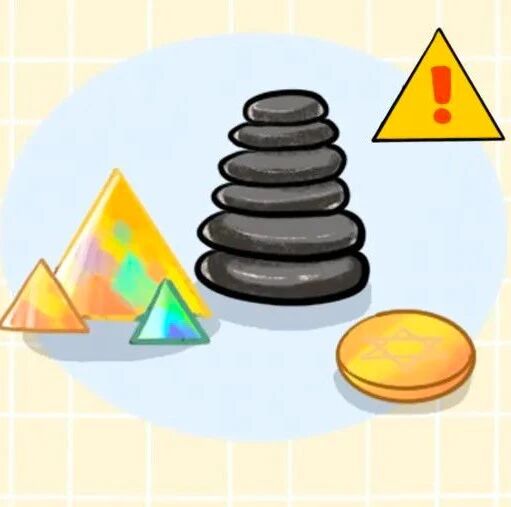
能量石

Search documents
辐射严重超标!警惕“护身符”变“催命符”
Ke Ji Ri Bao· 2026-01-13 00:55
Core Viewpoint - The article highlights the discovery of a radiation-exceeding "amulet" at Dalian Zhoushuizi International Airport, which poses significant health risks due to its radioactive content, specifically thorium-232, and warns consumers about similar products in the market [1][2]. Group 1: Health Risks - The detected amulet emitted a radiation dose rate of 168.6 microsieverts per hour, exceeding the background level by 1686 times, indicating severe radiation hazards [1]. - Prolonged exposure to such items can lead to irreversible health damage, including acute reactions like skin rashes and long-term risks such as leukemia and lung cancer [2]. - The presence of radioactive isotopes like thorium-232, uranium-238, and radium-226 in these products can cause genetic mutations and cellular damage [2]. Group 2: Regulatory and Preventive Measures - Customs authorities have intercepted multiple items containing radioactive isotopes through various channels, including cross-border e-commerce [2]. - Recommendations include avoiding the purchase of unverified "energy products" and ensuring that items come with proper certification and radiation detection reports [2][3]. - A comprehensive radiation prevention system has been established by customs, utilizing handheld nuclear identification devices and radiation detection equipment to monitor incoming goods [3].
“智驾神器”是伪创新,更是真危险
Ke Ji Ri Bao· 2025-11-04 00:42
Core Insights - A device known as "Smart Driving Artifact" has gained popularity online, claiming to provide a "hands-free" autonomous driving experience, but it is essentially a tool to deceive vehicle assistance systems [1][2] - The device exploits a loophole in current Level 2 (L2) driver assistance systems, which require drivers to keep their hands on the steering wheel, posing significant safety risks [1][2] Industry Concerns - The misuse of such devices reflects a blind trust in technology and a severe lack of safety awareness among some drivers, highlighting the need for increased consumer vigilance and awareness [2] - The automotive industry must enhance the monitoring logic and interaction alerts of their systems to improve accuracy and resistance to interference [2] - E-commerce platforms should strengthen the review process for such pseudo-technological products, while content platforms need to remove promotional materials that encourage their use [2] - Regulatory bodies must intensify enforcement against the use of devices like the "Smart Driving Artifact" and work towards improving technical standards for smart connected vehicles [2]
快扔掉!戴一天,辐射量相当于拍117次胸片
中国能源报· 2025-10-26 11:37
Core Viewpoint - The article highlights the potential health risks associated with popular "energy stones" and "health stones," emphasizing the dangers of certain jewelry items that may contain toxic substances or pose health hazards [2][3]. Group 1: Health Risks of Popular Items - A customs inspection at Dalian Zhoushuizi Airport revealed a bag of "health stones" with a radiation level of 105 microsieverts per hour, exceeding the background value by 1050 times, equivalent to the radiation from one chest X-ray [3][4]. - A traveler experienced frequent nosebleeds while wearing an "energy stone" for three months, raising concerns about the health implications of such items [5][6]. Group 2: Specific Jewelry Items to Avoid - **1) Xiangsi Bean**: Often mistaken for the red bean in poetry, Xiangsi beans (also known as chicken mother beads) can be toxic if their outer shell is compromised, potentially leading to severe poisoning symptoms [8][12]. - **2) Walnut Bracelets**: While popular among various age groups, walnuts can easily mold, producing aflatoxins, and some vendors may use harmful chemicals to clean them, posing skin irritation risks [13][16][17]. - **3) Dyed Agate**: Many low-cost, brightly colored agate pieces are actually dyed with toxic chemicals like potassium nitrate and silver nitrate, which can accumulate heavy metals in the body and may lead to cancer or genetic mutations [20][22][25]. - **4) Imitation Jewelry**: Made from inexpensive alloys, imitation jewelry may contain harmful metals like lead and nickel, which can cause skin reactions and long-term health issues if absorbed through the skin [26][29][31].

中年人网购记录有多炸裂
Sou Hu Cai Jing· 2025-08-19 07:12
Core Viewpoint - The article discusses the phenomenon of middle-aged and elderly individuals becoming addicted to online shopping, leading to a significant impact on family relationships and raising concerns about the quality and necessity of their purchases [1][36][38]. Group 1: Online Shopping Behavior - Middle-aged and elderly consumers are increasingly engaging in online shopping, often purchasing low-quality or unnecessary items, which has become a source of frustration for their children [1][36]. - The allure of low prices drives these consumers to buy items that are often deemed "junk" or "three-no products" (no quality, no brand, no after-sales service) [4][12]. - The convenience of online shopping has led to a surge in deliveries, with families overwhelmed by the volume of packages arriving at their homes [23][36]. Group 2: Psychological Factors - The article highlights that many elderly individuals are motivated by a fear of being left behind in a rapidly changing world, leading them to engage in online shopping as a way to stay connected [38]. - There is a psychological manipulation at play, where unscrupulous sellers exploit the elderly's desire for bargains and their lack of understanding of online shopping processes [36][38]. - The phenomenon reflects a role reversal in family dynamics, where younger generations now worry about their parents' online habits, similar to how parents once worried about their children's gaming [38]. Group 3: Market Dynamics - The article suggests that the market for online products targeted at the elderly is thriving, as businesses find it easier to sell to this demographic due to their willingness to spend [36]. - There is a growing trend of products marketed with dubious claims, such as health benefits or unique features, which appeal to the elderly's concerns about health and wellness [21][36]. - The rise of live-stream shopping has become particularly popular among older consumers, who are drawn to the interactive and engaging nature of these platforms [10][36].

中老年人:不要为了省钱在网上买“这5样”东西,省钱坑自己!
Sou Hu Cai Jing· 2025-05-25 10:00
Core Viewpoint - Online shopping has become a mainstream shopping method, especially among the elderly, who find it convenient and often cheaper, but they are also prone to falling into traps and purchasing low-quality products [1][3][39] Group 1: Common Pitfalls in Online Shopping for the Elderly - Many elderly individuals are attracted to "energy-saving devices" that promise to significantly reduce electricity bills, but these products often do not deliver any real savings and are considered scams [9][11][15] - Purchasing tree seedlings online can lead to disappointment, as many sellers misrepresent the quality and type of plants, resulting in years of effort for no fruit-bearing results [17][21][25] - The trend of buying "energy stones" for health benefits is misleading, as these products often lack scientific backing and may even pose health risks due to potential radiation [27][29] Group 2: Low-Cost Appliances and Jewelry - Many elderly consumers are drawn to inexpensive small appliances, but these products often use cheap components, leading to short lifespans and safety hazards [31][33] - The allure of affordable jewelry online can be deceptive, as many items may come with fake certification, making it risky to purchase without proper verification [35][36][37]