脑虎科技全植入脑机接口产品

Search documents
与沐曦打通GPU算力平台,AI让脑机接口更近了
3 6 Ke· 2025-12-16 03:11
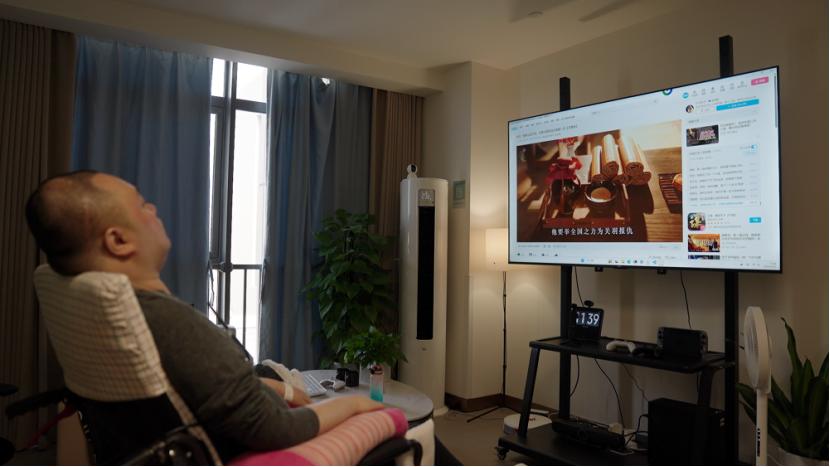
Core Insights - The establishment of the Peak Intelligent Laboratory by the Tianqiao Brain Science Research Institute and the launch of the brain-like pulse model "Shunxi 1.0" represent a significant advancement in brain-inspired computing and large model integration in China [1][2] - The model "Shunxi 1.0" aims to address key challenges in AI, such as high energy consumption, long sequence modeling, and limited generalization capabilities, by mimicking the human brain's neural dynamics [2][3] Group 1: Model Development and Features - "Shunxi 1.0" is the first brain-like pulse model developed in China, utilizing a different approach from mainstream models based on the Transformer architecture, focusing on pulse-based information transmission [2][3] - The model operates on a domestic GPU computing platform, achieving approximately 90% performance of Alibaba's Qianwen 7B model while using only about 2% of the pre-training data [2][3] - The research team emphasizes the natural advantages of brain-like models in low-power inference, complex temporal modeling, and cross-task generalization, indicating potential for application breakthroughs in various scenarios [3] Group 2: Brain-Computer Interface Applications - The clinical application of brain-computer interfaces (BCIs) is accelerating in Shanghai, with companies like Brain Tiger Technology leading the way in developing fully implanted, wireless, and multifunctional BCI products [4][6] - A recent clinical trial at Huashan Hospital demonstrated the successful implantation of a BCI in a patient with high-level paraplegia, allowing control of a cursor and web browsing through thought alone [4][6] - The BCI system's design minimizes infection risks and enhances safety by placing the battery module under the skin, away from the brain, and achieving a brain control decoding rate of 5.2 BPS, nearing international standards [6] Group 3: Industry Trends and Collaboration - The development of BCIs is reshaping the relationship between medicine, research, and industry, with clinical needs driving technological improvements and fostering direct collaboration between doctors and engineers [7] - The intersection of artificial intelligence and brain-computer interfaces is seen as a dual shaping process, where AI enhances the interpretation of brain signals while insights into brain mechanisms push AI architectures towards greater efficiency and lower energy consumption [7]