
瞬悉1.0

Search documents
北京成为全球AI科研核心策源地
Xin Lang Cai Jing· 2026-01-08 16:57
Core Insights - Beijing has rapidly ascended to a leading position in the global AI landscape, with numerous prominent AI models such as Doubao, Kimi, and DeepSeek emerging from the city [1][4] - The city is recognized as the best entrepreneurial hub for tech companies due to its abundant high-end talent, research resources, and supportive government policies [2][8] Talent and Innovation - The concentration of talent in Beijing is a significant driver of innovation, with many AI professionals motivated by the vision of Artificial General Intelligence (AGI) [3][4] - The establishment of the Zhiyuan Artificial Intelligence Research Institute has positioned Beijing as a core training ground for AI innovators, contributing to the city's reputation as a hub for AI research [2][3] Research and Development - Beijing leads globally in AI research output, with 7,340.3 adjusted papers and an AI index of 402.59, significantly surpassing other cities like Hong Kong and the San Francisco Bay Area [4] - The city is home to a diverse range of AI companies, including those focused on multimodal and embodied intelligence, which are essential for advancing AI technologies [5][6] Ecosystem and Infrastructure - The AI ecosystem in Beijing is characterized by a collaborative environment that fosters innovation, with various AI innovation districts being developed to support this growth [8][9] - The Beijing government is actively promoting the establishment of AI innovation zones, aiming to create a comprehensive industrial ecosystem that encourages collaboration and technological advancement [8][9] Future Outlook - By 2025, Beijing's AI core industry is projected to reach a scale of 450 billion yuan, with over 2,500 companies expected to be established in the sector [6][10] - The city's commitment to AI development is seen as a reflection of China's broader goals for technological self-reliance and innovation, positioning Beijing as a key player in the global AI arena [10]
中国AI崛起,“根”在这里
Bei Ke Cai Jing· 2026-01-08 08:52
Core Insights - The "AI New Year First Meeting" was held in Beijing on January 5, focusing on the construction of the 2026 Beijing Artificial Intelligence Innovation High Ground [5][18] - Beijing has rapidly advanced its position in the global AI landscape, with numerous prominent AI models emerging from the city [4][8] - The city is recognized as a fertile ground for tech startups due to its talent pool, research resources, and supportive government policies [4][11][18] Group 1: AI Development and Innovation - The Beijing Academy of Artificial Intelligence officially released the "Zhongzhi FlagOS 1.6," a software stack aimed at solving compatibility issues for training large models across different AI chips [5] - Beijing's AI research output is significant, with 7,340.3 adjusted papers and an AI index of 402.59, placing it first globally [8] - The city has transformed from a "follower" to a core source of AI research and innovation [8] Group 2: Talent and Ecosystem - The concentration of high-end, interdisciplinary talent in Beijing is a key factor driving innovation in the AI sector [4][11] - The presence of major universities like Tsinghua University facilitates a strong academic atmosphere, fostering a culture of innovation among young researchers [6][11] - Companies in Beijing benefit from a well-established AI ecosystem that encourages collaboration and avoids isolated development [11][12] Group 3: Government Support and Policy - The Beijing government demonstrates a deep understanding of technological frontiers, providing strong support for long-term investments and early-stage startups [18][19] - The city is developing multiple innovation districts, including the Haidian Original Community, to enhance its AI industry landscape [18][20] - Beijing's development strategy emphasizes a "one committee, one industry, one area, one product" approach to foster AI integration across various sectors [19] Group 4: Industry Growth and Future Prospects - By 2025, Beijing's core AI industry is projected to reach a scale of 450 billion yuan, with over 2,500 companies established [16] - The city is expected to continue leading in AI innovation, contributing to various sectors such as healthcare, governance, and industry [22][23] - The narrative of Beijing's AI development reflects China's commitment to technological self-reliance and innovation [22][23]

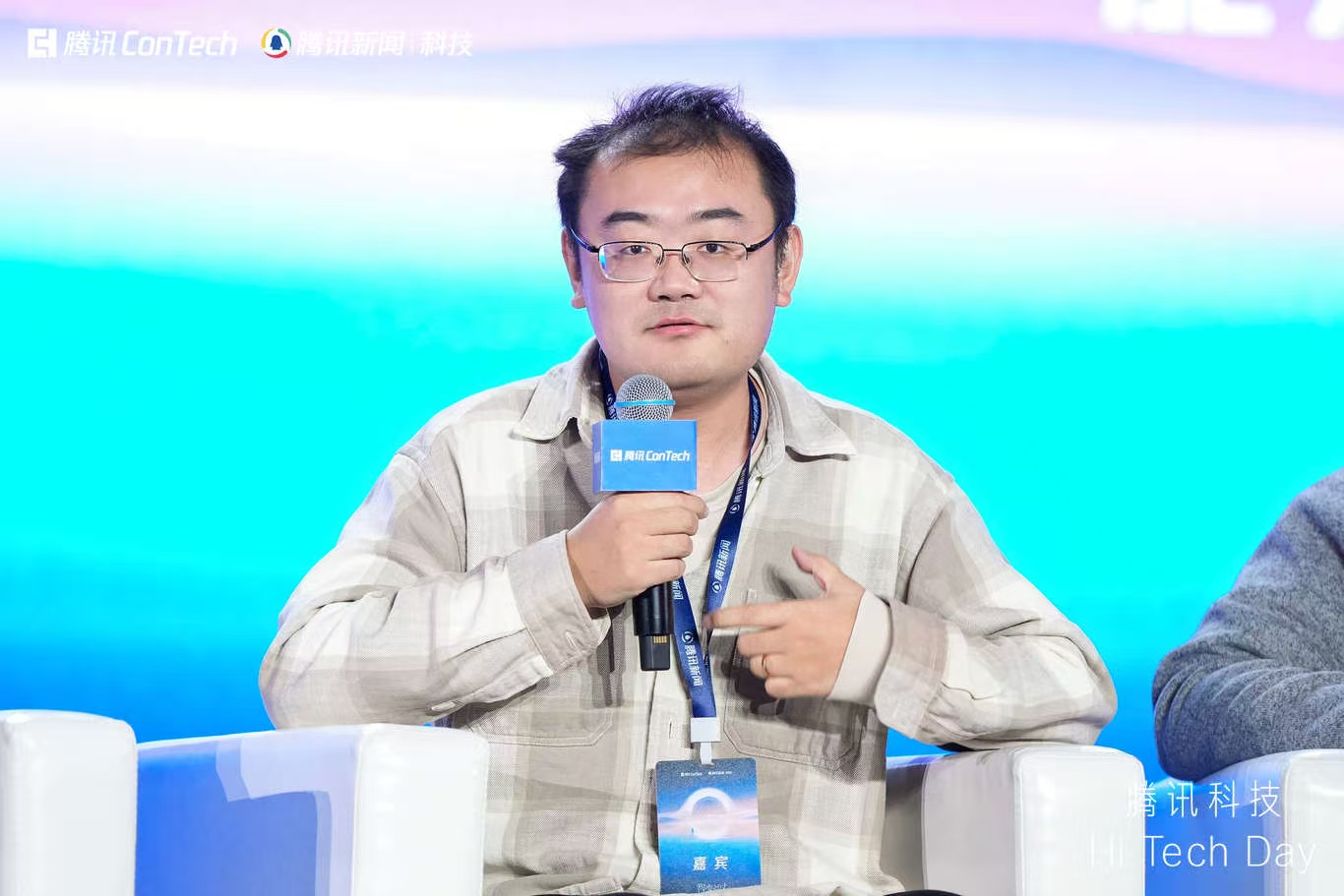
AI大牛张祥雨:Transformer撑不起Agent时代
Di Yi Cai Jing· 2025-12-18 10:52
Core Insights - The current AI landscape, particularly in large models, is facing limitations due to the Transformer architecture, which is unable to effectively handle long-term memory and context processing [1][3][4] - Zhang Xiangyu, a prominent AI researcher, emphasizes that the existing Transformer models struggle with information flow and depth of understanding, particularly when processing sequences beyond 80,000 tokens [3][4] - There is a growing consensus among researchers that the Transformer architecture may have fundamental limitations, prompting a search for new breakthroughs in AI model design [4][5] Industry Trends - The AI industry appears to be in a "steady state," with many innovations converging around Transformer variants, yet these modifications do not fundamentally alter its modeling capabilities [3] - New architectures such as Mamba and TTT (Test-Time Training) are gaining attention, with major companies like Nvidia, Meta, and Tencent exploring their integration with Transformers [4] - Research institutions are also venturing into non-Transformer architectures, as evidenced by the development of the brain-like pulse model "Shunxi 1.0" by the Chinese Academy of Sciences [4] Future Directions - The team at Jumpshare is exploring new architectural directions, particularly focusing on non-linear recursive networks, although this presents challenges in system efficiency and parallelism [5] - The need for collaborative design in implementing these new architectures is highlighted as a critical factor for success in overcoming the limitations of current models [5]
与沐曦打通GPU算力平台,AI让脑机接口更近了
3 6 Ke· 2025-12-16 03:11
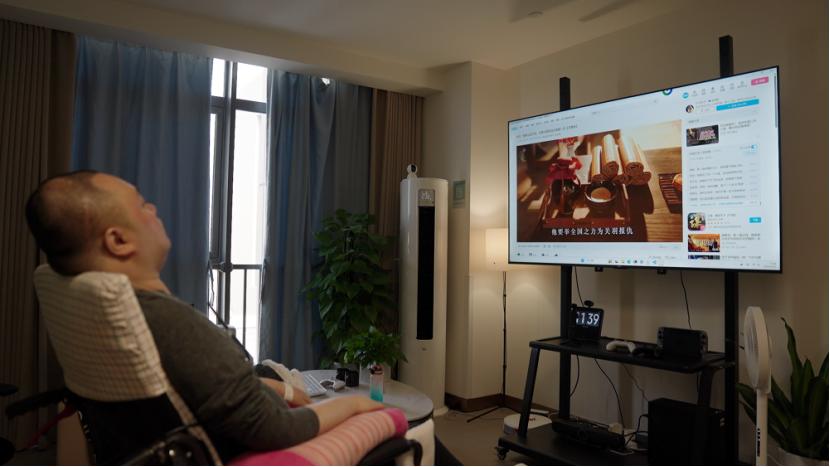
Core Insights - The establishment of the Peak Intelligent Laboratory by the Tianqiao Brain Science Research Institute and the launch of the brain-like pulse model "Shunxi 1.0" represent a significant advancement in brain-inspired computing and large model integration in China [1][2] - The model "Shunxi 1.0" aims to address key challenges in AI, such as high energy consumption, long sequence modeling, and limited generalization capabilities, by mimicking the human brain's neural dynamics [2][3] Group 1: Model Development and Features - "Shunxi 1.0" is the first brain-like pulse model developed in China, utilizing a different approach from mainstream models based on the Transformer architecture, focusing on pulse-based information transmission [2][3] - The model operates on a domestic GPU computing platform, achieving approximately 90% performance of Alibaba's Qianwen 7B model while using only about 2% of the pre-training data [2][3] - The research team emphasizes the natural advantages of brain-like models in low-power inference, complex temporal modeling, and cross-task generalization, indicating potential for application breakthroughs in various scenarios [3] Group 2: Brain-Computer Interface Applications - The clinical application of brain-computer interfaces (BCIs) is accelerating in Shanghai, with companies like Brain Tiger Technology leading the way in developing fully implanted, wireless, and multifunctional BCI products [4][6] - A recent clinical trial at Huashan Hospital demonstrated the successful implantation of a BCI in a patient with high-level paraplegia, allowing control of a cursor and web browsing through thought alone [4][6] - The BCI system's design minimizes infection risks and enhances safety by placing the battery module under the skin, away from the brain, and achieving a brain control decoding rate of 5.2 BPS, nearing international standards [6] Group 3: Industry Trends and Collaboration - The development of BCIs is reshaping the relationship between medicine, research, and industry, with clinical needs driving technological improvements and fostering direct collaboration between doctors and engineers [7] - The intersection of artificial intelligence and brain-computer interfaces is seen as a dual shaping process, where AI enhances the interpretation of brain signals while insights into brain mechanisms push AI architectures towards greater efficiency and lower energy consumption [7]
半导体早参 | 沐曦股份将于12月17日上市,壁仞科技将赴港上市
Mei Ri Jing Ji Xin Wen· 2025-12-16 01:33
Group 1 - The stock of Muxi Co., Ltd. will be listed on the Shanghai Stock Exchange's Sci-Tech Innovation Board on December 17, 2025, and will be classified as a Sci-Tech Growth Company since it is not profitable at the time of listing [2] - The China Securities Regulatory Commission has issued a notice regarding the overseas issuance and domestic unlisted shares of Shanghai Biran Technology Co., Ltd., which plans to issue up to 372,458,000 overseas listed common shares and convert 873,272,024 domestic unlisted shares into overseas listed shares [2] - The Tianqiao Brain Science Research Institute announced the establishment of the Peak Intelligent Laboratory and the launch of the first domestic brain-like pulse large model "Shunxi 1.0," which has been trained and inferred on a domestic GPU computing platform [2] Group 2 - AI chip manufacturer Cambricon announced it will use 2.778 billion yuan from its capital reserve to offset accumulated losses, with the aim of bringing the company's undistributed profits to zero by the end of 2024 [3] - The domestic computing power sector is gaining momentum, driving growth in the semiconductor equipment sector, with expectations of a 20-30% increase in orders for leading equipment manufacturers by 2025 [3] - The Sci-Tech Semiconductor ETF (588170) tracks the Sci-Tech Innovation Board's semiconductor materials and equipment theme index, focusing on semiconductor equipment (61%) and materials (23%) [3][4]
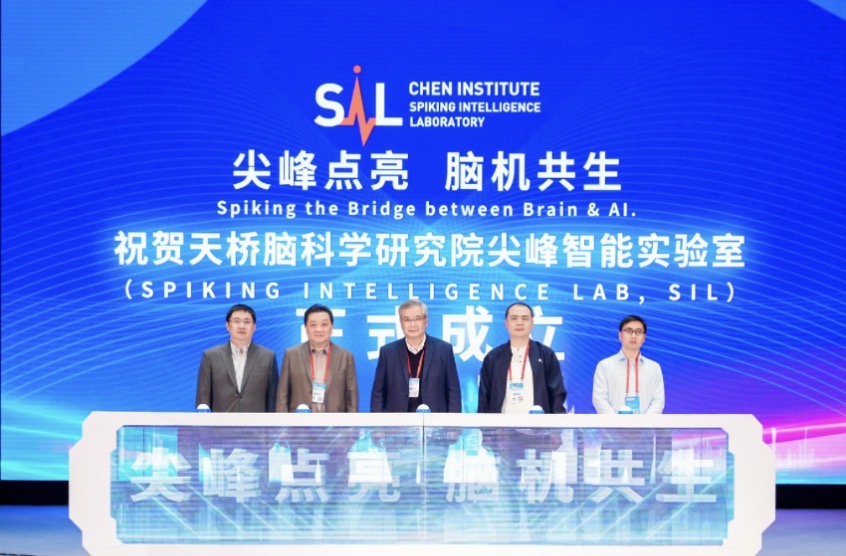
天桥脑科学研究院宣布成立尖峰智能实验室
Xin Hua Cai Jing· 2025-12-13 12:29
Core Insights - The Tianqiao Brain Science Research Institute has established the Spiking Intelligence Lab (SIL) to focus on brain-like models and spiking neural networks, aiming to explore the deep integration of artificial intelligence and human intelligence [1][5] - The concept of "Discoverative Intelligence" was introduced by Chen Tianqiao, and the Spiking Intelligence Lab serves as a key implementation platform for this idea [2] Group 1: Research and Development Focus - The lab emphasizes the development of brain-like models with neural dynamics, inspired by the human brain's efficiency, which operates at approximately 20 watts while supporting complex functions of billions of neurons [5] - The lab aims to create a "whole-brain architecture" that combines spiking communication and dynamic coding with the intricate structure of dendritic neurons, enhancing perception, memory, and cognitive abilities [5] Group 2: Institutional Transformation - The establishment of the Spiking Intelligence Lab marks a shift from an "external" donation-based model to an "in-house" research model, allowing the institute to recruit top talent and independently determine research directions [6] - This transition enables the institute to accelerate the transformation of the "Discoverative Intelligence" concept from theory to practical technological outcomes [6] Group 3: Strategic Positioning in Brain Science - As one of the largest private brain science research institutions globally, the Tianqiao Brain Science Research Institute has made significant contributions to brain science research over its nine years of operation [10] - The institute has previously collaborated with Fudan University and other institutions to establish cutting-edge laboratories focusing on brain-machine interfaces and mental health, contributing to advancements in the field [10] - The institute has hosted over 300 international and interdisciplinary academic conferences, promoting knowledge dissemination and engagement in cutting-edge technology [10]
天桥脑科学研究院成立尖峰智能实验室 支持“发现式智能”
Di Yi Cai Jing· 2025-12-13 08:28
Group 1 - The newly established Spiking Intelligence Lab (SIL) aims to develop brain-like models and spiking neural networks, focusing on the deep integration of artificial intelligence and human intelligence [1] - The lab is led by Professor Li Guoqi and is a non-profit research institution under the Tianqiao Brain Science Research Institute, which seeks to provide key capabilities for the "discovery-based intelligence" proposed by founder Chen Tianqiao [1] - The research emphasizes the importance of neural dynamics, contrasting with mainstream AI models that rely on scaling parameters, and aims to create a comprehensive brain architecture with strong perception, memory, and thinking capabilities [1][2] Group 2 - Chen Tianqiao highlighted the limitations of the "scale path" based solely on data and computing power, advocating for a "structural path" that resembles the "cognitive anatomy" of intelligence [2] - The Tianqiao Brain Science Research Institute plans to invest over $1 billion to build dedicated computing clusters to support young scientists in exploring structural mechanisms and validating new hypotheses in neuroscience [2] - The first brain-like spiking model, "Shunxi 1.0," developed by Li Guoqi's team, demonstrates breakthroughs in brain-like computing and large model integration, providing a new technical route for the next generation of AI [2][3] Group 3 - The current mainstream model architecture, based on the Transformer framework, faces resource consumption bottlenecks and limitations in processing long sequences due to its reliance on simple point neuron models [3] - The "Shunxi 1.0" model is characterized by "small data, high performance," requiring only about 2% of the data used by mainstream models while achieving comparable performance in various language understanding and reasoning tasks [3] - The model has successfully completed full training and inference on domestic GPU platforms, showcasing the feasibility of building a new ecosystem for domestically controlled large model architectures [3]
天桥脑科学研究院成立尖峰智能实验室,支持“发现式智能”
Di Yi Cai Jing· 2025-12-13 08:23
Core Insights - The establishment of the Spiking Intelligence Lab (SIL) aims to develop brain-like models with neuro-dynamic characteristics, focusing on the integration of artificial intelligence and human intelligence [1][3] - The lab is led by Professor Li Guoqi and is part of the Tianqiao Brain Science Research Institute, which seeks to provide key capabilities for the "discovery-based intelligence" proposed by founder Chen Tianqiao [1][3] Research Focus - The lab emphasizes the importance of neuro-dynamics, contrasting with mainstream AI models that rely on scaling parameters, and aims to create a full-brain architecture with strong perception, memory, and thinking capabilities [3] - The research will support the construction of a full-brain architecture that operates with approximately 20 watts of power, similar to the human brain, which has complex operations supported by billions of neurons [3] Funding and Resources - The Tianqiao Brain Science Research Institute plans to invest over $1 billion to build dedicated computing clusters to provide resources for young scientists, focusing on structural exploration rather than scaling [4] - This investment aims to foster interdisciplinary innovation and support the verification of memory mechanisms and new neuro-dynamic hypotheses [4] Technological Advancements - The lab has developed the first brain-like pulse model, "Shunxi 1.0," which achieves breakthroughs in brain-like computing and large model integration, offering a new technical route for the next generation of AI [4][5] - The "Shunxi 1.0" model requires only about 2% of the data volume compared to mainstream models while achieving comparable performance in various language understanding and reasoning tasks [5]
AI产业跟踪:MiniMax启动全员期权激励,阿里发布Qwen3-Max-Preview
GUOTAI HAITONG SECURITIES· 2025-09-17 06:31
Investment Rating - The report does not explicitly provide an investment rating for the AI industry Core Insights - The AI industry is experiencing significant advancements with major companies launching new models and tools, indicating a competitive landscape and innovation drive [1][3][4][5][6][7][8][9][10][11][12][13][14] Summary by Sections 1. AI Industry Dynamics - The 2025 Bund Conference was held in Shanghai, featuring 550 guests from 16 countries, discussing innovation and the future of business in the AI era [3] - Richard Sutton emphasized the importance of continuous learning and decentralized collaboration in AI's "experience era" [3] 2. AI Application News - ByteDance launched the Dream Image 4.0 model, which excels in image generation and editing, supporting up to 4K resolution and offering various creative functionalities [5] 3. AI Large Model News - Tencent introduced CodeBuddy Code, an AI CLI tool that automates the software development lifecycle, reducing coding time by an average of 40% [6] - Alibaba released Qwen3-Max-Preview, a large-scale model with over 1 trillion parameters, outperforming competitors in various benchmarks [7][8] - WALL-OSS, a general-purpose intelligent model, was released and open-sourced, showcasing strong capabilities in reasoning and task planning [9] - The "SpikingBrain-1.0" model was developed, achieving high efficiency with significantly less data compared to traditional models [10] - Baidu's Wenxin X1.1 model showed improvements in factuality and instruction adherence, enhancing its capabilities in complex tasks [11] 4. Technology Frontiers - The SAIL-Recon project from Hong Kong University and Horizon team demonstrated advancements in visual localization and 3D reconstruction using transformer architecture [14]