
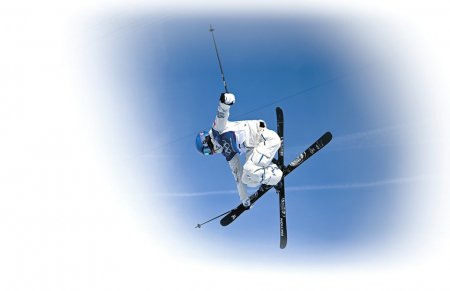
自由式滑雪女子U型场地技巧

Search documents
米兰冬奥,中国队实现多项突破
Xin Lang Cai Jing· 2026-02-24 06:58
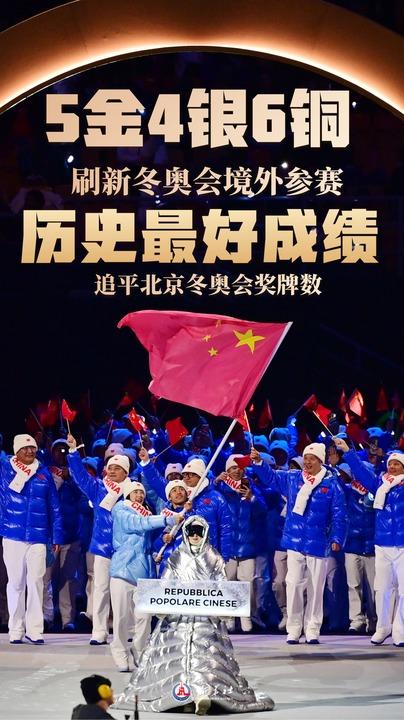
Core Points - The 2026 Milan-Cortina Winter Olympics concluded with China achieving its best overseas performance, winning a total of 15 medals, including 5 golds, 4 silvers, and 6 bronzes, surpassing its previous record from the 2010 Vancouver Olympics [3][4] - The Chinese delegation ranked 12th in the medal standings, with snow sports contributing significantly, accounting for 73.3% of the total medals [4] - Notable performances included Su Yiming winning the first gold medal for China in men's snowboard slopestyle and Ning Zhongyan breaking the Olympic record in men's 1500m speed skating [7][10] Group 1: Medal Achievements - China sent 126 athletes to compete in 7 major events and 15 sub-events, achieving a total of 15 medals, matching the medal count from the previous Beijing Olympics [3] - The freestyle skiing aerials team won 2 golds and 2 bronzes, with Xu Mengtao and Wang Xindi achieving personal milestones [4][5] - The Chinese team secured 49 top-eight finishes, a 32.4% increase from the 37 top-eight finishes at the Beijing Olympics [12] Group 2: Individual Highlights - Su Yiming became the first Chinese snowboarder to win two Olympic gold medals, achieving this on his 22nd birthday [7][8] - Ning Zhongyan's victory in the men's 1500m made him the first Asian to win gold in this event, with a time of 1:41.98, breaking the Olympic record [10] - Gu Ailing continued her impressive streak, accumulating a total of 6 Olympic medals across two Winter Games, solidifying her status in freestyle skiing history [4]

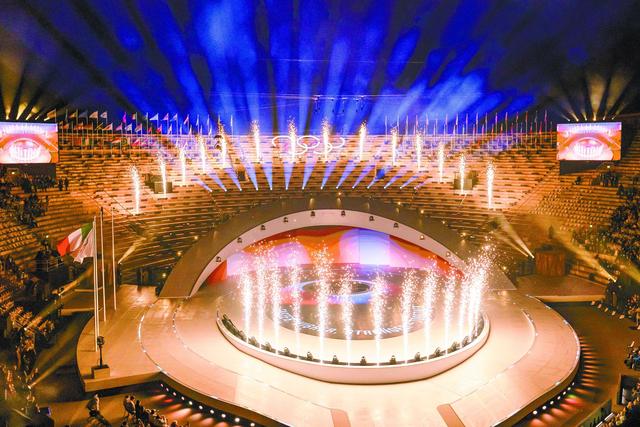
速度滑冰打破奥运纪录,部分小项转向“集团发展”,米兰冬奥会中国队实现多项突破
Xin Lang Cai Jing· 2026-02-23 22:47
Group 1 - The Chinese delegation achieved a historic performance at the Milan-Cortina Winter Olympics, winning a total of 15 medals, including 5 golds, 4 silvers, and 6 bronzes, surpassing their previous best record from the 2010 Vancouver Olympics [1][3] - Snow sports contributed significantly to China's medal tally, with 11 out of 15 medals coming from this category, accounting for 73.3% of the total [3][8] - Notable performances included Su Yiming winning the first gold medal for China in the men's snowboard slopestyle event, marking him as the first Chinese snowboarder to win two Olympic golds [5][6] Group 2 - Ning Zhongyan made history by becoming the first Asian to win a gold medal in the men's 1500m speed skating event, breaking the Olympic record with a time of 1:41.98 [6] - The Chinese short track speed skating team faced challenges, with only one silver medal achieved by Sun Long in the men's 1000m event, indicating a need for improvement in this area [6][8] - Young athletes like Liu Hanbin and Zhang Xiaonan emerged as promising talents, contributing to a more balanced development in both snow and ice sports for the Chinese team [8]
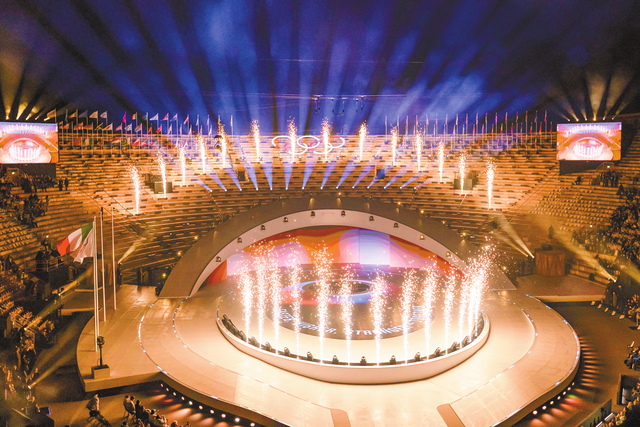
冬奥奖牌新突破 中国冰雪新起点
Xin Lang Cai Jing· 2026-02-23 21:43
Core Insights - The Chinese delegation achieved a record-breaking performance at the Milan Winter Olympics, securing 5 gold, 4 silver, and 6 bronze medals, surpassing their previous best at the 2010 Vancouver Olympics [2] - The success of Chinese athletes, including notable achievements by Gu Ailing and Xu Mengtao, reflects the continuous development and growing popularity of winter sports in China, driven by the Beijing Winter Olympics [3] - Despite the successes, there are still significant gaps in traditional strong events like short track speed skating and curling, indicating areas for improvement in the future [4] Group 1 - The Chinese athletes' performance at the Milan Winter Olympics marked a historic achievement, with Gu Ailing and Li Fanghui winning gold and silver in women's freestyle skiing [2] - Xu Mengtao became the first athlete to defend her title in women's aerials since the event's introduction in 1994, while Ning Zhongyan broke the Olympic record in men's 1500m speed skating [3] - The growth of winter sports in China is evidenced by the increase in participation, with 55 out of 79 indoor ski resorts located in southern provinces, showcasing the sport's expansion beyond traditional regions [3] Group 2 - The Chinese team faced challenges in traditional events, with short track speed skating failing to secure a gold medal for the first time since 2002, highlighting the need for continued development [4] - The value of sports extends beyond medals, promoting healthy lifestyles and economic growth, which can further inspire youth participation in winter sports [4] - The conclusion of the Milan Winter Olympics marks both an end and a new beginning for Chinese winter sports, with aspirations for continued excellence on the global stage [5]
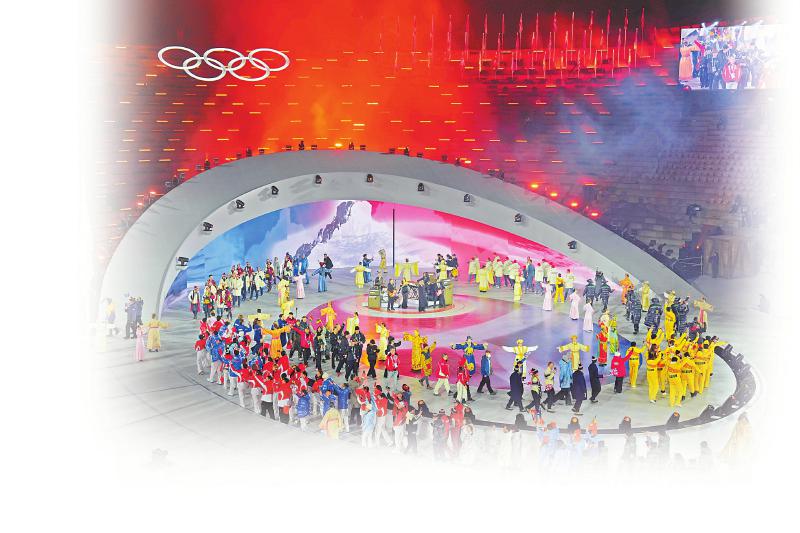
“追赶者”的角色没有改变
Xin Lang Cai Jing· 2026-02-23 19:42
Core Insights - The Chinese delegation achieved a historic best performance at the Milan Winter Olympics, securing 5 gold, 4 silver, and 6 bronze medals, totaling 15 medals, which matches the record set during the Beijing Winter Olympics [11][14] - Despite the success, the overall status of Chinese winter sports remains behind that of leading nations, indicating a need for continued improvement and competitiveness [12][13] Performance Highlights - Chinese athletes won medals in 8 events, reinforcing the established competitive landscape from the Beijing Winter Olympics [11] - The number of top-eight finishes increased by 32.4% from the Beijing Olympics, with 49 top-eight finishes achieved [12] - 18 events showed improvement, representing 19.6% of the total events participated, indicating a shift from being mere participants to becoming competitive contenders [12] Talent Development - There has been an increase in the depth of talent, with multiple athletes competing in events that previously had only one representative [12] - A new generation of young athletes has emerged, showcasing strong competitive abilities and potential for future growth [12][19] Competitive Landscape - The level of competition in winter sports has intensified globally, with many events seeing new records set, particularly in speed skating and freestyle skiing [13] - The need for reform in training methods and talent development is emphasized to keep pace with international standards [13] Historical Context - The journey of Chinese winter sports spans 46 years, with significant milestones marking the evolution from initial participation to achieving competitive success [18][19] - The spirit of perseverance and dedication among athletes is highlighted, showcasing their commitment to representing the country on the international stage [19]
展现我国冰雪运动蓬勃发展新气象
Ren Min Ri Bao· 2026-02-23 06:19
Core Insights - The Chinese sports delegation achieved its best-ever performance at the Winter Olympics held in Milan, securing a total of 15 medals, including 5 golds, 4 silvers, and 6 bronzes, across 7 major events and 91 sub-events [1][2]. Group 1: Medal Achievements - Chinese athletes Gu Ailing and Li Fanghui won gold and silver in the women's freestyle skiing U-shaped venue, contributing to the total medal count of 15 for the Chinese delegation [2]. - The Chinese aerials team continued its traditional strength by winning 2 golds and 3 bronzes, totaling 5 medals in this event [2]. - Ning Zhongyan broke the long-standing dominance of European and American athletes by winning the men's 1500m speed skating championship, marking a significant expansion of China's medal "map" in winter sports [2]. Group 2: Competitive Progress - The Chinese team achieved a historical best in all 5 bobsleigh events, indicating a shift from being mere participants to becoming serious competitors in more events [3]. - Chinese athletes secured 49 top-eight finishes, a 32.4% increase from the 37 achieved at the Beijing Winter Olympics, showcasing significant improvement [3]. - Events like snowboarding and Nordic combined saw multiple Chinese athletes competing, reflecting a transition from individual participation to group development [3]. Group 3: Spirit and Resilience - The Olympic spirit was highlighted through the stories of athletes like Liu Jiayu, who, despite injury, demonstrated resilience and earned respect [4]. - The short track speed skating teams showcased determination by winning B group finals, embodying the spirit of never giving up [4]. - The performances of seasoned athletes and newcomers alike illustrated a strong commitment to excellence and the continuous progress of Chinese winter sports [4][5].
阿尔卑斯,见证山东雪上项目历史一刻
Da Zhong Ri Bao· 2026-02-23 01:24
Core Viewpoint - The article highlights the remarkable achievements of Chinese athletes Gu Ailing and Li Fanghui, who won gold and silver medals respectively in the women's freestyle skiing U-shaped venue at the Milan Winter Olympics, marking a historic breakthrough for Shandong's snow sports [2][4]. Group 1: Event Summary - The women's U-shaped venue final concluded with Gu Ailing successfully defending her title and Li Fanghui winning the silver medal, showcasing China's dominance in the event [2]. - This silver medal is particularly significant as it represents Shandong's first medal in snow sports at the Winter Olympics, following a previous breakthrough in ice sports at the Beijing Winter Olympics [2]. - The Chinese team had four athletes reach the final, the highest number among all participating teams, demonstrating the strength of China's representation in the event [2]. Group 2: Athlete Highlights - Li Fanghui's journey from finishing fifth at the Beijing Winter Olympics to winning silver in Milan is marked by resilience, overcoming multiple injuries, including collarbone fractures [3]. - Throughout her preparation for the Milan Olympics, Li Fanghui faced significant challenges but continued to perform at a high level, securing medals in various competitions leading up to the Olympics [3]. - The silver medal symbolizes not only personal achievement for Li Fanghui but also a historic moment for Shandong's snow sports, solidifying its place in Winter Olympic history [4].
冬奥会 | 体育时评:中国冰雪新起点
Xin Lang Cai Jing· 2026-02-22 23:05
Core Viewpoint - The 2026 Milan Winter Olympics marked a significant achievement for China's ice and snow sports, with the Chinese delegation winning a total of 15 medals: 5 gold, 4 silver, and 6 bronze, surpassing their previous best performance at the 2010 Vancouver Winter Olympics [1][4]. Group 1: Achievements and Highlights - Athletes such as Gu Ailing and Li Fanghui excelled in freestyle skiing, securing gold and silver in the women's U-shaped venue, contributing to the overall medal count [1]. - Xu Mengtao successfully defended her title in women's aerials, becoming the first athlete to achieve this since the event was introduced in 1994 [3]. - Ning Zhongyan broke the Olympic record in men's 1500m speed skating, ending a century-long dominance by European and American athletes [3]. - Wang Xindi improved from 14th place in previous Olympics to winning gold, showcasing the progress of Chinese athletes [3]. Group 2: Development of Ice and Snow Sports - The progress in China's ice and snow sports is attributed to the continuous efforts of generations of athletes and the overall enhancement of national strength [6]. - The Beijing Winter Olympics acted as a catalyst for the development of ice and snow sports in China, with a goal to engage 300 million people in these activities [6]. - The establishment of a robust competition system and optimized talent selection mechanisms have allowed more young talents to emerge [6]. Group 3: Challenges and Future Directions - Despite the successes, there are still significant gaps in traditional strong events like short track speed skating and curling, with the Chinese team finishing 12th in the medal standings, a drop from 7th in Vancouver [8]. - The need for China to transition from a "follower" to a "competitor" in more events is emphasized as a critical challenge for the future of ice and snow sports [8]. - The value of sports extends beyond medals, promoting healthy lifestyles and economic growth, which can further stimulate youth participation in ice and snow sports [10].
逆风翻盘,成功卫冕
Xin Lang Cai Jing· 2026-02-22 22:03
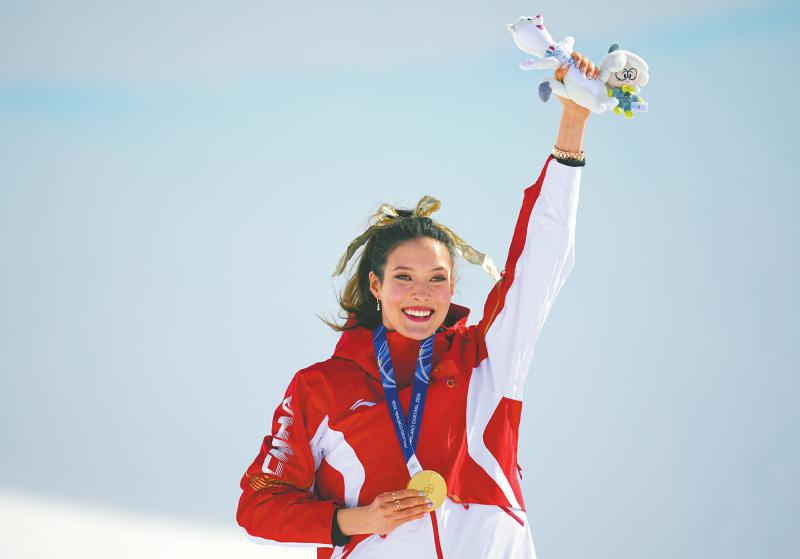
Core Points - Gu Ailing won the gold medal in the women's freestyle skiing U-shaped venue final at the Milan Winter Olympics with a score of 94.75, successfully defending her title [2][3] - The journey to this gold medal was challenging, as Gu participated in three events: big air, slopestyle, and U-shaped venue, leading to a tight schedule with little rest [3] - Gu's performance showed fluctuations in earlier rounds, but she managed to achieve her best under pressure, scoring 94.00 in the second round and 94.75 in the final round [3] Performance Summary - Gu Ailing's first run in the final resulted in a score of 30.00 due to a shaky landing after a 900-degree spin, which caused a loss of speed [3] - In the second run, she executed a fluid routine with an average jump height of 3 meters, peaking at 3.8 meters, securing a leading score of 94.00 [3] - The final run featured a maximum jump height of 4 meters, which elevated her score to 94.75, making her the athlete with the most gold and total medals in freestyle skiing at the Winter Olympics [3] Athlete's Perspective - Gu Ailing expressed a deeper love for the sport and a stronger sense of determination compared to previous years, showcasing her resilience and commitment [4]
(米兰冬奥会)综合消息:谷爱凌U型场地技巧卫冕 美国摘赛会最后一金
Xin Lang Cai Jing· 2026-02-22 19:57
Core Points - The Chinese team achieved a historic best performance at the 2026 Milan-Cortina Winter Olympics, winning a total of 5 golds, 4 silvers, and 6 bronzes, surpassing their previous best of 5 golds, 2 silvers, and 4 bronzes at the 2010 Vancouver Winter Olympics [1][3] - Gu Ailing, a Chinese freestyle skier, won the gold medal in the women's U-shaped venue final with a score of 94.75, marking her as the most decorated athlete in Olympic freestyle skiing history with a total of 3 golds and 3 silvers across two Olympic Games [1][3] - The medal tally for the event saw Norway leading with 18 golds, followed by the USA and the Netherlands with 12 and 10 golds respectively, while China ranked 12th overall [4] Summary by Category Performance Highlights - Gu Ailing's gold medal in the women's U-shaped venue final was achieved despite an initial mistake, showcasing her resilience and skill [1][3] - The Chinese team’s overall medal count of 15 (5 golds, 4 silvers, 6 bronzes) is a significant improvement over past performances [3] Medal Rankings - Norway topped the medal table with 41 total medals (18 golds, 12 silvers, 11 bronzes), while the USA and Netherlands followed in second and third place [4] - China’s ranking of 12th reflects a strong competitive presence in the Winter Olympics [4]
谷爱凌夺金 中国队创境外冬奥会最佳战绩!
Xin Lang Cai Jing· 2026-02-22 12:48
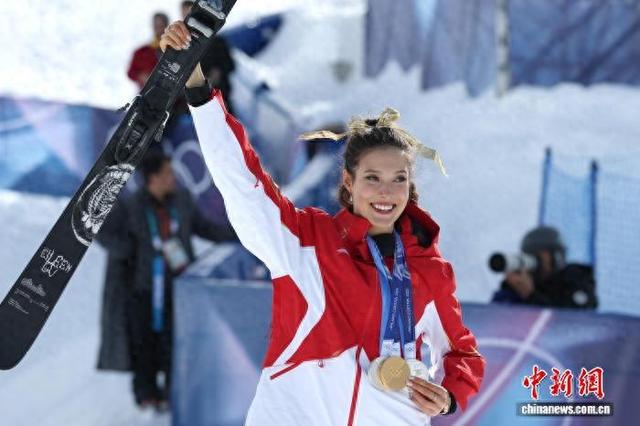
Core Points - Gu Ailing won the gold medal in the women's freestyle skiing halfpipe final at the 2026 Milan-Cortina Winter Olympics with a score of 94.75, successfully defending her title and becoming the first athlete to achieve back-to-back championships in this event [1] - The Chinese team secured both gold and silver medals in this event, with Li Fanghui earning the silver with a score of 93.00, while British athlete Zoe Atkin took the bronze by a narrow margin of 0.5 points [1] - This victory marks the fifth gold medal for the Chinese sports delegation at the current Winter Olympics, bringing their total medal count to 15, which includes 5 gold, 4 silver, and 6 bronze, setting a new record for the number of medals won by a Chinese team at overseas Winter Olympics [1] Event Details - The final was originally scheduled for February 22 at 2:30 AM Beijing time but was postponed to 5:40 PM due to adverse weather conditions, raising concerns about the possibility of cancellation [1] - Fortunately, the weather improved before the event, allowing the competition to proceed smoothly with four Chinese athletes participating, including defending champion Gu Ailing [1] Individual Achievements - This gold medal is Gu Ailing's third Olympic gold and sixth Olympic medal overall, having previously won 1 gold and 2 silver medals in the current event [2] - With this victory, Gu Ailing has set a new record for the most medals won by a female athlete in freestyle skiing history [2]