芝麻烧饼

Search documents
永乐店大集告别扬尘,京津冀三地烟火同台飘香|瓣瓣同心
Xin Lang Cai Jing· 2026-02-07 16:40
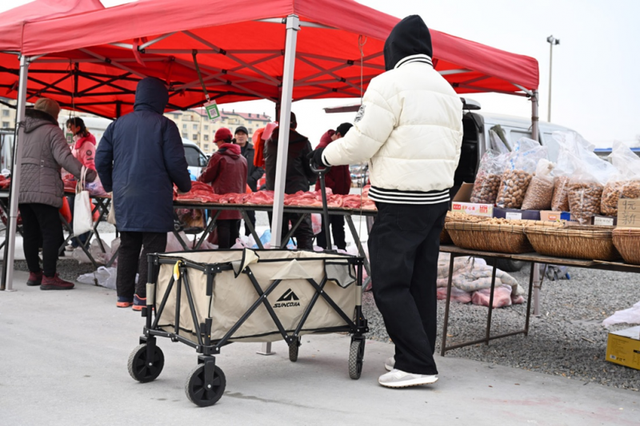
Core Viewpoint - The Yongle Market in Tongzhou District, Beijing, has enhanced its shopping environment through infrastructure improvements and the introduction of diverse food offerings, attracting visitors from the Beijing-Tianjin-Hebei region. Group 1: Market Improvements - The local government has implemented hardening renovations on certain roads in the market, effectively reducing dust and creating a better shopping environment for residents from the Beijing-Tianjin-Hebei area [1][12]. - A new parking lot has been established, providing approximately 400 vehicle spaces, which alleviates parking pressure and improves traffic order around the market [3]. Group 2: Market Features - The market is divided into various functional areas, including fresh produce, fruits, daily necessities, and local delicacies, making it easier for shoppers to navigate [5]. - New public restrooms and micro service stations equipped with hot water and fair scales have been added, enhancing the overall shopping experience [5]. Group 3: Regional Appeal - The Yongle Market is well-known in the Tongzhou area, attracting visitors from nearby regions such as Zhangjiawan, Kuaixian, and Xiji, as well as from Tianjin and Hebei, who come to purchase local agricultural products [8]. - The market features popular local specialties, such as Tianjin's sesame sauce eggs, which are in high demand among visitors [8].

永乐店大集告别扬尘 京津冀“烟火”同台飘香
Xin Lang Cai Jing· 2026-02-05 20:15
Core Viewpoint - The Yongle Market in Tongzhou District has enhanced its shopping environment through infrastructure improvements and the introduction of diverse food offerings, attracting visitors from the Beijing-Tianjin-Hebei region [1][2]. Group 1: Market Improvements - The local government has implemented hardening renovations on certain roads in the market, effectively reducing dust and improving the shopping experience for visitors [1][2]. - A new parking lot has been established, providing approximately 400 vehicle spaces, which alleviates parking pressure and helps regulate traffic around the market [1][2]. Group 2: Market Features - The market is divided into various functional areas, including fresh vegetables, fruits, daily necessities, clothing, breakfast stalls, and local delicacies from the Beijing-Tianjin-Hebei region, facilitating easier shopping for consumers [1][2]. - The Yongle Market spans 97 acres and features over 400 stalls, operating on specific lunar calendar days, with larger markets on the 3rd and 8th days [2].
想念天桥上的小吃
Xin Lang Cai Jing· 2026-01-11 06:51
Group 1 - The article reflects on the nostalgic experiences of enjoying traditional Beijing snacks, particularly focusing on the unique flavors and cultural significance of local delicacies like "灌肠" (fried sausage) and "豆汁" (fermented mung bean milk) [2][3] - "灌肠" is described as a famous snack originating from the Ming Dynasty, made from a mixture of starch, tofu residue, minced deer meat, and red yeast rice, steamed and then pan-fried to achieve a crispy texture [2] - "豆汁" is highlighted as a distinctive Beijing specialty, with a unique preparation method that requires careful attention to avoid boiling over, which would diminish its flavor [2][3] Group 2 - The article emphasizes the importance of traditional food vendors in the community, showcasing a scene at a "豆汁" stall where the vendor engages warmly with customers, reflecting the social aspect of food culture in Beijing [3] - The narrative illustrates the process of developing a taste for "豆汁," indicating that initial aversion can transform into appreciation over time, which mirrors the broader cultural acceptance of local cuisine [2][3] - The relationship between the narrator and their grandfather is central to the narrative, highlighting how familial connections and shared food experiences contribute to the cultural identity associated with these traditional snacks [3]
今日,寒露
证券时报· 2025-10-07 23:50
Group 1 - The article discusses the arrival of the Cold Dew solar term, indicating a significant drop in temperature and the need for people to dress warmly [1] - It highlights the busy agricultural activities during this period, which is crucial for autumn harvest, planting, and management [6] - The article notes the cultural significance of the Cold Dew season, including local customs such as eating sesame-related foods in Beijing [12] Group 2 - The Cold Dew period is recognized as an excellent time for tea picking, particularly for the famous Anxi Tieguanyin autumn tea [14] - The article describes the picturesque autumn scenery in both northern and southern regions of China, with vibrant colors and floral displays [7]