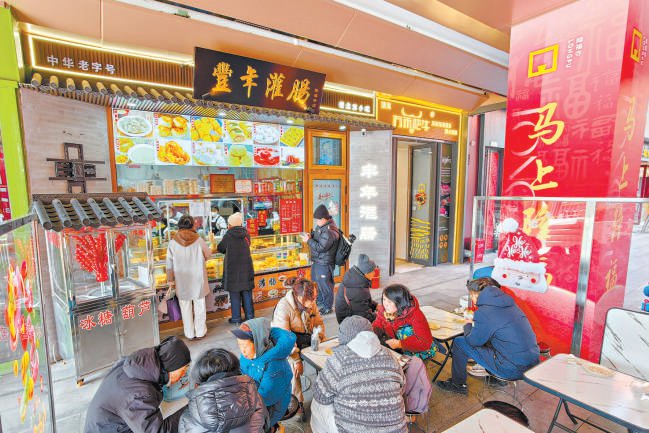
灌肠

Search documents
观速讯丨新春走基层·一线直击|打卡北京隆福寺:一篮年货 喜乐相伴
Xin Hua She· 2026-02-22 12:37
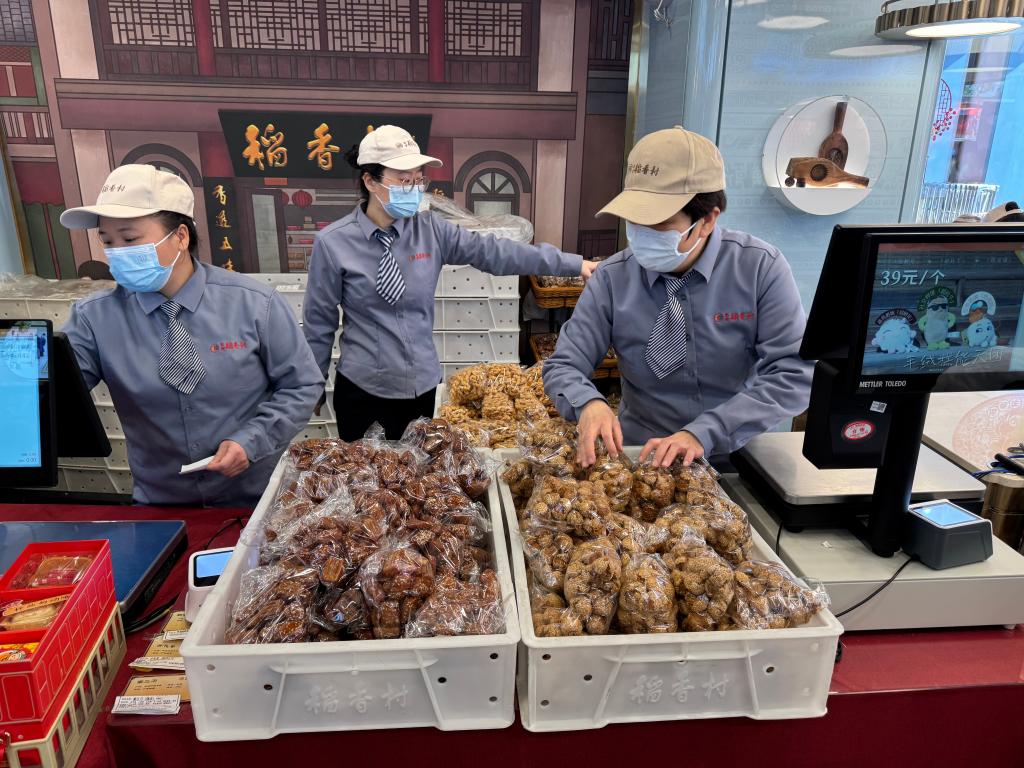
Core Viewpoint - The traditional food market during the Spring Festival in Beijing, particularly at the Dongcheng District's Longfu Temple, showcases a vibrant cultural scene, with old brands like Beijing Daoxiangcun and Liubiju attracting significant consumer interest and sales growth. Group 1: Sales Performance - Beijing Daoxiangcun's sales of its popular three-piece set reached approximately three tons per day during the festival, with customer traffic increasing two to three times compared to regular days [3]. - The Longfu Temple market saw a doubling of sales for various products, with vendors like Fengnian Sausage selling around 1,000 pounds daily [5]. - Sales of soy sauce and vinegar at Liubiju were reported to have doubled, with products selling out within hours [5]. Group 2: Consumer Engagement - The market atmosphere reflects a blend of traditional flavors and modern consumer preferences, with younger generations actively seeking out these cultural experiences [3]. - Creative pastries inspired by classic Chinese literature, such as "Tang Seng Guo Guo" and "Da Sheng Guo Guo," are designed to resonate with cultural narratives, enhancing consumer engagement [4]. - Vendors are adapting to health trends by modifying recipes, such as reducing sugar in traditional snacks like Shaqima [5]. Group 3: Cultural Significance - The Longfu Temple market is part of a cultural triangle that includes the Forbidden City and Wangfujing, revitalizing traditional customs and enhancing the festive atmosphere [5]. - The presence of established brands and their innovative approaches not only attract crowds but also contribute to the preservation of Beijing's cultural heritage [5].


新春走基层·一线直击丨打卡北京隆福寺:一篮年货 喜乐相伴
Xin Hua She· 2026-02-22 01:40
Core Insights - The article highlights the vibrant atmosphere of the Lunar New Year market at Longfu Temple in Beijing, showcasing traditional food brands like Beijing Daoxiangcun, Fengnian Sausage, and Liubiju as popular attractions for visitors [1][4]. Group 1: Sales Performance - During the holiday period, foot traffic at Beijing Daoxiangcun's zero store increased two to three times compared to regular days, with peak sales reaching around three tons of traditional snacks in a single day [2]. - Fengnian Sausage's sales reached approximately 1,000 pounds daily, indicating a significant rise in demand during the festive season [4]. - Liubiju reported that sales of soy sauce and vinegar doubled compared to normal days, with products selling out quickly within hours [4]. Group 2: Product Offerings - Beijing Daoxiangcun introduced creative snacks inspired by "Journey to the West," including various fruit-filled pastries with unique meanings tied to classic stories [2]. - The market features a variety of traditional foods, including tangyuan (glutinous rice balls) with popular flavors like mixed, black sesame, and five nuts, catering to evolving consumer health preferences [4]. Group 3: Cultural Significance - The Longfu Temple market serves as a vital part of Beijing's cultural heritage, blending traditional customs with modern consumer trends, thus enhancing the festive atmosphere and driving sales [1][4].
新春走基层·一线直击|打卡北京隆福寺:一篮年货 喜乐相伴
Xin Lang Cai Jing· 2026-02-22 01:28
Core Insights - The article highlights the vibrant atmosphere of the Lunar New Year market in Dongcheng District, Beijing, showcasing traditional brands like Beijing Daoxiangcun and Fengnian Sausage as popular attractions for visitors [1][2]. Group 1: Sales Performance - During the holiday period, foot traffic at Beijing Daoxiangcun's zero store increased to two to three times the normal levels, with peak sales reaching around three tons of their popular snack sets in a single day [2]. - Fengnian Sausage's store reported sales of 1,000 pounds of sausages daily, indicating a significant increase in demand compared to regular days [3]. - Sales of soy sauce and vinegar at Liubiju's stall doubled, with a large barrel of each selling out within just a few hours [3]. Group 2: Product Offerings - The popular snack set from Beijing Daoxiangcun includes creative pastries inspired by "Journey to the West," featuring various fillings that reflect cultural stories [2]. - The market also saw a surge in demand for traditional foods like Yuanxiao (glutinous rice balls), with classic flavors such as mixed, black sesame, and five-nut being particularly favored [3]. - Product development is adapting to consumer health trends, with items like Shaqima (a traditional sweet) being reformulated to reduce sugar content [3]. Group 3: Cultural Significance - The bustling atmosphere of the Lunar New Year market reflects the essence of traditional Chinese culture and the nostalgia associated with it, appealing to both older and younger generations [1]. - The market serves as a vital part of the cultural triangle in Beijing, linking historical traditions with modern consumer experiences, thereby enhancing the festive spirit and boosting consumption [3].
新春走基层 | 打卡北京隆福寺:一篮年货,喜乐相伴
Xin Lang Cai Jing· 2026-02-20 15:34
Core Insights - The article highlights the vibrant atmosphere of the traditional Chinese New Year market in Dongcheng District, Beijing, showcasing popular old brands like Beijing Daoxiangcun and Fengnian Sausage, which have become top destinations for visitors during the holiday season [1][3]. Group 1: Market Dynamics - The foot traffic at Beijing Daoxiangcun's zero store during the holiday period is reported to be two to three times higher than usual, with peak sales reaching approximately three tons of the three popular snack items per day [3]. - The market has implemented queue management to handle the influx of visitors, indicating a significant increase in consumer interest and demand for traditional snacks [3]. Group 2: Product Offerings - The article describes innovative snack offerings inspired by classic Chinese literature, such as the "Tang Seng Fruit" and "Pigsy Fruit," which reflect cultural themes and are designed to attract younger consumers [3]. - Sales of traditional products like sausages and condiments have doubled compared to regular days, with specific items like soy sauce and vinegar selling out quickly due to high demand [5]. Group 3: Cultural Significance - The market serves as a vital cultural hub, preserving the essence of old Beijing's customs and traditions while also adapting to modern consumer preferences, thus enhancing the festive atmosphere and boosting sales [5].
匠心传承惠民生
Xin Lang Cai Jing· 2026-02-15 22:17
Core Insights - The "Yellow River Grand Market" in Taiping Town, Shandong Province, has evolved beyond mere commodity trading to become a vital platform for rural revitalization, public service, and cultural heritage transmission [1][2] Group 1: Economic Impact - The market features hundreds of stalls offering a wide range of products, from handmade shoes to fresh vegetables and modern appliances, indicating a vibrant local economy [1] - Local vendors, such as Liu Jinping and his wife, have seen a significant increase in demand for their custom-made sausages, with production rising by over 30% compared to last year, reflecting a growing trend for personalized and trusted food products [1] Group 2: Cultural Significance - The market includes a "non-heritage display area" and a "handmade experience area," allowing visitors to engage with traditional culture while shopping for New Year goods [2] - Performances by the Juyue County Plum Blossom Theatre enhance the cultural atmosphere, attracting local residents and fostering community engagement [2] Group 3: Community Services - The market serves as a hub for various community services, including traditional Chinese medicine consultations, health insurance explanations, and calligraphy activities, thereby enhancing the overall community welfare [2] - Local government initiatives have successfully connected farmers with consumers, improving sales of local products such as eggs, which are now in high demand [2]
北京隆福寺:新春市集年味足
Xin Lang Cai Jing· 2026-02-14 21:57
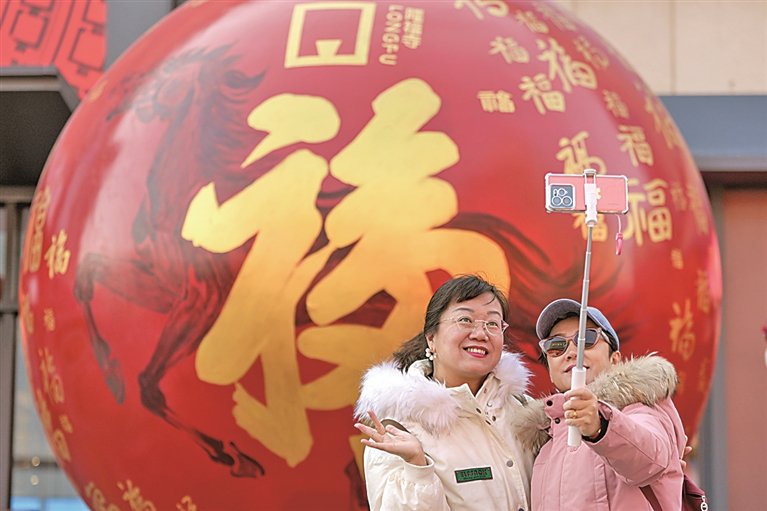
Core Viewpoint - The article highlights the vibrant atmosphere and cultural significance of the Longfu Temple area in Beijing during the Spring Festival, showcasing its transformation into a cultural hub that blends historical heritage with contemporary art and lifestyle [1][3]. Group 1: Cultural and Economic Impact - The Longfu Temple area has become a bustling cultural "parlor" of the city, reflecting a deep integration of historical memory with modern art and lifestyle [3][5]. - The area has experienced revitalization through meticulous urban renewal efforts, preserving various architectural styles while fostering a dialogue between ancient and modern elements [3][4]. Group 2: Visitor Experience and Offerings - The New Year market at Longfu Temple features traditional snacks and innovative products, such as the new "京八件" pastries that combine bronze vessel designs with blind box concepts, enhancing customer experience [4][5]. - The market has become a popular destination for both tourists and locals, with attractions like the "隆福马" sculpture and various cultural displays drawing significant crowds [2][3]. Group 3: Future Developments - The second phase of the Longfu Temple project is set to open in September 2025, aiming to introduce more brands related to art, technology, and traditional businesses, further enriching the area's cultural landscape [4][5].
总书记问孩子:“作业多不多”,还给兔儿爷插了福字旗
Xin Lang Cai Jing· 2026-02-13 09:02
Group 1 - Xi Jinping visited the historic Longfu Temple area to celebrate the Lunar New Year with the public, engaging in traditional market activities and showcasing cultural heritage [1][4] - The event featured traditional crafts and products, including the "Rabbit Master" figurines and various cultural creative items, highlighting the importance of preserving intangible cultural heritage [1] - Xi Jinping interacted warmly with citizens, expressing interest in traditional crafts and local delicacies, which reflects a connection between leadership and community [2][4] Group 2 - The visit included purchasing local foods and cultural products, emphasizing the significance of local cuisine and traditions in the context of the New Year celebrations [2][1] - The atmosphere was lively, with citizens sharing personal stories and experiences, showcasing a sense of community and cultural pride [2][4] - Xi Jinping extended heartfelt New Year wishes to the public, reinforcing the government's commitment to the well-being of its citizens [4]
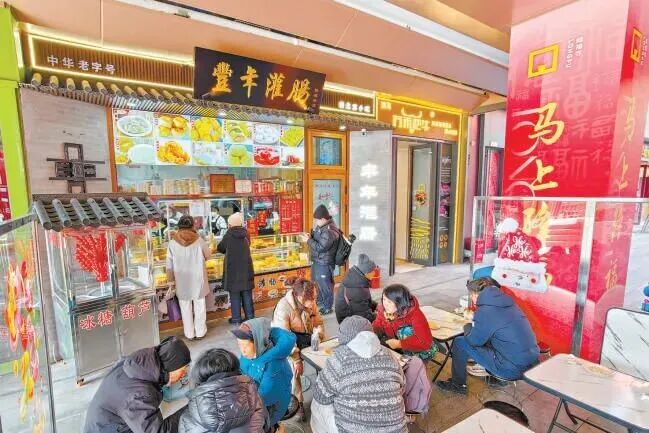
考察回访|“我们会努力传承和发展好北京特色食品”
Xin Lang Cai Jing· 2026-02-13 04:51
Group 1 - The visit of General Secretary Xi Jinping to the Longfu Temple street market has generated significant public interest and engagement with local food vendors [2][3] - The store manager of Fengnian Sausage reported a notable increase in sales following the visit, with 200 kilograms sold in one day, indicating a strong demand for local delicacies [3] - The store is planning to expand with a new location, reflecting confidence in the growth of the local food industry and the popularity of Beijing's specialty foods [3]
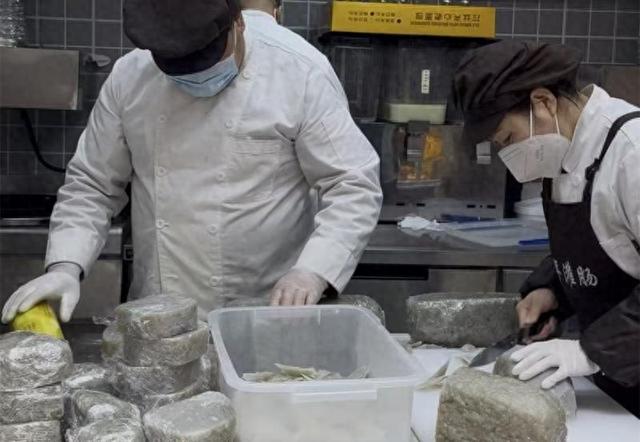
隆福寺里探年味(新春走基层)
Ren Min Ri Bao· 2026-02-13 00:34
Group 1 - The article highlights the revival of traditional food and cultural practices in Beijing, particularly during the Lunar New Year celebrations, showcasing the popularity of local delicacies like pastries and sausages [1][2] - The Beijing Daoxiangcun pastry shop and Fengnian sausage shop are experiencing increased sales, with the latter reportedly selling up to 300 kilograms daily as demand rises during the festive season [1] - The New Spring Market at Longfu Temple features numerous traditional brands and cultural products, attracting a younger audience through innovative designs that blend traditional craftsmanship with modern trends [2][4] Group 2 - The market includes various cultural performances and activities, emphasizing the "Fu" (blessing) culture, aiming to create a joyful atmosphere for visitors [5] - The Longfu Temple area has undergone significant renovations to enhance public spaces while preserving historical architecture, contributing to its status as a cultural landmark in Beijing [5]
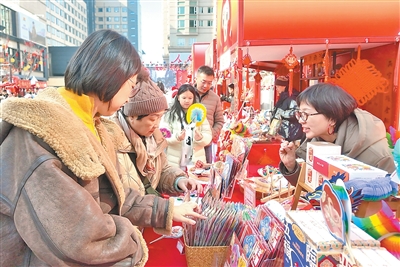
“总书记同我们一块儿买糕点、话家常”
Xin Lang Cai Jing· 2026-02-12 23:43
Group 1 - Xi Jinping visited the historic Longfu Temple area, engaging with the public and celebrating the New Year, highlighting the cultural significance of traditional Beijing snacks and crafts [2][3] - The event showcased various traditional and modern cultural products, including the "Rabbit Master" figurines and other creative items, emphasizing the importance of heritage and innovation in local craftsmanship [2] - The interaction between Xi Jinping and local artisans, such as the "Rabbit Master" craftsman, underscored the government's support for cultural preservation and the promotion of local traditions [2] Group 2 - The visit included personal interactions with families, where Xi Jinping expressed interest in children's education and local delicacies, reflecting a connection with the community [3][4] - The atmosphere of the market was lively, with Xi Jinping participating in local customs and sharing New Year blessings, which reinforced the cultural identity and festive spirit of the region [4]