
苏州碳普惠体系

Search documents
全国首个市场化碳普惠体系服务500家企业
Jiang Nan Shi Bao· 2025-10-22 13:42
Core Viewpoint - The establishment of the Suzhou Carbon Inclusive System has provided innovative solutions for small and medium-sized enterprises to participate in the carbon market, contributing to global climate governance and carbon neutrality efforts [1][2]. Group 1: Carbon Market Development - The Suzhou Carbon Inclusive System has served nearly 500 enterprises over two years, issuing 350,000 tons of carbon reduction credits, equivalent to planting 2.3 million trees, and completing transactions of 140,000 tons, equivalent to planting 900,000 trees [1]. - The system is a significant supplement to China's multi-layered carbon market, quantifying low-carbon behaviors of individuals and enterprises into tradable carbon assets [1][2]. - The National Grid Corporation has actively promoted the carbon inclusive market, creating a full-chain service model that includes verification, reduction, trading, certification, and finance, covering six major reduction scenarios [2]. Group 2: Cross-Regional Cooperation and Technology - The Suzhou platform has facilitated cross-provincial cooperation, with entities from Zhejiang, Anhui, Shandong, and Sichuan participating, utilizing blockchain technology to ensure traceability of carbon assets throughout the process [2]. - In July, the Liaocheng Transportation Group completed its first cross-provincial transaction through the Suzhou platform, quantifying low-carbon behaviors into 904 tons of carbon assets, with 200 tons sold at a price of 20 yuan per ton, generating a revenue of 4,000 yuan [2]. Group 3: International Recognition - The innovative experience of the Suzhou Carbon Inclusive System has been included in the United Nations Global Compact's 25th Anniversary Case Library, highlighting its role in bridging the gap between carbon reduction supply and demand [3].

为企业“降碳”这事儿,国网江苏电力是认真的!
Jiang Nan Shi Bao· 2025-10-21 07:32
Core Viewpoint - The article emphasizes the critical role of enterprises in achieving sustainable development and addressing climate change, particularly through carbon reduction initiatives in the energy sector [1] Group 1: Carbon Reduction Initiatives - The State Grid Corporation of China has introduced an innovative "Electricity Big Data + Carbon Footprint Management" service system, which has saved over 1 million yuan in energy costs and reduced carbon emissions by over 1,000 tons for a specific electronics manufacturer [2] - If the "Electricity Big Data + Carbon Footprint Management" model is implemented nationwide, it is projected to reduce carbon emissions by nearly 40 million tons annually [2] Group 2: Carbon Footprint Management - The carbon footprint data for products is collected in real-time through 179 smart electric meters, allowing for transparency in carbon emissions throughout the production process [4] - The time required for carbon footprint verification has been reduced from 15 days to 1 day, resulting in an 85% increase in efficiency [6] Group 3: Carbon Trading and Market Development - The Suzhou Carbon Inclusive System has served nearly 500 enterprises over two years, issuing carbon reduction certificates amounting to 350,000 tons and completing carbon trading of 140,000 tons [6] - The system has facilitated cross-regional cooperation in carbon trading, utilizing blockchain technology to ensure traceability of carbon assets [11] Group 4: Global Impact and Recognition - The innovative practices of the Suzhou Carbon Inclusive System have been included in the United Nations Global Compact's 25th-anniversary case study collection, highlighting its effectiveness in bridging the gap between carbon supply and demand [12]

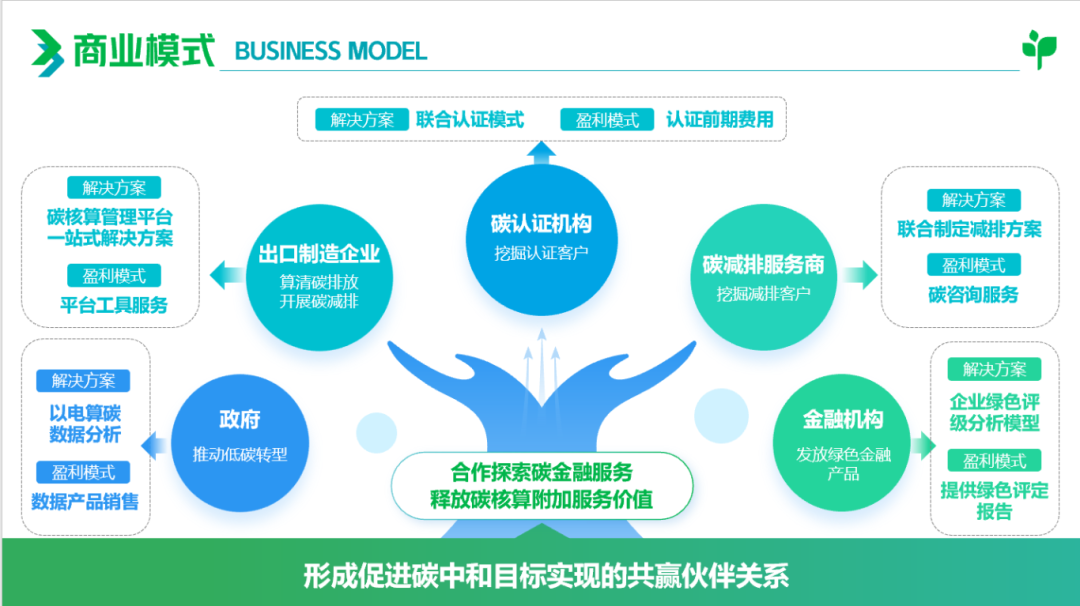
全国首个市场化碳普惠机制服务500家企业 实现碳交易14万吨
Yang Zi Wan Bao Wang· 2025-10-20 01:58
Core Insights - The Suzhou Carbon Inclusive System, China's first market-oriented carbon inclusive system, has served nearly 500 enterprises and issued carbon reduction amounts of 350,000 tons, equivalent to planting 2.3 million trees, over two years [1] - The system aims to provide innovative solutions for small and medium-sized enterprises to participate in the carbon market, contributing to global climate governance and sustainable development [1] Group 1 - The Suzhou Carbon Inclusive System has completed transactions of 140,000 tons, equivalent to planting 900,000 trees, highlighting its effectiveness in carbon trading [1] - The system is a significant supplement to China's multi-layered carbon market, quantifying low-carbon behaviors of individuals and enterprises into tradable carbon assets [1] - The system has attracted participation from various provinces, including Zhejiang, Anhui, Shandong, and Sichuan, promoting cross-regional cooperation [2] Group 2 - The State Grid Corporation of China has actively promoted the construction of the carbon inclusive market, establishing a comprehensive service model covering verification, reduction, trading, certification, and finance [2] - The first cross-provincial transaction was completed by Liaocheng Transportation Group in July, quantifying low-carbon behaviors into 904 tons of carbon assets, with 200 tons sold at a price of 20 yuan per ton, generating a revenue of 4,000 yuan [2] - The system utilizes blockchain technology to ensure the traceability of carbon assets throughout the entire process [2] Group 3 - The innovative experience of the Suzhou Carbon Inclusive System has been included in the United Nations Global Compact's 25th-anniversary case library, showcasing its role in bridging the supply and demand for carbon reduction [3] - The system is seen as a model for sustainable development and building a community with a shared future for mankind, encouraging more organizations and individuals to participate in carbon inclusive cooperation [3]
苏州碳普惠体系两年完成碳交易14万吨创新经验纳入联合国典型案例库
Xin Hua Ri Bao· 2025-10-18 23:25
Core Insights - The Suzhou Carbon Inclusive System, China's first market-oriented carbon inclusive system, has served nearly 500 enterprises over two years, issuing 350,000 tons of carbon reduction, equivalent to planting 2.3 million trees, and completing a transaction volume of 140,000 tons, equivalent to planting 900,000 trees [1][2] Group 1: System Overview - The Suzhou Carbon Inclusive System is designed to provide innovative solutions for small and medium-sized enterprises to participate in the carbon market [1] - The system covers six major emission reduction scenarios, including residential electricity savings and wetland carbon sinks, activating dispersed carbon assets [1] Group 2: Financial Impact - In July, the Shandong Liaocheng Transportation Group completed its first cross-province transaction through the Suzhou system, quantifying low-carbon behavior from new energy buses into 904 tons of carbon assets, selling 200 tons at a price of 20 yuan per ton, generating a revenue of 4,000 yuan [2] - The system has attracted cooperation from ten regions across four provinces, including Zhejiang, Anhui, Shandong, and Sichuan [2] Group 3: Technological Integration - The system utilizes blockchain technology to ensure the traceability of carbon assets throughout the entire process [2] - The innovative experience of the Suzhou Carbon Inclusive System has been included in the United Nations Global Compact Organization's 25th-anniversary typical case library [2] Group 4: Future Development - The Suzhou Carbon Inclusive System plans to gradually promote the development of more emission reduction projects and the creation of low-carbon scenarios in the future [2]
苏州碳普惠体系两年完成碳交易14万吨
Xin Hua Ri Bao· 2025-10-18 22:06
Core Insights - The Suzhou Carbon Inclusive System, China's first market-oriented carbon inclusive system, has served nearly 500 enterprises over two years, issuing 350,000 tons of carbon reduction, equivalent to planting 2.3 million trees, and completing a transaction volume of 140,000 tons, equivalent to planting 900,000 trees [1][2] Group 1 - The Suzhou Industrial Park is one of the first carbon peak pilot parks in the country, gathering various green manufacturing enterprises with a strong willingness to reduce carbon emissions [1] - In 2022, State Grid Jiangsu Electric Power Company, leveraging the industrial advantages of the Suzhou Industrial Park, established a comprehensive service model covering six major emission reduction scenarios, activating dispersed carbon assets [1] - The carbon inclusive service system allows sellers to gain additional income through emission reduction actions, while buyers pay for environmental rights, facilitating a win-win situation for social low-carbon transformation [1] Group 2 - In July, the Shandong Liaocheng Transportation Group completed its first cross-provincial transaction through the Suzhou system, quantifying low-carbon behavior from new energy buses into 904 tons of carbon assets, with 200 tons sold at a price of 20 yuan per ton, generating revenue of 4,000 yuan [2] - The system has attracted cross-regional cooperation from ten locations across four provinces, including Zhejiang, Anhui, Shandong, and Sichuan [2] - The use of blockchain technology in the system ensures the traceability of carbon assets throughout the entire process, and its innovative experience has been included in the United Nations Global Compact Organization's 25th-anniversary case library [2]