英国威士忌

Search documents
单方面免签政策再添两国,中方在下一盘很大的棋
Sou Hu Cai Jing· 2026-02-17 05:11
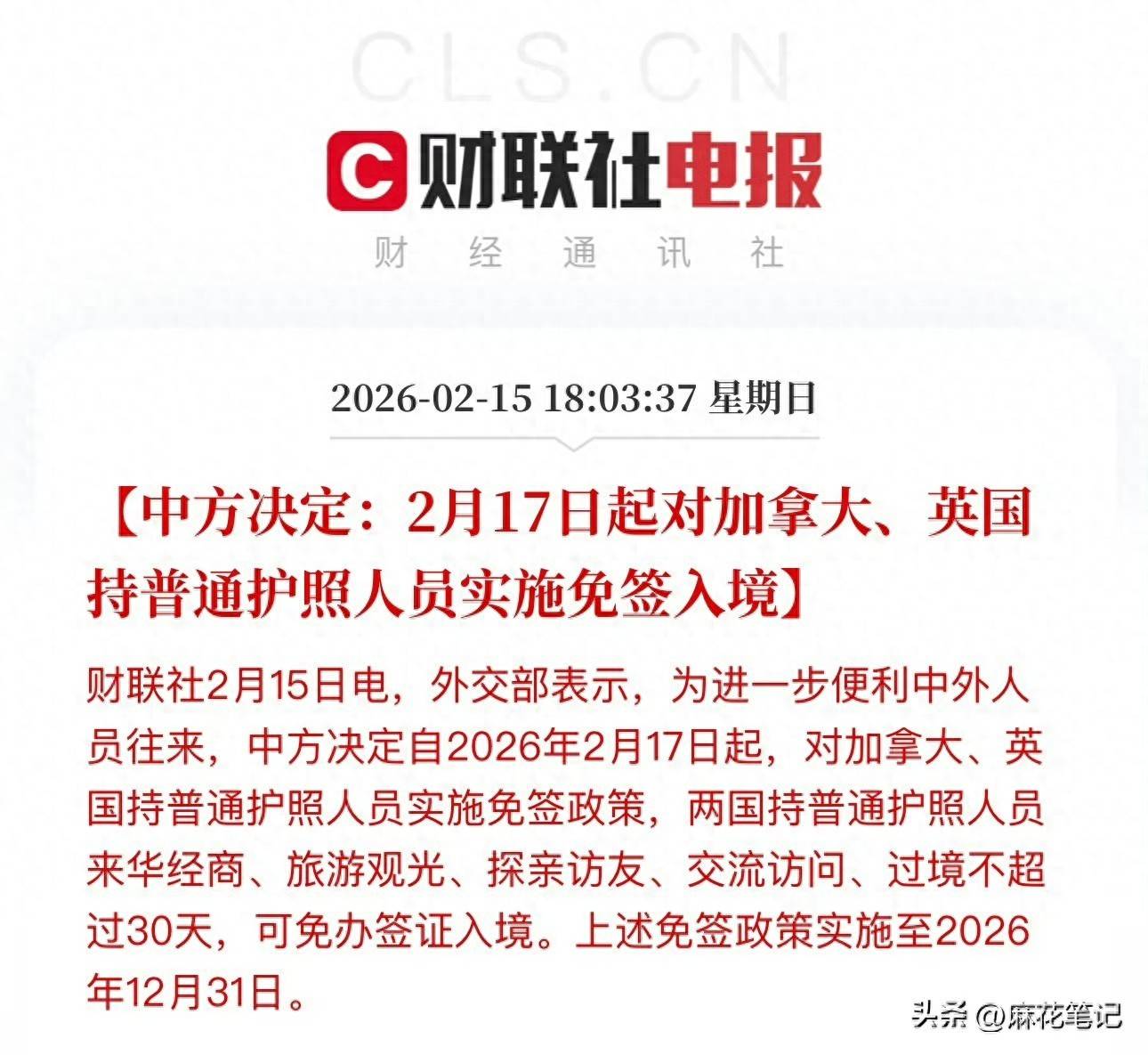
Core Viewpoint - China's unilateral visa exemption policy reflects its increasing openness and confidence, marking a significant step in its global strategic layout [1][3][5] Group 1: Visa Exemption Policy Details - Starting from February 17, 2026, China will implement a visa exemption policy for ordinary passport holders from Canada and the UK, allowing stays of up to 30 days for business, tourism, and family visits [1] - The policy will remain in effect until December 31, 2026, and is part of broader diplomatic efforts to strengthen ties with these countries [1] - The decision follows recent high-level visits and agreements between China and Canada, as well as China and the UK, aimed at enhancing economic cooperation [1] Group 2: Economic Implications - The visa exemption policy is expected to stimulate domestic consumption and attract foreign tourists, with projections indicating around 40.6 million foreign visitors by 2025, potentially generating an estimated $70 billion in consumer spending [5][7] - The policy is part of China's broader strategy to enhance its global economic presence and improve its attractiveness as a destination for foreign investment [7] Group 3: Cultural and Strategic Significance - The policy serves as a tool for cultural exchange, helping to break down Western media biases and showcasing the real China to the world [7] - It also supports the global dissemination of Chinese traditional culture, reinforcing China's cultural confidence amid its economic and technological advancements [5][7]

对非洲免税,对英加免签,在美打贸易战的时候,中国换赛道超车
Sou Hu Cai Jing· 2026-02-16 06:48
Group 1: Trade Relations with Africa - China announced a zero-tariff policy for 53 African countries starting May 1, 2026, which includes logistics hubs and green channels [1] - Trade between China and Africa is significant, with annual trade reaching approximately $350 billion, where exports to Africa are $225 billion and imports are $125 billion [4] - Lowering import tariffs on resource products from Africa will reduce domestic manufacturing costs and enhance international competitiveness for China [6] Group 2: Visa Policy Changes - From February 17, 2026, to the end of the year, ordinary passport holders from the UK and Canada will be able to enter China visa-free for up to 30 days [7] - The visa exemption is expected to boost business exchanges, tourism, and cultural interactions between China and these countries [9] - The diplomatic gesture reflects China's strategic flexibility and confidence in fostering international relations [11]
中方宣布减税5%,与英国达成12项合作,特朗普急了,这么干很危险
Sou Hu Cai Jing· 2026-02-02 06:22
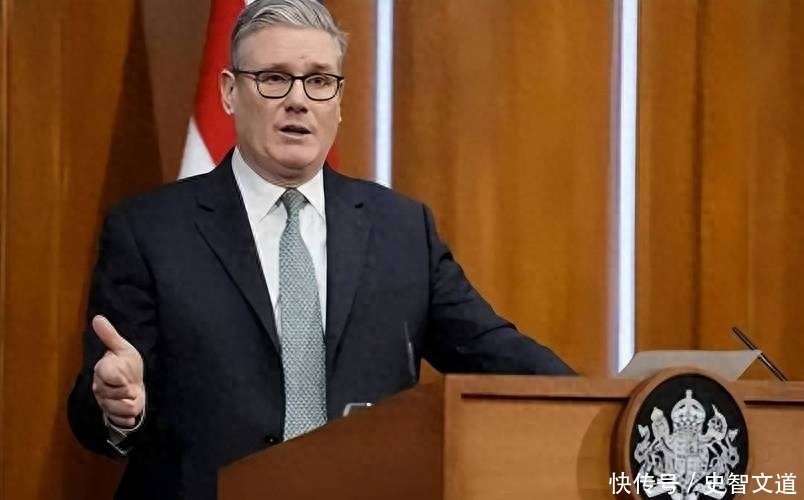
Group 1 - The core point of the article highlights the thawing of UK-China relations following a significant diplomatic visit by UK Prime Minister Keir Starmer, marking a strategic shift in foreign policy [1][3] - During this visit, 12 important cooperation agreements were signed between the UK and China, covering areas such as trade, agriculture, food, cultural exchange, and market regulation [3] - A notable adjustment was the reduction of import tariffs on UK whisky from 10% to 5%, representing a nearly 50% decrease, which is seen as a boost for the struggling UK economy [3] Group 2 - The cooperation signifies a broader message that constructive dialogue can lead to lowered barriers, with Starmer focusing on practical areas of collaboration rather than getting entangled in value-based debates [4] - The reaction from former US President Trump was one of anger, as he expressed concerns over the UK-China economic ties, threatening punitive tariffs on Canada if it followed suit [4][5] - The article suggests that Starmer's decision to engage with China reflects a recognition of the shifting economic landscape, where reliance on the US may not provide the same benefits as collaboration with the resilient Chinese market [5][6]
中方宣布减税5%,与英国达成11大成果,特朗普急了:这么干很危险
Sou Hu Cai Jing· 2026-01-31 07:23
Core Insights - The article highlights the recent developments in China-UK relations, marked by a cooperation list that includes significant economic measures such as the reduction of import tariffs on British whisky from 10% to 5% and a visa waiver policy for UK citizens [1][3][9] Group 1: Economic Cooperation - The cooperation list includes eleven outcomes across various sectors, indicating a renewed commitment to collaboration between China and the UK after eight years of strained relations [1][3] - British Prime Minister Starmer's visit to China resulted in tangible agreements, including increased investment from AstraZeneca in China and enhanced access for professional services [5][7] - The reduction in whisky tariffs and the visa waiver are seen as concrete policy signals rather than mere gestures, reflecting a shift in the dynamics of China-UK relations [9][10] Group 2: Political Context - The timing of the cooperation announcement coincides with rising global trade uncertainties and protectionism, suggesting that China is proactively seeking partnerships despite external pressures [9][10] - Trump's warnings to the UK and Canada about the risks of engaging with China highlight the contrasting approaches to China among Western nations, with some leaders opting for cooperation rather than confrontation [12][18] - The article notes a broader trend of European leaders visiting China, indicating a shift in diplomatic strategies as countries reassess their economic relationships with China [14][16]