莱卡面料

Search documents
莱卡也破产了
虎嗅APP· 2026-03-28 09:34
Core Viewpoint - The article discusses the bankruptcy protection application of Lycra, a leading player in the elastic fiber industry, highlighting the financial struggles and mismanagement following its acquisition by Shandong Ruyi Group, which aimed to create a fashion empire similar to LVMH [5][6][12]. Group 1: Company Background - Lycra, known for its high-quality elastic fabric, has been a dominant force in the textile industry, with 1.3 billion garments certified each year [5]. - The company originated from DuPont's development of spandex in the late 1950s, which revolutionized the fabric market and led to its widespread adoption in various clothing categories [8][9]. - By the late 1990s, Lycra held over 50% market share in the global spandex market, becoming a cultural icon in fashion [10]. Group 2: Acquisition and Financial Struggles - In 2019, Shandong Ruyi Group acquired Lycra for $2.6 billion, aiming to integrate it into a broader luxury fashion strategy [6][12]. - Shortly after the acquisition, Ruyi faced severe financial difficulties, leading to a default on loans used for the purchase, with total debts reaching $4.4 billion by mid-2019 [13][14]. - The COVID-19 pandemic exacerbated Ruyi's financial woes, resulting in multiple lawsuits and a significant decline in cash flow [13][14]. Group 3: Bankruptcy and Restructuring - In March 2023, Lycra filed for bankruptcy protection, with debts exceeding $1.5 billion, primarily due to unsustainable debt levels from the acquisition [5][18]. - The bankruptcy filing included a prepackaged restructuring plan, converting over $1.2 billion of debt into equity, which would significantly reduce total debt from $1.53 billion to approximately $330 million [19]. - Despite the restructuring, Lycra faces challenges in regaining market share lost to competitors from Asia, particularly in the high-end spandex market [17][19].


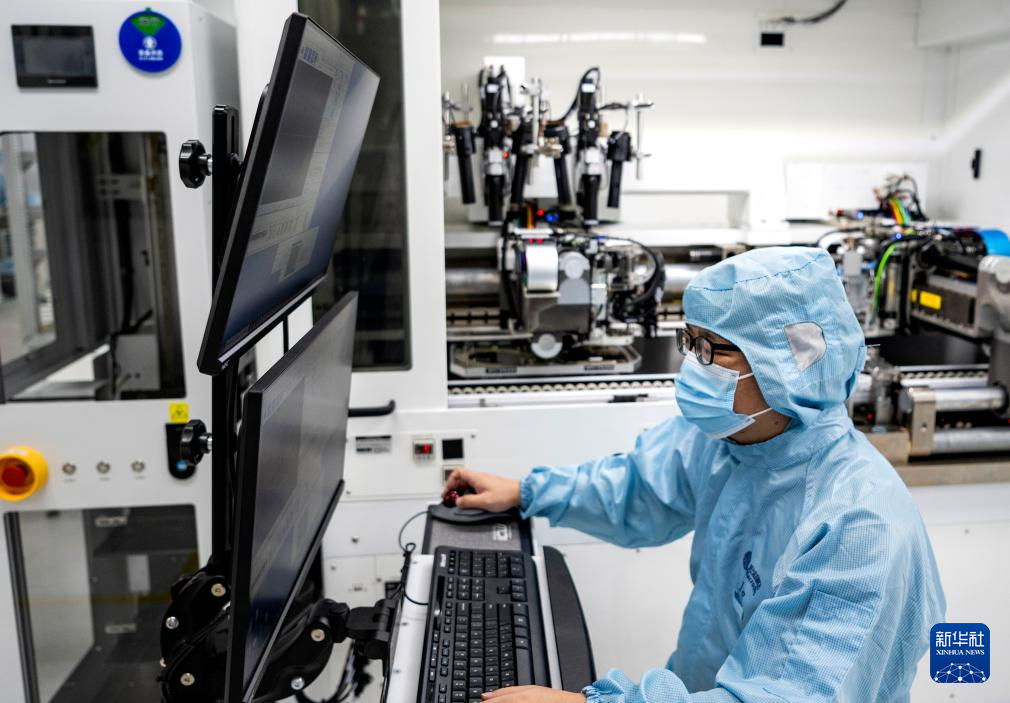
福建泉州:数字赋能传统产业 激活民企发展新动能
Ren Min Wang· 2025-07-25 15:46
Core Viewpoint - Fujian Province's Quanzhou City is leveraging digital transformation and technological innovation to enhance traditional industries, transitioning from "manufacturing" to "intelligent manufacturing" and stimulating new growth in private enterprises [2][4][6][8][12] Group 1: Digital Economy Growth - The overall scale of Quanzhou's digital economy is projected to exceed 700 billion yuan in 2024, accounting for over 56% of the city's GDP [2][4][6][8][12] Group 2: Technological Innovation - Quanzhou is focusing on technological innovation to improve industry quality and efficiency, providing sustainable support for traditional industry upgrades [2][4][6][8][12] Group 3: Private Enterprise Development - The initiatives in digital transformation are aimed at activating new momentum for the development of private enterprises in Quanzhou [2][4][6][8][12]