蛋糕粉

Search documents
情绪摩擦,正在重写消费者的决策路径
3 6 Ke· 2025-10-28 07:15
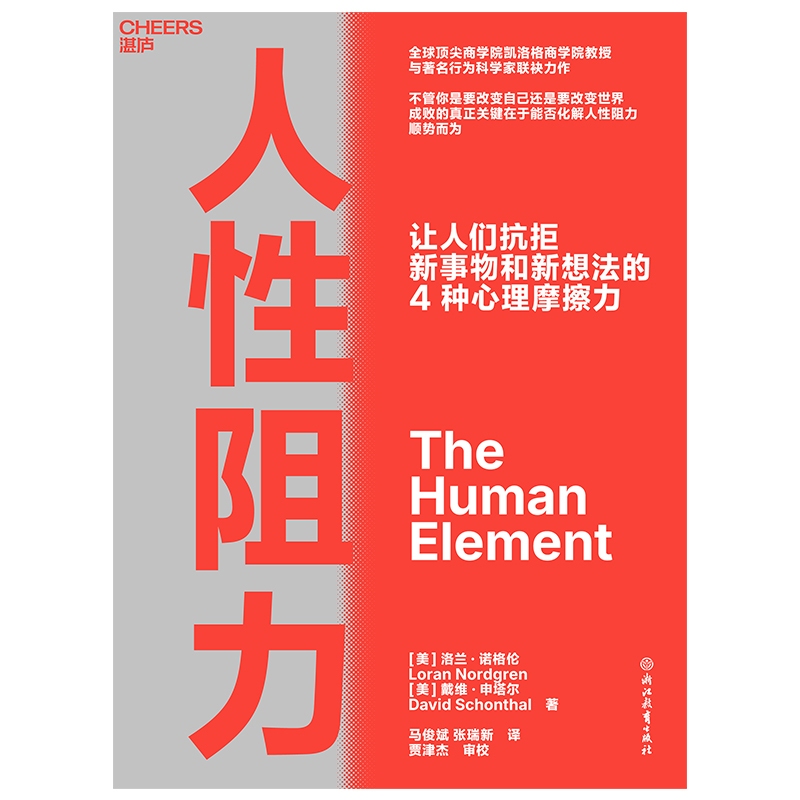
Core Insights - The core argument of the article emphasizes that the primary barrier to consumer action is not a lack of motivation but rather emotional friction, which is often overlooked [1][3]. Emotional Value - Consumers "hire" products and services for three fundamental values: functional value (e.g., saving time), social value (e.g., making a good impression), and emotional value (e.g., providing joy) [4][5]. Case Studies - **Case Study 1: Cake Mix Promotion** The initial rejection of a convenient cake mix was due to emotional significance attached to baking as an expression of love. A small adjustment to the product allowed users to regain emotional recognition, leading to a significant increase in sales [6]. - **Case Study 2: Tinder's Innovation** Tinder addressed emotional pain points in online dating by eliminating the anxiety of rejection through its matching mechanism, which allowed users to confirm mutual interest before initiating contact. This innovation disrupted traditional platforms and created substantial value [7]. - **Case Study 3: Animal Shelter's Insight** An animal shelter discovered that the emotional attachment to pets was a significant barrier for women seeking help from abusive situations. By allowing pets in the shelter, they eliminated emotional friction and increased the number of women receiving assistance [8][9]. Identifying Emotional Friction - Emotional friction is a subconscious negative feeling that can inhibit new ideas or innovations. To assess the level of emotional friction associated with a new idea, consider the audience's feelings of threat or anxiety and whether the innovation might disrupt broader needs [10][11]. Methods to Address Emotional Friction - **Asking "Why"** Understanding the reasons behind resistance to innovation can help identify the root causes of emotional friction. Open-ended inquiries can reveal deeper insights into consumer hesitations [11][12]. - **Precise Observation** Observing consumer behavior in natural settings can provide a clearer understanding of their emotional needs and concerns, which may not be articulated in conversations [12][13]. - **Involving the Audience** Engaging consumers in the innovation process can help uncover their core pain points and anxieties, fostering a deeper understanding of their emotional friction [13][14]. Broader Psychological Barriers - The article also discusses other psychological barriers to behavior change, including effort friction, reaction friction, and identity friction, which collectively shape consumer emotions, psychology, and behavior [15].