
社会价值

Search documents
2026,与君共赴价值的山海
盐财经· 2026-01-01 02:03
Core Viewpoint - The article reflects on the 40-year journey of the publication "Southern Window," emphasizing its commitment to social value and the importance of deep engagement with the evolving societal landscape [4][12][20]. Group 1: Historical Context - The publication was founded in 1985 with the aim of recording the times, promoting trends, and facilitating change for public benefit, witnessing significant economic and social transformations over the decades [4][6]. - It has served as a mirror to the country's modernization journey, capturing the rise and fall of various thoughts and movements [4][6]. Group 2: Current Challenges - The era is characterized as a "breaking wall" time, where technological advancements, particularly generative AI, challenge traditional thinking and the media landscape [7][10]. - The overwhelming influx of information, especially through short videos and fragmented reading, has led to a sense of intellectual poverty despite the vast consumption of content [9][10]. Group 3: Social Value and Responsibility - The article highlights the importance of social value, which is rooted in practical engagement and responsibility, as demonstrated by the twelve individuals honored for their contributions to society [12][15]. - True social value is found in professional dedication, resilience in life, cultural authenticity, and the building of knowledge bridges, all aimed at public welfare [15][17]. Group 4: Future Directions - The publication aims to adapt to the changing media landscape while maintaining its core values of rational discourse and public interest [20][22]. - It emphasizes the need for deep understanding and insight in a fragmented information environment, positioning itself as a key player in providing thoughtful content [20][23]. - The commitment to innovation and self-renewal is crucial for the publication to continue fulfilling its mission in a rapidly evolving world [27][25].


“星耀领航计划”走进梦工场投资,探寻价值投资与责任投资融合之路
Zhong Guo Zheng Quan Bao· 2025-12-27 14:15
Group 1 - The core concept of the "Starry Navigation Plan" is to create a leading platform for private equity in the technology innovation sector, focusing on the dual empowerment of private equity institutions and technology enterprises, and promoting a healthy ecosystem for technology, capital, and the real economy [1] - Dream Factory Investment has developed a unique investment framework characterized by "certainty value," balancing high win rates with reasonable odds to achieve sustainable long-term returns [2] - The investment philosophy is divided into "classic value" focusing on return rates and operational sustainability, and "modern value" emphasizing high growth potential and value reshaping through technological innovation [2] Group 2 - Dream Factory Investment integrates public welfare deeply into its corporate DNA, with a philosophy that combines commercial success with social responsibility, providing professional asset management services to charitable foundations [3] - The company has established a transparent operational model that builds a reliable bridge between high-net-worth clients and public welfare needs, enhancing the value of wealth through charitable engagement [3] - The firm extends its services beyond traditional asset management to include family trust structures, second-generation investment education, and public welfare participation, offering a comprehensive solution for long-term wealth transfer and social value realization [4] Group 3 - The "Starry Navigation Plan" aims to build a one-stop private equity ecosystem service system, aligning with Dream Factory Investment's approach of providing systematic solutions rather than just products [6] - The initiative seeks to shift the private equity industry from product competition to comprehensive value competition, incorporating professional capabilities, technological empowerment, and social responsibility [6] - Dream Factory Investment emphasizes the role of private equity institutions as investment management service providers, aiming to create long-term returns for clients while supporting technological innovation and promoting social responsibility [6]
秦英林:社会价值是企业发展的着力点,是构建新范式的原点
Xin Lang Cai Jing· 2025-12-08 09:59
Core Viewpoint - The core viewpoint emphasizes that social demand is the fundamental reason for a company's existence, and that social value is the focal point for development in the new business paradigm [3][18]. Group 1: Business Philosophy - Social demand is the fundamental reason for a company's existence; without it, technology and management lose their significance [3][18]. - The essence of business is service, providing products and services to the market; the highest realm of business is love, discovering market needs through compassion [3][18]. - The new paradigm does not distinguish between old and new; the core is the enhancement of cognition, focusing on social value and promoting openness and shared creation [3][18]. Group 2: Value Creation - Social value is defined by the unity of economic, ecological, and social benefits, reflected in resource efficiency, green development, and win-win growth [4][19]. - Companies must focus on technological innovation to lower costs and achieve cost leadership; failing to do so indicates insufficient capability [4][19]. - The essence of social benefit is co-creation and shared growth, emphasizing the importance of sharing technology, platforms, and talent [4][19]. Group 3: Economic Efficiency - Economic efficiency prioritizes efficiency, which represents value for money and is a constant theme in market economics; achieving lower prices while maintaining quality is essential [9][24]. - Companies must innovate to create more value for customers, ensuring that they can offer better products at competitive prices [10][25]. - Achieving cost leadership through technological innovation is crucial for survival in the industry [10][25]. Group 4: Ecological Development - The company is committed to "low-carbon pig farming," with a target of 0.905 kg CO₂e per kilogram of pork by 2024, significantly lower than international averages [11][26]. - Efforts to reduce carbon emissions span all production stages, contributing to both ecological responsibility and business opportunities [11][26]. - The company has implemented air purification systems in pig farms, achieving a 99.9% sterilization rate and significantly improving air quality [12][27]. Group 5: Social Impact - The essence of social benefit is co-creation and shared growth, with a focus on enabling others to succeed and creating unlimited business opportunities [13][28]. - The company has invested 24.8 billion in building an intelligent veterinary platform, enhancing service capabilities for surrounding farmers [13][28]. - By fostering collaboration with over 12,700 specialized farmers, the company aims to transform China's pig farming industry from a major producer to a strong competitor [13][28].

这几年,薇娅去干什么了?
Xin Lang Cai Jing· 2025-11-30 10:25
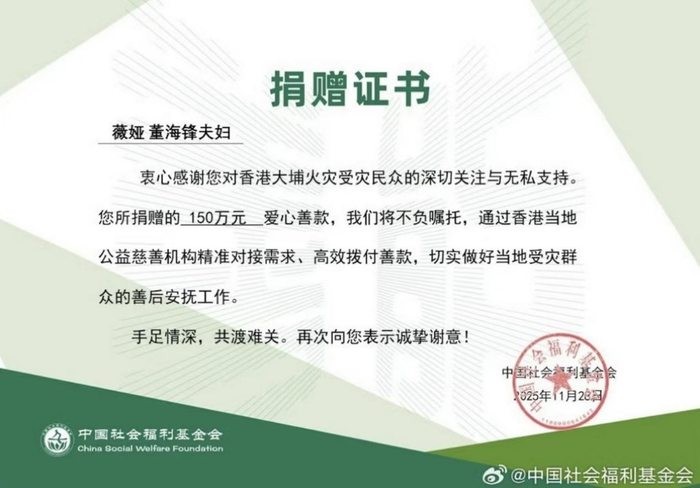
Core Viewpoint - The article highlights the philanthropic efforts of Viya and her husband, who donated 1.5 million yuan following a fire in Hong Kong, showcasing her ongoing influence and commitment to social responsibility beyond her previous career in live streaming [1][6]. Group 1: Philanthropic Activities - Viya has consistently engaged in various charitable activities, including donations during natural disasters such as the 2021 Zhengzhou floods and the 2023 Beijing-Tianjin-Hebei floods, demonstrating a stable and impactful approach to philanthropy [1][2]. - The donation of 1.5 million yuan is part of her broader commitment to social causes, reflecting her desire to contribute meaningfully rather than seeking public attention [1][6]. Group 2: Industry Influence - Despite her departure from live streaming, Viya's influence in the e-commerce industry remains strong, as her long-term values and experiences continue to resonate within the sector [2][4]. - The rapid evolution of the live streaming industry means that while new influencers may rise quickly, Viya's established reputation and sense of responsibility set her apart, making her a benchmark for others in the field [2][3]. Group 3: Transition and Legacy - Viya's transition from live streaming to social impact provides a model for other influencers, illustrating how to leverage their skills for societal benefit [2][3]. - Her approach emphasizes the importance of maintaining a stable presence in the industry through social contributions rather than solely relying on live streaming for relevance [1][4].
2025美好生活|高质量发展与消费升级-2025年度美好生活新消费高峰论坛即将启幕
Sou Hu Cai Jing· 2025-11-17 10:23
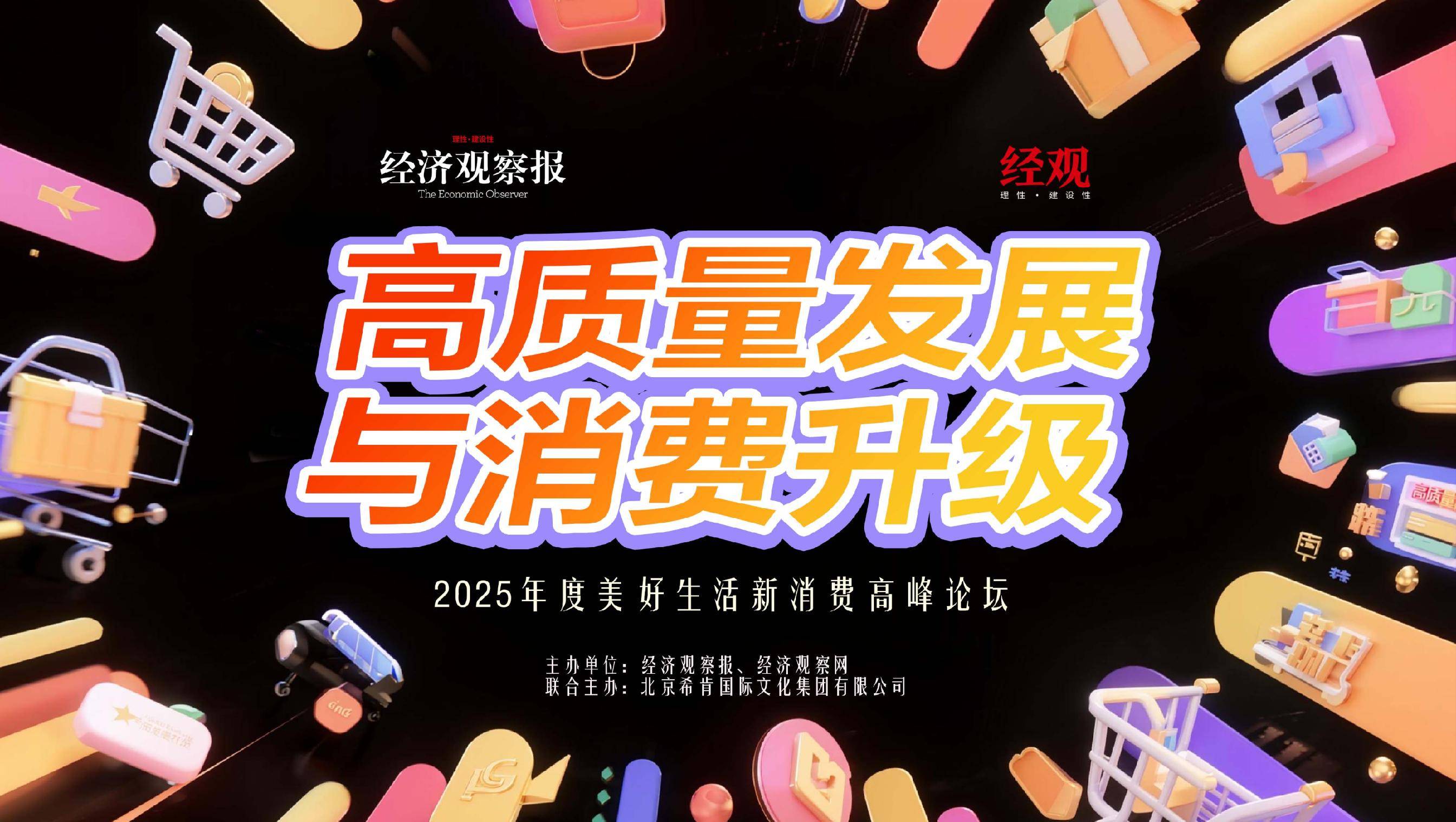
Core Insights - The Chinese consumer market is undergoing a significant transformation, shifting from a focus on "cost-performance" to "emotional value" and "technological trust" as key competitive variables [2][6][7] - A high-quality development and consumption upgrade forum will be held on November 21, 2025, in Beijing, aimed at exploring paths for industry transformation and sustainable development [3][7] Market Structure - By 2025, the Chinese consumer market is expected to exhibit a "dumbbell" structure, characterized by rapid growth in consumption among Generation Z and a burgeoning silver economy focused on quality living, creating a trillion-level market [6] - This structural change is shifting consumer logic from "satisfying needs" to "creating demand," with consumers seeking products that embody more emotional and social values [6] Product Development - Companies are increasingly focusing on the emotional resonance and social value of their products, moving away from standardized goods [6] - Innovations such as "zero-additive herbal tea" and culturally enriched bottled water are examples of how brands are meeting urban consumers' demands for "natural health" and storytelling [6] Competitive Focus - The competition is shifting from market share to meticulous refinement across the entire R&D, production, and service chain [6] - Companies are embedding "craftsmanship" into the less visible aspects of the supply chain, enhancing product quality through advanced techniques like micron-level homogenization in dairy products and precise temperature control in chocolate production [6] Technological Integration - Technology is becoming a new engine for upgrading the consumer industry, with AI, IoT, and blockchain technologies deeply penetrating the supply chain [7] - The integration of technology with traditional practices is enhancing production efficiency and establishing "assured consumption" as a core competitive advantage [7] Future Outlook - The upcoming forum is anticipated to provide critical insights for the next decade of the consumer market, emphasizing that product value is not just a gift of nature but a commitment from companies to a better life [7]
平台更多样,工具更智能,学习和学业需要做好规划—— 大三学生怎样看待“卷”与“躺”(青年观察·大学的路怎么走①)
Ren Min Ri Bao· 2025-11-10 22:54
Core Viewpoint - The article explores the experiences and challenges faced by university students, emphasizing the importance of self-directed learning and personal growth during their academic journey [1][12]. Group 1: Learning Environment - University life is a critical period for personal growth, where students transition from adolescence to maturity, developing their knowledge framework and values [1]. - The article highlights the diverse learning environments at Zhejiang University, including libraries and study rooms, which are often crowded, especially during exam periods [3][8]. - Students are increasingly engaging in research-oriented learning, starting from their first or second year, which helps them explore personal interests and develop independent thinking skills [3][4]. Group 2: Learning Strategies - Students are utilizing various online platforms and tools for self-directed learning, such as MOOCs and educational videos, to supplement their formal education [5][6]. - The importance of finding intrinsic motivation for learning is emphasized, with students encouraged to balance their studies with personal interests and goals [6][10]. - Time management tools, including calendar apps, are commonly used by students to organize their schedules and enhance productivity [7]. Group 3: Support Systems - Zhejiang University has established a multi-layered support system to help students navigate academic pressures, including mentorship programs and peer support [8]. - The article discusses the role of faculty and staff in providing guidance and creating a supportive environment for students facing academic and emotional challenges [8][12]. Group 4: Perspectives on Competition - The article addresses the contrasting views among students regarding academic competition, with some feeling pressured to excel while others adopt a more relaxed approach [9][10]. - It suggests that healthy competition can lead to personal growth, as students are encouraged to pursue their interests rather than conforming to external pressures [10][11]. - The need for students to redefine their growth paths and explore diverse opportunities beyond traditional metrics of success is highlighted [11].
街球手邓丹:篮球跃动间,生活风浪化作掌心星河
Xin Hua She· 2025-11-07 10:53
Core Insights - The article highlights the journey of streetball player Deng Dan, who aims to promote warmth and community through basketball rather than focusing on commercial gains [1][4] - Deng Dan has created a free streetball venue called NICEID in Dongguan, where he organizes grassroots basketball events to foster connections among players [1][2] Group 1: Personal Background and Journey - Deng Dan grew up in a mining family in Hunan and developed a passion for basketball, inspired by local workers and NBA star Allen Iverson [1] - After dropping out of school at 17, he moved to Dongguan for work, where basketball became a crucial part of his life, helping him cope with the challenges of daily labor [1][2] Group 2: Impact of Basketball in Dongguan - In 2004, having basketball skills significantly improved job prospects in Dongguan, with many business partnerships formed through the sport [2] - Deng Dan returned to Dongguan in 2014, motivated by the city's vibrant basketball culture, and later founded a basketball-related brand and a free streetball court [2][3] Group 3: Community Engagement and Social Value - Deng Dan organizes over 20 events annually, attracting around 10,000 participants each time, emphasizing that streetball is more about self-expression and social interaction than competition [2] - The free basketball courts are funded through the sales of his brand, and Deng Dan also donates sports equipment to rural schools, highlighting his commitment to social value over economic gain [3][4]
情绪摩擦,正在重写消费者的决策路径
3 6 Ke· 2025-10-28 07:15
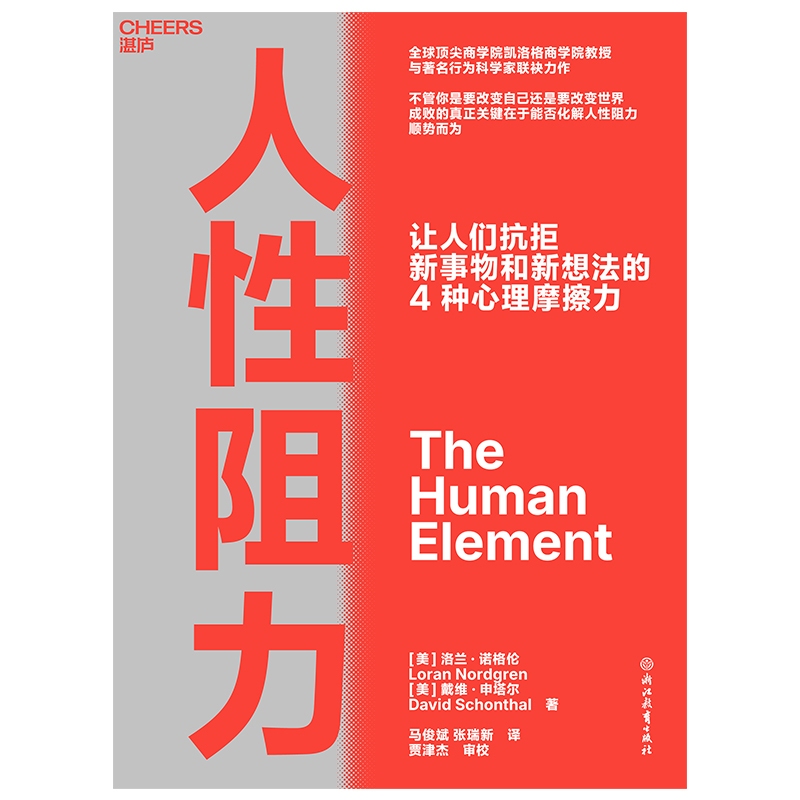
Core Insights - The core argument of the article emphasizes that the primary barrier to consumer action is not a lack of motivation but rather emotional friction, which is often overlooked [1][3]. Emotional Value - Consumers "hire" products and services for three fundamental values: functional value (e.g., saving time), social value (e.g., making a good impression), and emotional value (e.g., providing joy) [4][5]. Case Studies - **Case Study 1: Cake Mix Promotion** The initial rejection of a convenient cake mix was due to emotional significance attached to baking as an expression of love. A small adjustment to the product allowed users to regain emotional recognition, leading to a significant increase in sales [6]. - **Case Study 2: Tinder's Innovation** Tinder addressed emotional pain points in online dating by eliminating the anxiety of rejection through its matching mechanism, which allowed users to confirm mutual interest before initiating contact. This innovation disrupted traditional platforms and created substantial value [7]. - **Case Study 3: Animal Shelter's Insight** An animal shelter discovered that the emotional attachment to pets was a significant barrier for women seeking help from abusive situations. By allowing pets in the shelter, they eliminated emotional friction and increased the number of women receiving assistance [8][9]. Identifying Emotional Friction - Emotional friction is a subconscious negative feeling that can inhibit new ideas or innovations. To assess the level of emotional friction associated with a new idea, consider the audience's feelings of threat or anxiety and whether the innovation might disrupt broader needs [10][11]. Methods to Address Emotional Friction - **Asking "Why"** Understanding the reasons behind resistance to innovation can help identify the root causes of emotional friction. Open-ended inquiries can reveal deeper insights into consumer hesitations [11][12]. - **Precise Observation** Observing consumer behavior in natural settings can provide a clearer understanding of their emotional needs and concerns, which may not be articulated in conversations [12][13]. - **Involving the Audience** Engaging consumers in the innovation process can help uncover their core pain points and anxieties, fostering a deeper understanding of their emotional friction [13][14]. Broader Psychological Barriers - The article also discusses other psychological barriers to behavior change, including effort friction, reaction friction, and identity friction, which collectively shape consumer emotions, psychology, and behavior [15].
SK中国:SK在华2024年社会价值报告
Sou Hu Cai Jing· 2025-10-09 04:27
Core Insights - The report highlights SK Group's commitment to social, environmental, and economic responsibilities in China, emphasizing its "happiness management" philosophy and strategic alignment with China's development [1][2]. Group Overview - SK Group has been operating in China since 1991, with 18 member companies and 57 legal entities, employing 25,000 people and investing a total of $54.4 billion [1]. - The company operates in various sectors, including semiconductors, new energy, energy chemicals, and biopharmaceuticals, with SK Hynix being the only foreign company covering the entire DRAM and NAND flash memory supply chain in China [1][2]. Social Value Creation - SK Group's "Double Bottom Line" (DBL) strategy resulted in a social value achievement of $1.89 billion at the group level and 20.4 million RMB in China, marking a 32% year-on-year increase [2][37]. - Initiatives include establishing a public welfare foundation, sponsoring academic forums, and projects like the "Green Great Wall" for desertification prevention, with the "Happiness Alliance" project covering 21 primary schools across 8 provinces [2][37]. Environmental Responsibility - SK has joined the RE100 initiative and announced a "Net Zero" declaration, setting a "2050-α" emissions reduction target [2][41]. - In 2024, SK's operations in China achieved significant reductions in greenhouse gas emissions through technological upgrades, with SK Hynix's Wuxi entity achieving "zero waste to landfill" platinum certification for two consecutive years [2][41]. Governance and Collaboration - SK has established a governance system that exceeds international standards, enhancing board independence and professionalism, and conducting extensive training for suppliers on social responsibility [3]. - The company collaborates with various stakeholders, including government and educational institutions, to promote technology and standards exchange [3]. Future Focus - SK plans to continue focusing on technological innovation in semiconductors and new energy, deepening localization strategies, and building a comprehensive green practice system to support China's industrial upgrade and sustainable development [3].

上市敲钟是节点不是终点
Jing Ji Ri Bao· 2025-09-01 22:29
Group 1 - The core viewpoint emphasizes that going public is a significant milestone for companies, akin to taking an important exam, but it does not signify the end of their development journey [1][3] - Companies must continue to innovate and improve after going public, facing larger capital, more complex competition, and stricter regulations [1][3] - The success of a public company is not guaranteed by its initial public offering; ongoing value creation is essential for long-term sustainability [1][3] Group 2 - Social value is highlighted as a crucial aspect for public companies, which must fulfill their responsibilities as corporate citizens, including fair employee development and responsible supply chains [2] - Corporate governance becomes increasingly important post-IPO, requiring companies to shift from informal management to structured governance mechanisms [2] - Continuous optimization of corporate governance, including innovation incentives and social responsibility frameworks, is necessary for public companies [2] Group 3 - The analogy of the exam reflects the respect entrepreneurs have for the challenges of the capital market, where true success is defined by continuous improvement and social responsibility [3] - Companies must adapt to the shift in the capital market from expansion to quality enhancement, moving beyond the mindset that being listed equates to success [3] - The ultimate goal for companies is to become resilient and impactful, contributing positively to society while maintaining competitiveness [3]