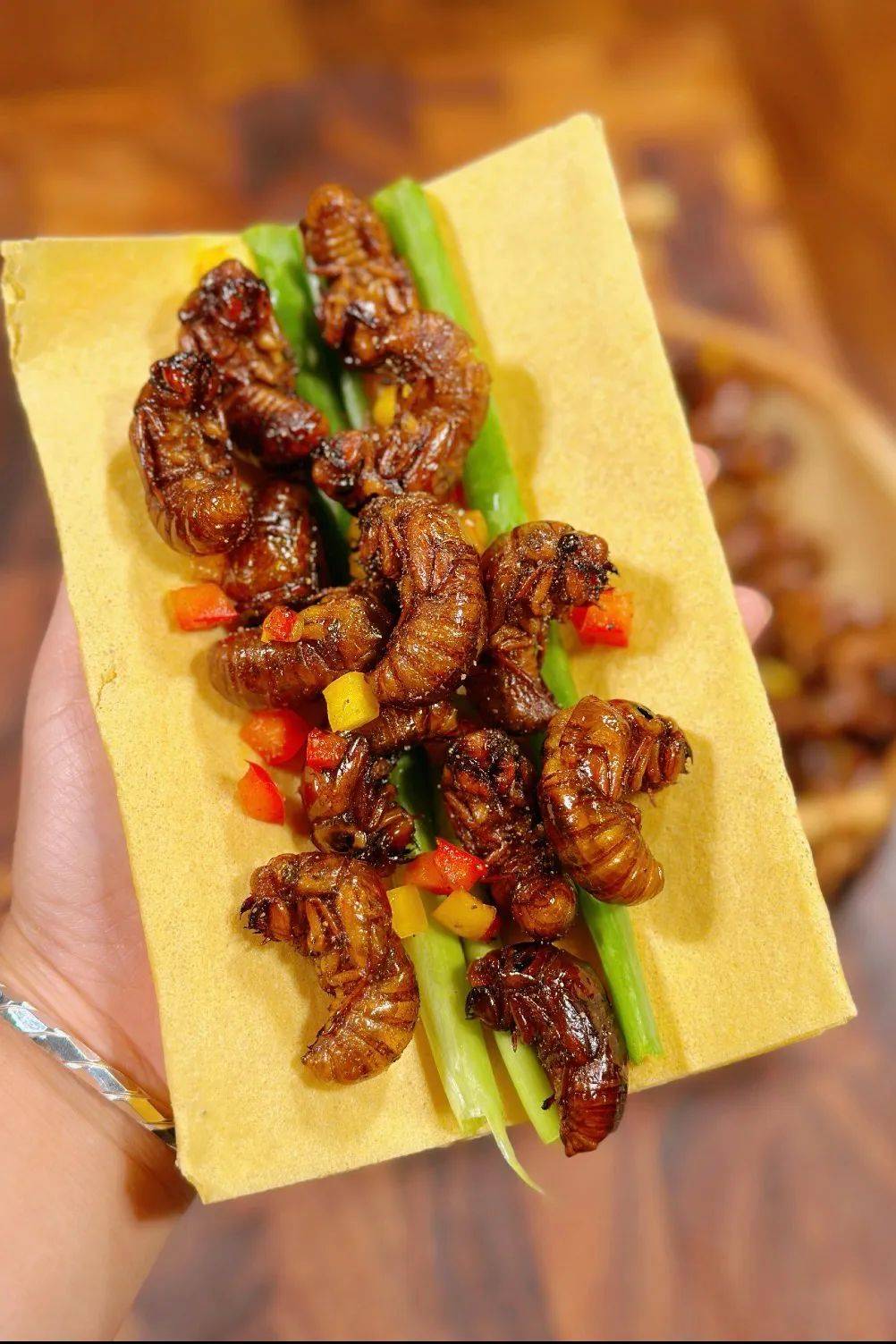
蜂蛹

Search documents
烟台市召开蜂业发展大会,赋能特色产业高质量发展
Qi Lu Wan Bao· 2025-12-26 06:46
Core Insights - The conference held in Longkou on December 24 aimed to summarize the achievements of the bee industry in Yantai, address challenges, and enhance production and sales channels for sustainable development of the bee industry [1][2] - The event recognized the second "Top Ten Honey Products in Yantai" and featured expert reports on bee breeding, standardized apiary construction, and key technologies for honey production, providing guidance for technological upgrades in the bee industry [1] Industry Development - The bee industry in Yantai has seen a solid foundation, optimized industry structure, improved technical systems, and initial brand effects, forming a dual-driven development model of product supply and pollination services [1] - Notable honey brands such as "Wanshan Source," "Again Sweet Garden," "Yuekang," and "Wangfeng Nong" have been cultivated, showcasing a variety of high-quality products [1] Challenges and Strategic Initiatives - The conference highlighted challenges such as talent shortages, inadequate risk response capabilities, and insufficient innovation and research in bee products that hinder industry transformation and upgrading [1][2] - Seven strategic initiatives were proposed to promote high-quality development of the bee industry, including enhancing political awareness, developing precise support policies, and exploring new commercial pollination service models [2] Future Directions - Yantai aims to leverage the conference as an opportunity to address industry bottlenecks, strengthen policy support, technological innovation, brand cultivation, and talent assurance, pushing the bee industry towards standardization, branding, integration, and high-end development [2]
财经调查丨被炒作成“神药”,虎头蜂酒治病被曝虚假宣传
Sou Hu Cai Jing· 2025-11-16 12:38
Core Viewpoint - The article highlights the dangerous nature of the tiger hornet, also known as the wasp, and discusses the misleading marketing practices surrounding its sale for purported medicinal benefits, which are not supported by evidence [1]. Industry Summary - The tiger hornet is known for its aggressive behavior and has been linked to serious injuries and fatalities [1]. - Some businesses are exploiting the tiger hornet's reputation by selling products like tiger hornet wine, claiming they have healing properties, which is described as a marketing gimmick [1]. - The primary profit source for hornet farming appears to be the sale of hornet pupae rather than the medicinal products [1]. Company Summary - A manager from a hornet farming operation in Qiwang County, Leshan, Sichuan, stated that the tiger hornet wine sold online lacks any real therapeutic effect and is merely a tactic to attract customers [1]. - Staff from a honeybee farm in Baoshan, Yunnan, confirmed that claims regarding the medicinal benefits of tiger hornet wine are false, emphasizing that it does not function as a medicine and is based on psychological effects [1].
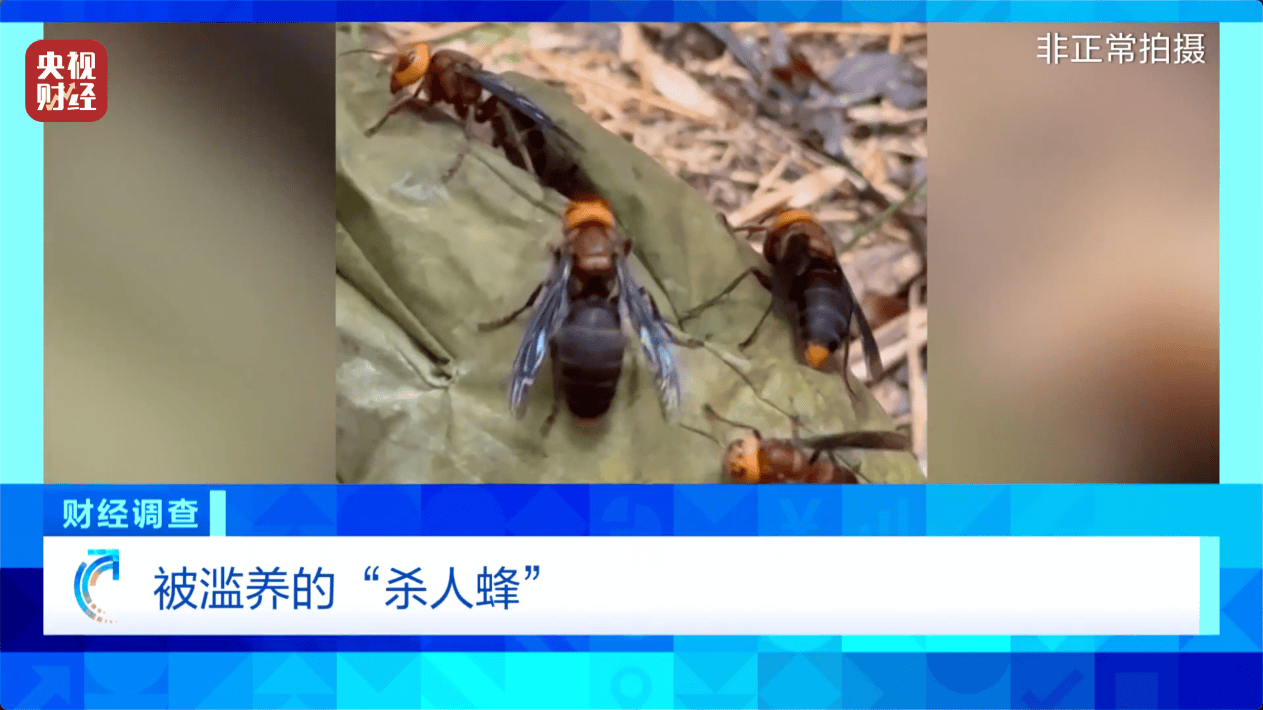
“杀人蜂”散养山头,无序滥养亟待监管,总台《财经调查》曝光→
Sou Hu Cai Jing· 2025-11-16 12:15
Core Viewpoint - The article highlights the dangers and ecological risks associated with the breeding of aggressive hornets, particularly the "red bride" hornet, which is being sold under the guise of medicinal benefits despite its harmful effects on both humans and the environment [1][20][46]. Group 1: Hornet Breeding and Sales - Some merchants are selling hornets online, claiming they can be used for medicinal purposes, with prices ranging from 1 to 2 yuan per hornet [3][4]. - The products sold are often poorly packaged and lack essential information such as product name, production date, and manufacturer, categorizing them as "three no" products [5]. - Breeders primarily profit from selling hornet pupae, which are considered a delicacy in local restaurants, rather than from the medicinal claims [9][15]. Group 2: Ecological and Safety Concerns - The aggressive "red bride" hornet poses significant ecological threats, including the potential to disrupt local ecosystems and harm beneficial insects [17][33]. - Despite the known dangers, some breeders continue to raise these hornets due to their high yield and profitability, often disregarding safety regulations [20][43]. - The lack of regulatory frameworks governing hornet breeding allows many breeders to operate in a gray area, prioritizing economic gain over public safety and environmental protection [47].

新华视点丨胡蜂消费背后的安全隐患
Xin Hua Wang· 2025-10-15 03:44
Group 1 - A tragic incident occurred in Yunnan Province where two children were killed by wasps while playing near a forest [1] - The incident highlights the lack of safety awareness among wasp breeders in the region, particularly in Mouding County where the breeding site is close to farmland and residential areas [3] - Yunnan is one of the largest markets for wasp consumption in China, with a long-standing tradition of eating wasp pupae, but safety measures are insufficient [3] Group 2 - Since 2025, there have been multiple incidents of wasp attacks in Yunnan, prompting some villages to issue warnings, yet the breeding of wasps continues due to economic incentives [5] - The demand for wasps has led to a gray market for wild wasp capture, with prices for pupae exceeding 100 yuan per kilogram [5] - The rise of social media has contributed to dangerous behaviors, with many videos promoting wasp capture, leading to retaliatory attacks on people in regions like Yunnan and Sichuan [5] Group 3 - Experts recommend strengthening safety regulations and promoting public awareness to prevent the consumption of wasps from becoming a life-threatening issue [7]

把上海人吓得吱哇乱叫的虫子,为啥把山东人馋哭了?
Hu Xiu· 2025-08-06 13:30
Core Viewpoint - The article highlights the contrasting attitudes towards cicadas between residents of Shanghai and Shandong, with Shanghai residents expressing disdain for the insects while Shandong residents celebrate them as a delicacy and cultural tradition [2][4][48]. Group 1: Cicada Culture in Shandong - Shandong people actively seek out cicadas, known as "zhiliao monkeys," engaging in organized family efforts to catch them, often spending entire nights searching [5][10][12]. - The culinary practices surrounding cicadas in Shandong are diverse, with common methods including frying, stir-frying, and barbecuing, showcasing the region's unique approach to insect cuisine [18][21]. - The price of cicadas can exceed that of fresh meat, with quality specimens selling for up to 50 to 100 yuan per jin (approximately 0.5 kg) [23]. Group 2: Broader Insect Consumption in Shandong - Shandong is characterized as a hidden "insect-eating province," with a variety of insects consumed, including grasshoppers, silkworms, and scorpions, forming a unique culinary tradition [8][29]. - The concept of "insect eight pieces" has emerged, categorizing eight commonly consumed insects in Shandong, reflecting a rich cultural heritage of insect consumption [26]. - In addition to land insects, Shandong's coastal areas also feature a variety of edible marine worms, further expanding the region's insect-based culinary offerings [39][46]. Group 3: Social and Cultural Significance - The act of catching cicadas serves not only as a culinary pursuit but also as a social activity, fostering family bonding and community engagement [15][48]. - The tradition of eating insects in Shandong is deeply rooted in history, with references found in ancient texts, indicating a long-standing cultural acceptance of insect consumption [17]. - The integration of both land and sea insects into Shandong cuisine illustrates the region's adaptability and resourcefulness in utilizing available food sources [47].