蜜雪冰城鲜啤

Search documents
离场还是进化?酒水经销商的出路到底在哪里
Sou Hu Cai Jing· 2025-12-04 10:47
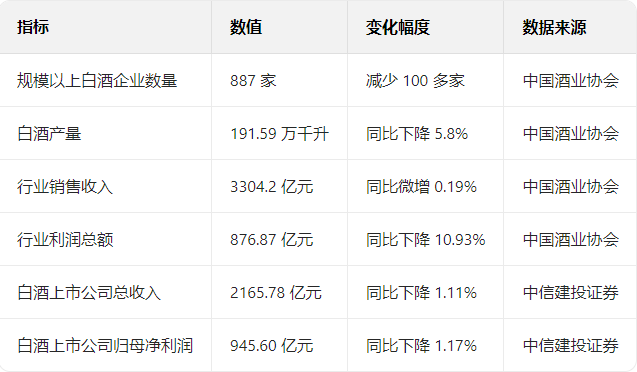
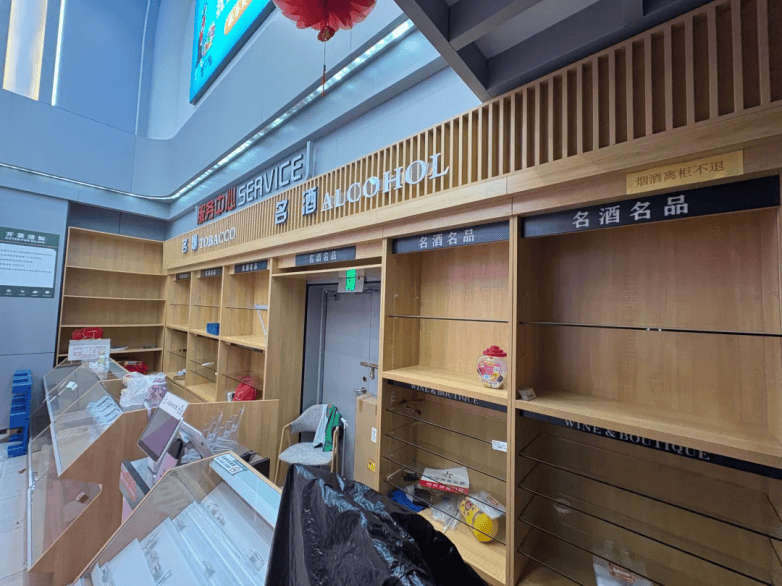
Core Viewpoint - The Chinese liquor industry is facing significant challenges, akin to extreme mountain climbing, with leading companies struggling for growth while distributors experience severe survival pressures [1][3]. Industry Performance - The third-quarter reports indicate a sharp decline in performance for most liquor companies, with some net profits dropping nearly three digits year-on-year [1]. - The growth in the industry is highly concentrated among a few leading companies, resulting in the exit of numerous small and medium-sized enterprises, with over 100 liquor companies expected to exit by mid-2025 [1]. Distributor Challenges - Major liquor distribution companies reported a dramatic drop in both revenue and net profit in the third quarter, highlighting the severe survival challenges faced by distributors [3]. - Many distributors are only able to provide minimal living expenses to employees, leading to salary cuts or layoffs [3]. - By mid-2025, 1,701 distributors exited from the networks of 20 major liquor companies, contrasting sharply with a net increase of nearly 2,000 last year [3]. Market Trends - Traditional sales peaks during the Mid-Autumn and National Day festivals have diminished, with sales dropping by 20% compared to the previous year [3]. - The high-end gift liquor market is declining due to more rational consumer behavior, while the self-consumption market is still present but with reduced purchase volumes and heightened price sensitivity [3]. Strategic Shifts - To survive, distributors are adopting new strategies such as street vending, live streaming, and reducing inventory [5]. - Many distributors are shifting focus to new beverage categories, such as low-alcohol trendy drinks, to navigate the current market challenges [5]. - The new beverage segment is seen as a second climbing route, with higher repurchase rates and a growing customer base, contrasting with traditional liquor sales [5]. Emerging Opportunities - Successful new products, such as the 38-degree Guojiao 1573 and Wuliangye's "Yijian Qingxin," have achieved significant sales milestones, indicating a potential shift in consumer preferences [9]. - Beverage giants are entering the new drink market, with brands like Yuanqi Forest and Mixue Ice City launching new products, reflecting changing consumer trends towards convenience and value [9]. - The new beverage market is rapidly heating up, suggesting that competition will intensify as companies adapt to the evolving landscape [9].

从囤货到种草:一场酒水经销商的生存进化论
Sou Hu Cai Jing· 2025-12-02 17:07
Core Insights - The white liquor industry is experiencing significant challenges, with major companies facing declining growth and many small to medium enterprises exiting the market [1][2] - The third quarter reports indicate a sharp decline in performance for most liquor companies, with some net profits dropping nearly 100% year-on-year [1] - The number of large-scale liquor enterprises decreased by over 100 in the first half of 2025, highlighting the industry's contraction [1] Industry Performance - The third quarter saw a dual drop in revenue and net profit for two major liquor distribution companies, indicating severe pressure on the entire supply chain [1] - Many distributors are struggling to survive, with reports of basic living allowances around 1,000 yuan and potential layoffs or salary cuts for employees [1][2] - In the first half of 2025, 1,701 distributors exited the market, contrasting sharply with the previous year's net increase of nearly 2,000 [1][2] Market Trends - Distributors are adapting by diversifying their product offerings, introducing lower-alcohol trendy drinks to appeal to younger consumers [4] - The traditional high-end liquor market is facing a decline, with sales during key festive periods dropping by 20% compared to the previous year [2] - New beverage categories are gaining traction, with examples of successful products like the 38-degree Guojiao 1573 and Wuliangye's "Yijian Qingxin" achieving significant sales milestones [4] Future Outlook - The new beverage market is rapidly heating up, indicating a shift in competition dynamics as traditional liquor companies seek to adapt [5] - The transition from traditional liquor to new beverage categories requires companies to innovate and embrace new marketing strategies [5][7] - The survival of companies in the current market will depend on their ability to evolve and find opportunities in the changing landscape [7]