蝎子

Search documents
【省税务局】陕西税务部门着力服务中小微企业发展
Shan Xi Ri Bao· 2025-10-20 23:08
Group 1 - The article highlights the successful implementation of digital tax services in Shaanxi, focusing on the "Xi Tax Cloud" live Q&A sessions that address common taxpayer concerns regarding electronic invoicing and tax policies [1] - The live Q&A sessions have attracted significant participation, with over 1,011 viewers and 252 interactions, indicating a strong interest in tax-related issues among businesses [1] - Shaanxi tax authorities have launched the "Shaanxi Tax Protection · Benefit Enterprises" brand, introducing 10 service measures aimed at improving taxpayer satisfaction and facilitating online tax services [2] Group 2 - The "Silver-Tax Interaction" program has provided quick financing solutions for small enterprises, exemplified by a cooperative that received a 1 million yuan loan within 48 hours, enabling them to upgrade equipment and increase production capacity by 70% [2][3] - In the first seven months of the year, Shaanxi tax authorities assisted 175,300 enterprises in securing bank loans totaling 138.068 billion yuan, showcasing the effectiveness of the tax credit evaluation and financing support mechanisms [3] - The article emphasizes the role of small and micro enterprises in driving economic growth and innovation, with tax authorities actively enhancing the tax service quality and business environment to support high-quality economic development [4] Group 3 - The article describes the transformation of a cold-water fish industry park in Shaanxi, which has benefited from tax incentives and personalized guidance from tax authorities, resulting in significant tax reductions and business growth [4][5] - The successful development of high-value products like caviar and fish paste by local enterprises demonstrates the positive impact of tax policies on industry advancement and market expansion [5] - Shaanxi tax authorities plan to continue reforming tax administration and improving the business environment to support the growth of small and micro enterprises, contributing to the province's economic development [5]
把上海人吓得吱哇乱叫的虫子,为啥把山东人馋哭了?
Hu Xiu· 2025-08-06 13:30
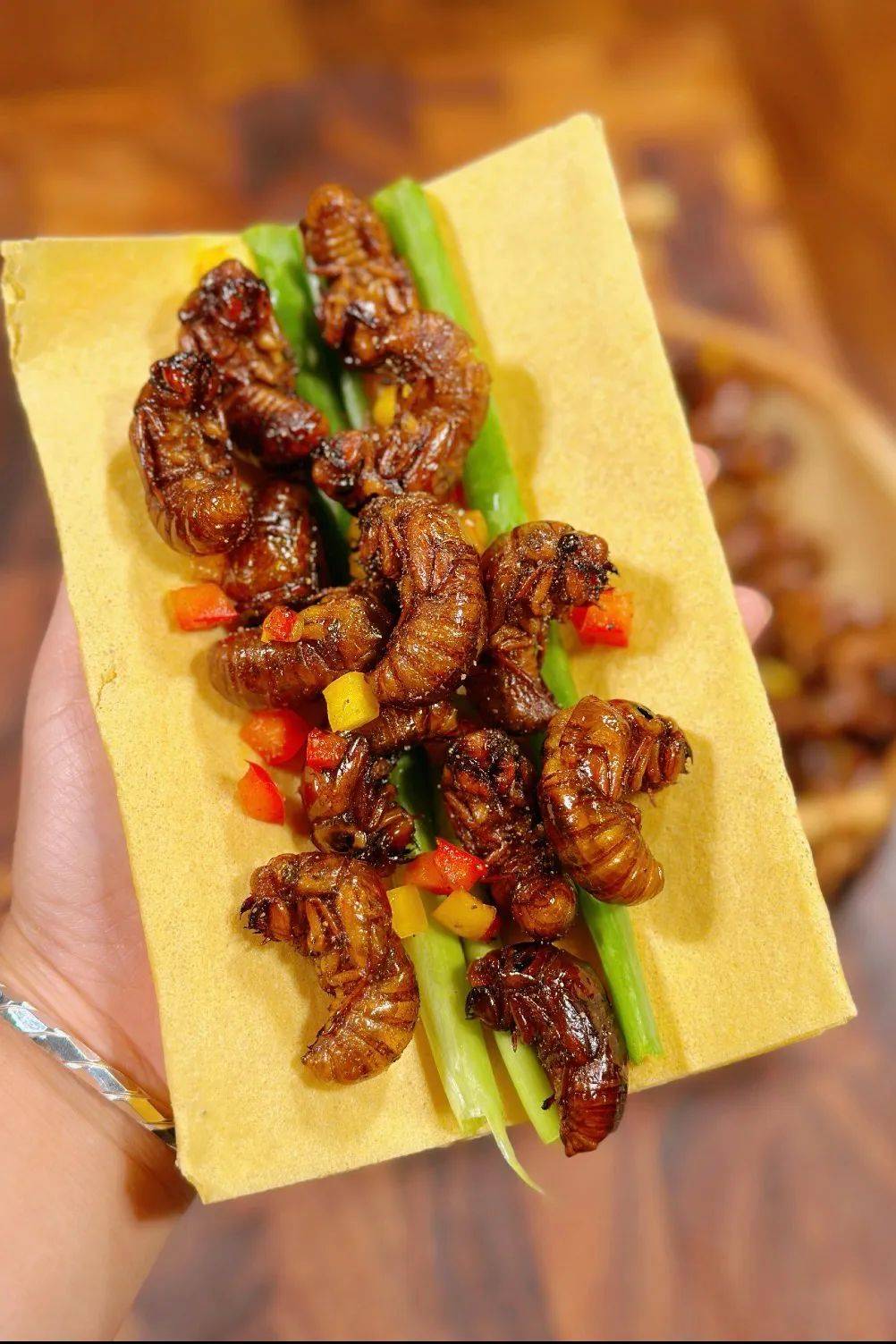
Core Viewpoint - The article highlights the contrasting attitudes towards cicadas between residents of Shanghai and Shandong, with Shanghai residents expressing disdain for the insects while Shandong residents celebrate them as a delicacy and cultural tradition [2][4][48]. Group 1: Cicada Culture in Shandong - Shandong people actively seek out cicadas, known as "zhiliao monkeys," engaging in organized family efforts to catch them, often spending entire nights searching [5][10][12]. - The culinary practices surrounding cicadas in Shandong are diverse, with common methods including frying, stir-frying, and barbecuing, showcasing the region's unique approach to insect cuisine [18][21]. - The price of cicadas can exceed that of fresh meat, with quality specimens selling for up to 50 to 100 yuan per jin (approximately 0.5 kg) [23]. Group 2: Broader Insect Consumption in Shandong - Shandong is characterized as a hidden "insect-eating province," with a variety of insects consumed, including grasshoppers, silkworms, and scorpions, forming a unique culinary tradition [8][29]. - The concept of "insect eight pieces" has emerged, categorizing eight commonly consumed insects in Shandong, reflecting a rich cultural heritage of insect consumption [26]. - In addition to land insects, Shandong's coastal areas also feature a variety of edible marine worms, further expanding the region's insect-based culinary offerings [39][46]. Group 3: Social and Cultural Significance - The act of catching cicadas serves not only as a culinary pursuit but also as a social activity, fostering family bonding and community engagement [15][48]. - The tradition of eating insects in Shandong is deeply rooted in history, with references found in ancient texts, indicating a long-standing cultural acceptance of insect consumption [17]. - The integration of both land and sea insects into Shandong cuisine illustrates the region's adaptability and resourcefulness in utilizing available food sources [47].