
角膜保存液

Search documents
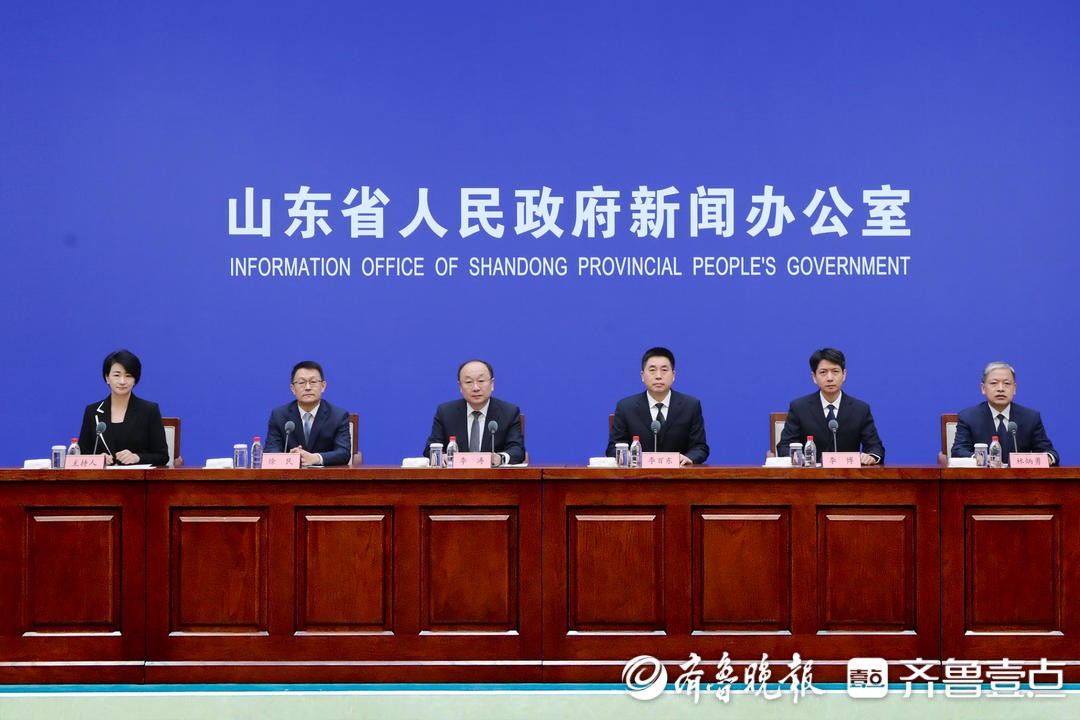
山东省药监局:“监管+服务”双轮驱动医药产业高质量发展
Qi Lu Wan Bao· 2026-01-16 10:18
Core Viewpoint - The Shandong Provincial Government is implementing comprehensive reforms in drug and medical device regulation to promote high-quality development in the pharmaceutical industry while ensuring public health and safety [1][3]. Group 1: Safety Assurance - The focus is on maintaining safety standards while promoting development, establishing a three-tier responsibility system involving local authorities, departments, and enterprises [4]. - Shandong has introduced a party document that mandates joint responsibility for drug safety at the party and government levels, setting a benchmark for national pharmaceutical enterprises [4]. - The drug inspection pass rate in Shandong is over 99.8%, exceeding the national average, reflecting the effectiveness of safety measures [4]. Group 2: Reform Empowerment - Shandong has been included in the National Medical Products Administration's service range for drug and medical device review, becoming the only province outside the Beijing-Tianjin-Hebei region to do so [5]. - The province has been approved as a pilot for optimizing drug supplementary application review processes, reducing review times by 70% and ranking among the top in the country for processing volume [5]. - Establishment of review and inspection sub-centers in Jinan, Yantai, and Heze has led to an average processing time reduction of over 50%, with some matters being processed on the same day [5]. Group 3: Enterprise Support - A comprehensive policy support system covering the entire lifecycle of drug development, registration, production, and use has been established [5]. - The approach has shifted from "enterprises seeking help" to "regulatory agencies providing support," enhancing the efficiency of the approval process [5]. - Since the beginning of the 14th Five-Year Plan, Shandong has seen the launch of 1,096 new drug products, with an annual growth rate exceeding 30% [5].


史伟云:“人才+科研”双轮驱动 提升医疗技术和服务水平
Ren Min Wang· 2025-09-12 06:44
Core Viewpoint - The article discusses the high-quality development of public hospitals, focusing on the innovative practices and experiences of Shandong First Medical University Affiliated Eye Hospital in the field of ophthalmic medical services [1] Group 1: Talent and Research - The quality of hospital services is primarily dependent on talent and research, with a focus on both attracting and retaining skilled professionals [1] - The hospital invests 10% of its annual revenue in talent development, sending promising doctors for training at top hospitals domestically and internationally to learn advanced medical techniques and concepts [1] - The hospital emphasizes the importance of innovation in research, addressing unresolved issues in ophthalmology, such as developing corneal preservation solutions to extend storage time and improve transplant success rates [1] Group 2: Patient Experience and Service Improvement - The hospital aims to enhance patient access to care, improve treatment outcomes, and reduce costs, with a strong focus on the quality of medical services [1] - Various patient-friendly measures have been implemented, including optimizing the patient experience from outpatient guidance to inpatient treatment, and creating a welcoming environment [1] - The introduction of a day surgery model has reduced patient waiting times and increased operational efficiency, benefiting both patients and the hospital [1] Group 3: Community Engagement and Future Development - The hospital leverages its specialized expertise to enhance the capabilities of grassroots ophthalmic medical services through training, expert support, and telemedicine guidance [1] - The establishment of the Shandong Provincial Ophthalmology Society promotes academic exchange and collaborative development in the field of ophthalmology across the province [1] - Future plans include continuing the dual focus on talent and research while exploring new service models such as smart healthcare and telemedicine to provide more convenient and efficient services to patients [1]