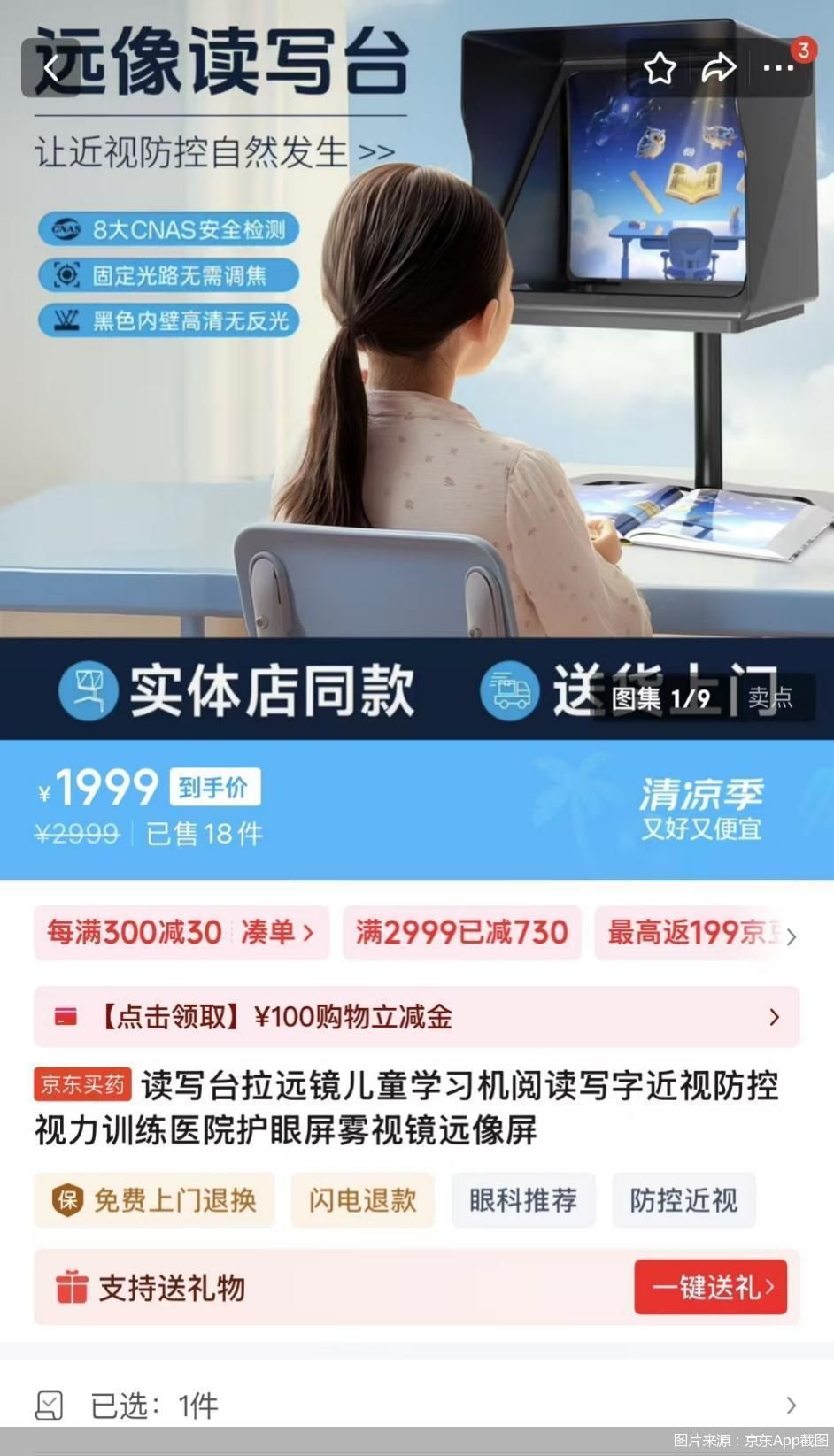
读写台

Search documents
大几千元的近视防控新品,意外卖爆
3 6 Ke· 2026-01-05 01:17
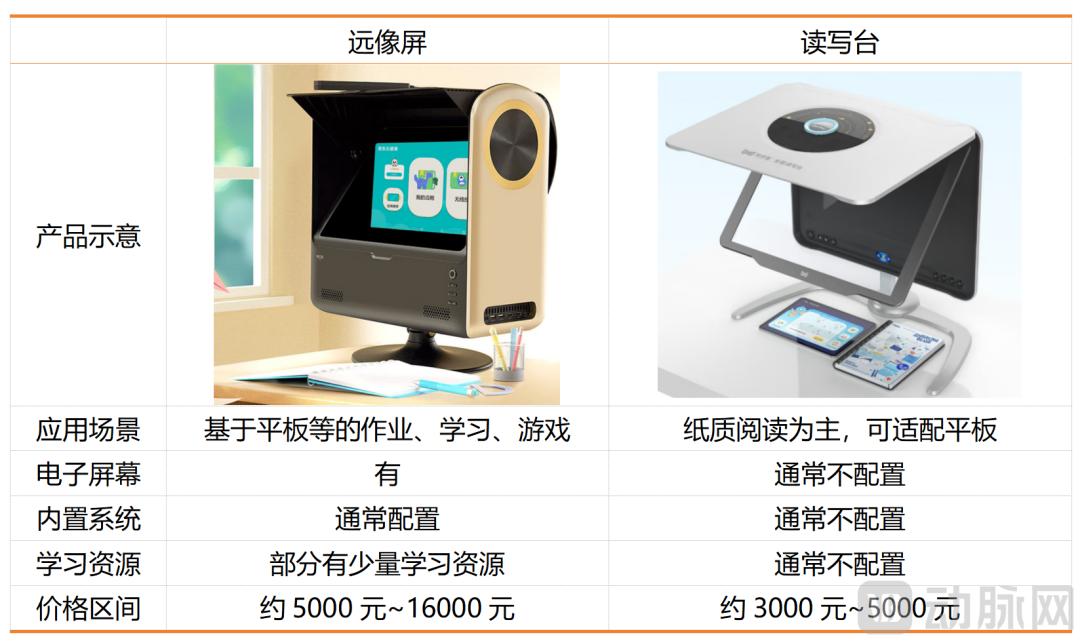
Core Insights - The market for distant vision screens and reading tables is experiencing explosive growth, with a projected increase of over 200% in market size in 2024 compared to 2023, and production expected to exceed 10,000 units [1][9] - The products are designed to alleviate myopia anxiety among parents by providing a physical means to control near-sightedness, with a focus on optical technology that allows for a clearer virtual image at a distance [1][3][15] Product Overview - Distant vision screens are priced between approximately 5,000 to 16,000 yuan, while reading tables range from about 3,000 to 5,000 yuan [2] - Distant vision screens typically include electronic screens and built-in systems, while reading tables are primarily for paper reading and usually do not have electronic screens [2] Optical Technology - The core optical components of distant vision screens include large-diameter freeform mirrors, which are essential for achieving the desired optical effects [3][4] - The production of large-diameter freeform mirrors is not yet at scale, contributing to higher product costs, with a 400mm diameter mirror costing around 1,000 yuan and larger mirrors significantly more [4] Market Dynamics - The industry is rapidly evolving, with the number of brands increasing from fewer than 10 to over 100 in a short period [9] - Major players like BOE and Nidec are leading the market, while startups such as Ruisi and Shiguangji are also gaining traction, focusing on performance and smart features [9][11] Research and Validation - Studies indicate that using distant vision products can lead to physiological benefits, such as increased choroidal thickness and improved blood supply, which may help mitigate the progression of myopia [7][8] - Research from Beijing Tongren Hospital supports the efficacy of these products, showing no significant changes in key eye parameters when using distant vision screens [8] Regulatory and Standardization Challenges - The industry faces challenges related to a lack of standardized regulations, leading to concerns about exaggerated claims and product quality [13][14] - Efforts are underway by leading brands to establish industry standards, with initiatives like the "Technical Specifications for Desktop Distant Vision Electronic Display Devices" being introduced [14]

追问读写台、远望屏执行标准:3C电子产品如何打出“疗效”功能
Bei Jing Shang Bao· 2025-07-23 14:37
Core Viewpoint - The article highlights the growing concern over the marketing and regulation of eye care devices, particularly reading tables and distant screens, which claim to prevent myopia but lack clear medical certification and standards [1][2][10]. Group 1: Industry Standards and Regulations - Current eye care devices like reading tables and distant screens are primarily classified under 3C certification, which is for consumer electronics, rather than as medical devices [8][9]. - There is a significant absence of national standards for these products, with only industry association standards available, leading to confusion and potential consumer deception [10][14]. - Experts call for the establishment of clear regulations and standards to prevent the commercialization of myopia prevention claims and ensure consumer safety [1][16]. Group 2: Consumer Concerns and Misleading Marketing - Many parents are misled by marketing claims that these devices can prevent myopia, often influenced by endorsements from well-known doctors [2][15]. - Some products falsely present themselves as medical devices by showcasing medical registration certificates, which can confuse consumers regarding their actual classification [8][9]. - The marketing strategies employed by companies often exaggerate the effectiveness of these devices, leading to potential violations of advertising laws [15][17]. Group 3: Market Dynamics and Future Directions - The eye care device market is rapidly evolving, with numerous brands entering the space and introducing new products, but the lack of unified standards hampers quality assurance [11][14]. - The increasing prevalence of myopia among children, with rates reported at 52.7% overall, underscores the urgent need for effective and regulated solutions [16]. - Industry experts advocate for a clear classification of these devices based on their intended use and risk, suggesting that those with medical claims should be regulated as medical devices [17][18].