豆汁儿

Search documents
这几种长毛又发霉的食物,竟然更好吃了!打赌你没吃过
Xin Lang Cai Jing· 2026-01-03 07:56
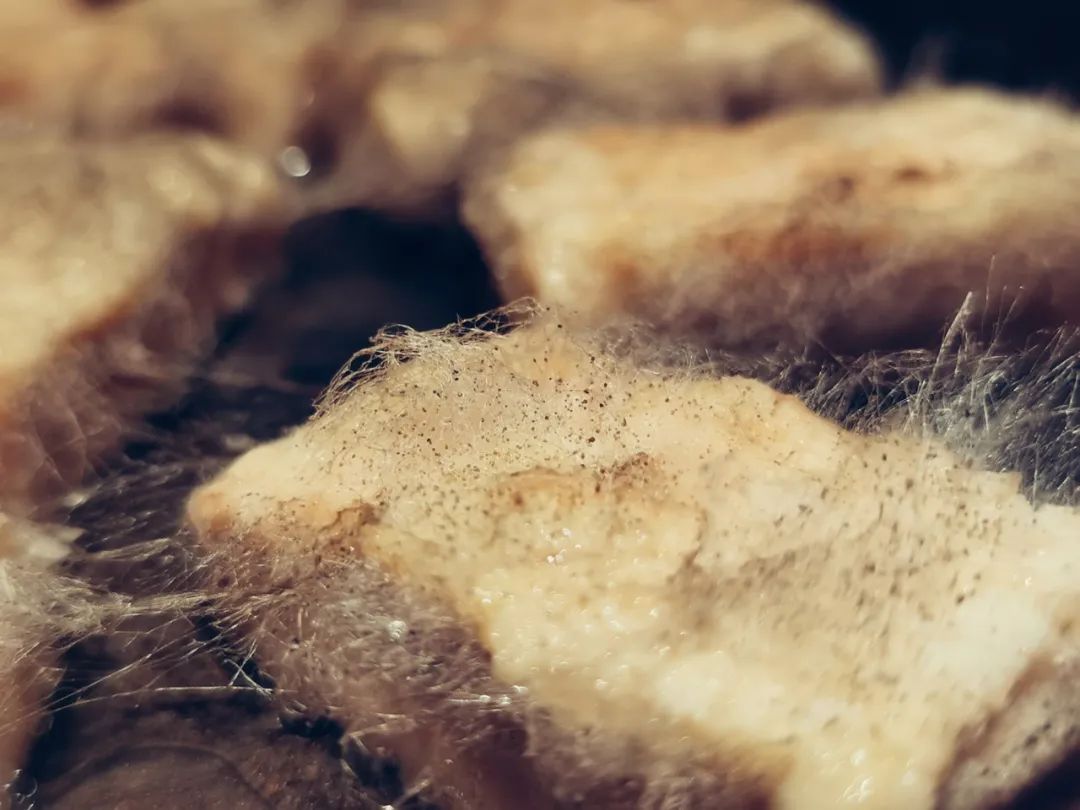
Core Viewpoint - The article discusses the concept of "moldy" foods, which are actually fermented foods that utilize various microorganisms to enhance flavor and nutrition, highlighting their cultural significance and nutritional benefits. Group 1: Fermented Foods Overview - Fermented foods like stinky tofu, moldy vegetables, and sour bamboo shoots are common in various regions, showcasing unique flavors and aromas that some people love while others avoid [1][2]. - The fermentation process involves complex biochemical reactions that produce various flavor compounds, contributing to the distinct tastes of these foods [1]. Group 2: Specific Fermented Foods - **Moldy Tofu**: Made from low-fat soybeans, it is fermented using specific molds to create a soft texture and rich flavor. Nutritionally, it is high in protein, calcium, and B vitamins, particularly B12, which is beneficial for vegetarians [5][6]. - **Stinky Tofu**: Varies by region; southern versions are often deep-fried and served with spicy condiments, while northern versions (fermented tofu) are used as a seasoning. Both types have similar nutritional profiles to moldy tofu [6][8]. - **Bean Juice**: A Beijing specialty made from fermented mung bean milk, it is easier to digest and beneficial for gut health due to its probiotic content [10]. - **Sour Bamboo Shoots**: Fermented using lactic acid bacteria, they are low in calories and high in dietary fiber, making them a healthy addition to meals [11]. - **Moldy Amaranth Stems**: Rich in dietary fiber and minerals, they are often paired with other strong-flavored foods due to their potent aroma [14]. - **Stinky Fish**: Rich in protein and healthy fats, it undergoes fermentation that enhances digestibility but is also high in salt [17]. - **Blue Cheese**: Made from cow's milk and fermented with specific molds, it is high in protein and calcium but should be consumed in moderation due to its high salt and fat content [21]. Group 3: Nutritional Benefits - Fermented foods generally enhance the digestibility of proteins and maintain essential nutrients like calcium and isoflavones, making them valuable dietary options [5][17]. - The fermentation process can significantly increase the levels of B vitamins, particularly B12, which is crucial for red blood cell and nervous system health [5][6].

我支持北方人组织自己的厨王大赛
3 6 Ke· 2025-08-01 03:49
Core Viewpoint - The article discusses the decline of Northern Chinese cuisine in contemporary culinary competitions, highlighting the dominance of Southern cuisines and the lack of representation for Northern dishes in popular food shows like "A Meal to Seal the Gods" [1][3][22]. Group 1: Historical Context - In 1921, Qi Baishi praised the status of Hebei cuisine, comparing it favorably to other regional foods, indicating a historical significance that has since diminished [1]. - The article notes that during the early 20th century, Northern cuisine thrived under various political figures, with unique dishes emerging, such as "Zhi Li Hai Shen" created to please Yuan Shikai [1]. Group 2: Current Culinary Landscape - The recent food competition "A Meal to Seal the Gods" showcases a lack of Northern cuisine representation, with only a few Northern dishes making it to the initial rounds, while Southern cuisines dominate [1][3]. - The article mentions that even when Northern dishes are presented, they often fail to impress compared to the more refined Southern dishes, leading to a perception of Northern cuisine as outdated [8][22]. Group 3: Social Media Influence - Despite the decline in traditional Northern cuisine, food influencers from the North, particularly Hebei, have gained popularity on social media platforms, showcasing a different aspect of Northern food culture [3][9]. - The article highlights the contrast between the traditional culinary scene and the rise of food influencers who focus on carbon-based dishes, indicating a shift in how Northern cuisine is perceived and consumed [9][14]. Group 4: Culinary Innovation and Trends - The article discusses the emergence of innovative dishes in Southern cuisine, such as turtle ice cream and other creative combinations, which are often featured in culinary competitions [4][8]. - It also points out the trend of chefs and food personalities branding themselves as "main chefs," which reflects a shift in the culinary industry towards a more commercialized and less traditional approach [20][21]. Group 5: Cultural Commentary - The article critiques the current culinary media landscape, suggesting that the focus on Michelin-starred standards may lead to the systematic disappearance of Northern cuisine [22]. - It emphasizes the need for a more authentic representation of regional cuisines, arguing that there should be no hierarchy between different culinary traditions [22].