年俗文化

Search documents
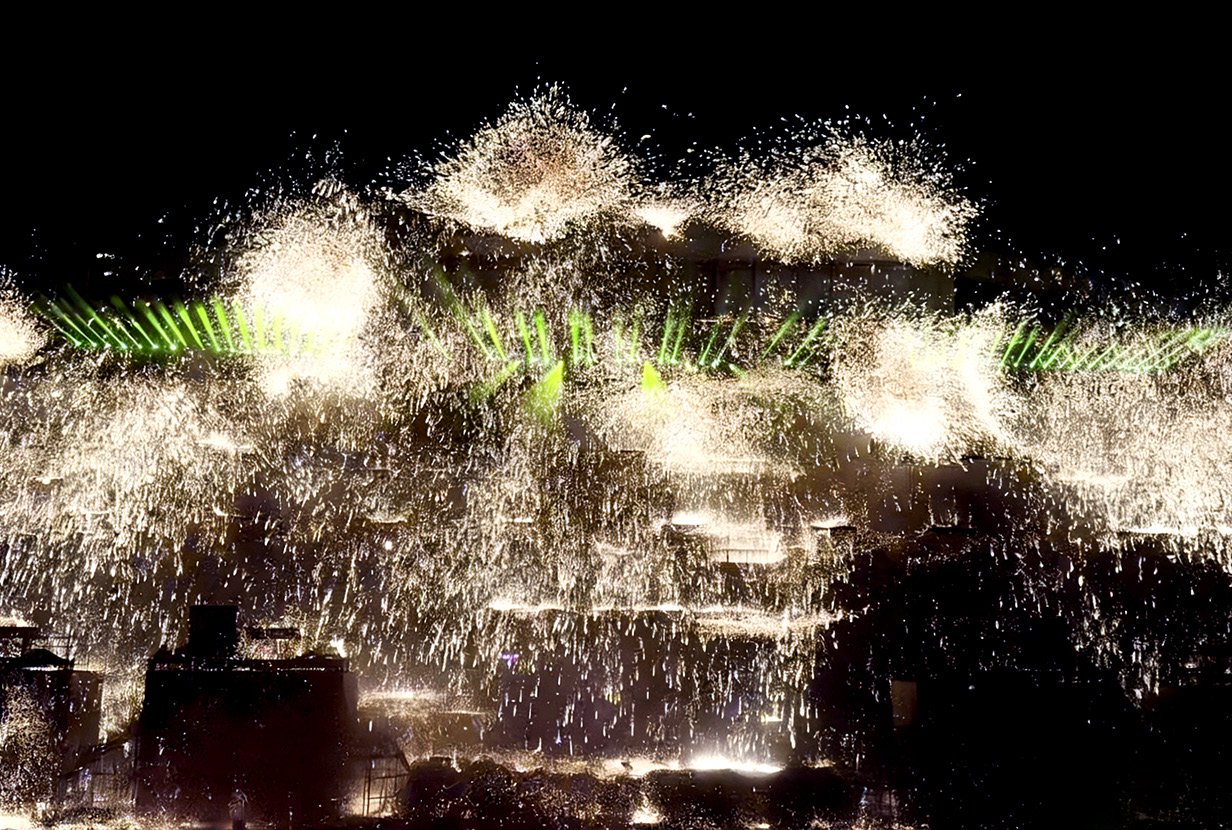
铁花耀太行 年味润三晋
Xin Lang Cai Jing· 2026-02-27 04:57
Core Viewpoint - The celebration of traditional customs during the Spring Festival in the ancient villages of the Taihang Mountains showcases a vibrant blend of cultural heritage and modern festivities, highlighted by the spectacular "Iron Flower" performance, which symbolizes the deep-rooted cultural essence and warmth of local life [2][3][4]. Group 1: Cultural Significance - The "Iron Flower" performance is a representation of a thousand-year-old intangible cultural heritage, embodying the cultural roots and the warmth of local traditions [3][4]. - The event merges traditional beauty with the joy of everyday life, creating a dreamlike atmosphere that captivates both locals and visitors [3][4]. Group 2: Community Engagement - The streets are filled with people eagerly participating in the festivities, reflecting a strong community spirit and a shared anticipation for the New Year celebrations [2][3]. - The vibrant atmosphere is enhanced by the presence of food stalls and the sounds of laughter and conversation, emphasizing the warmth and togetherness of family reunions during the festival [3][4]. Group 3: Visual and Sensory Experience - The performance features high-temperature molten iron being struck into the night sky, creating a stunning visual display that leaves the audience in awe [2]. - The decorations, including red lanterns and warm yellow lights, transform the village into a festive sea of color, enhancing the celebratory mood [3].

广东年俗游火爆:潮汕英歌舞吸睛,汕头领跑“黑马”目的地
Nan Fang Du Shi Bao· 2026-02-23 14:38
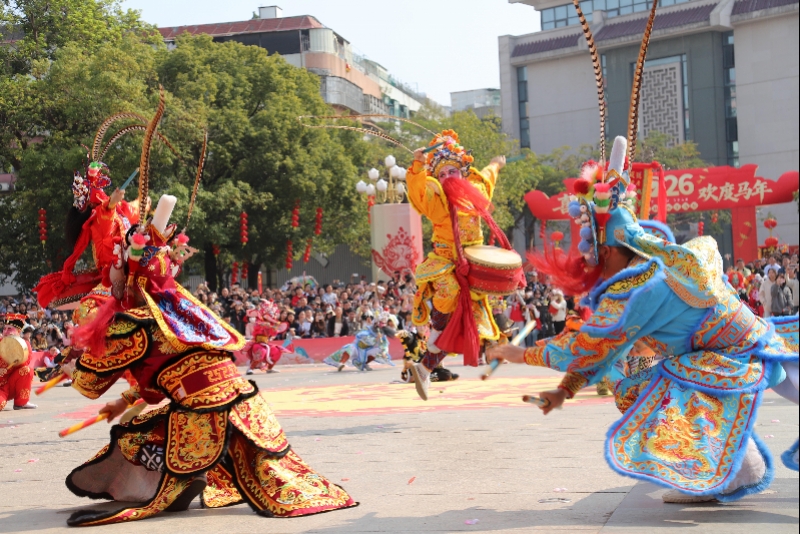
Group 1 - The core theme of the Spring Festival tourism market this year is the revival of traditional customs, with domestic travel orders reaching new highs [1][3] - Guangdong province, particularly Shantou, has emerged as a leading destination for traditional cultural experiences, with hotel bookings increasing over 80% year-on-year [3][4] - The popularity of traditional activities such as the "Yingge" dance and various local celebrations has significantly attracted tourists to Shantou and other cities in Guangdong [3][4] Group 2 - Nationwide, various regions are showcasing their unique cultural experiences, with Fuzhou hosting over 1,800 events during the Spring Festival [6] - Hainan has seen a surge in tourism, with hotel bookings increasing by over 70%, making it a top destination for island tourism during the holiday [6] - County-level tourism has also gained popularity, with places like Huangshan and Yangshuo experiencing hotel booking increases of over 400% [6] Group 3 - The demand for ice and snow tourism has surged, with indoor ski resorts becoming popular, and overall ice and snow travel orders increasing by over 200% [8][9] - The Milan Winter Olympics have further fueled interest in ice tourism, with hotel bookings in Italian cities like Milan and Venice seeing increases of over 200% [9][10] - Long-distance outbound travel has also seen significant growth, with destinations like Italy and Spain leading in popularity during the Spring Festival [10] Group 4 - Inbound tourism has experienced a remarkable increase, with flight ticket orders for inbound travel rising nearly tenfold during the Spring Festival [4][11] - Major cities such as Shanghai, Guangzhou, and Beijing have become preferred entry points for foreign tourists visiting China [4][11] - The growing interest from international visitors in experiencing Chinese New Year celebrations highlights the appeal of traditional culture [11]
【新春看市场】旅途中感受别样年味
Xin Lang Cai Jing· 2026-02-21 23:22
Group 1 - The Spring Festival has become a popular time for family travel, with various cultural and tourism activities being organized across different regions, enhancing the festive atmosphere and attracting tourists [1] - In Guangdong, the "South Country Spring Comes Early" exhibition at the Intangible Cultural Heritage Museum showcases traditional customs and has attracted 1.3 million visitors since its opening in May 2024, highlighting the importance of cultural identity and heritage [1] - The demand for local cultural experiences has surged, with significant increases in accommodation bookings in places like Guangdong and Anhui, where local traditions and customs are being integrated into the travel experience [1] Group 2 - In Fujian, over 280 intangible cultural heritage street activities have been launched, featuring various traditional performances, indicating a strong emphasis on cultural tourism [2] - The trend of outbound travel is also notable, with Chinese tourists booking hotels in nearly 3,000 cities globally, particularly favoring Southeast Asia and Europe, reflecting a growing demand for quality travel experiences [2] - The integration of traditional customs with modern entertainment in places like Guangzhou's theme parks is creating immersive experiences for families, enhancing the appeal of domestic tourism [2]
为什么我们总是怀念儿时的年
Xin Lang Cai Jing· 2026-02-21 15:13
Core Viewpoint - The article reflects on the nostalgic memories of celebrating the Spring Festival in Shaoguan, highlighting the cultural significance and family traditions associated with the holiday, contrasting past experiences with contemporary practices. Group 1: Personal Memories and Traditions - The author reminisces about the tradition of buying new clothes for the Spring Festival, emphasizing the emotional connection to these garments despite their impracticality due to growth [1][2] - The family cleaning ritual before the New Year is described as a significant event that fosters family unity, contrasting with modern practices of hiring cleaning services [3][7] - The preparation of traditional snacks, such as "糖角" and "蛋散," is highlighted as a cherished family activity, emphasizing the importance of homemade treats during the festival [4][5][6] Group 2: Cultural Reflections - The article discusses the blending of different cultural influences in Shaoguan, particularly the coexistence of Cantonese and Hakka cultures, which shapes local customs and language [6] - It notes the evolution of consumer habits, where children today have constant access to new clothes and snacks, diminishing the uniqueness of the Spring Festival experience [2][7] - The author reflects on the emotional significance of family gatherings during the New Year, suggesting that the essence of the celebration lies in togetherness and shared hopes for the future [7]
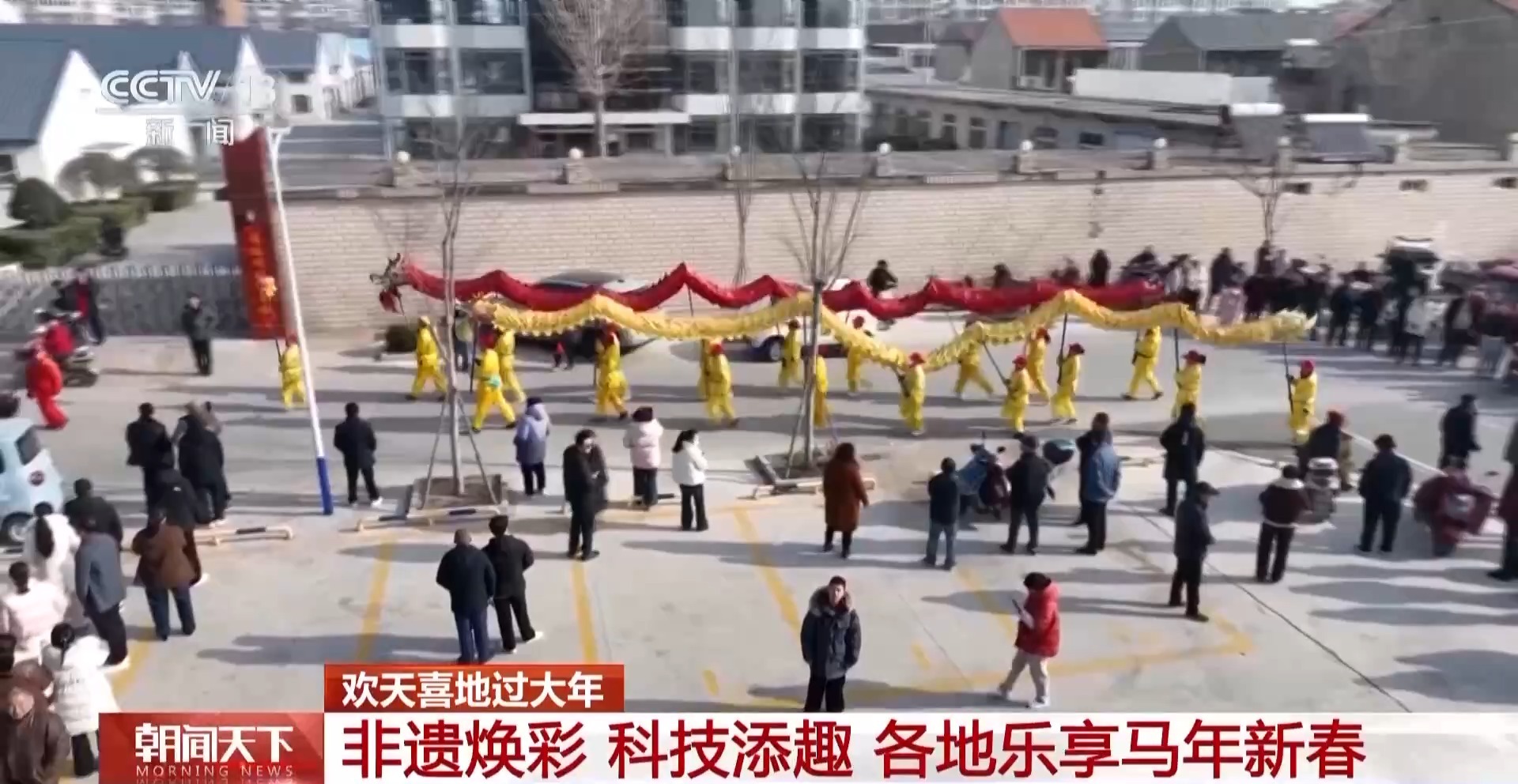
视频丨“年俗文化+科技” 各地举办特色活动感受别样年味儿
Yang Shi Xin Wen Ke Hu Duan· 2026-02-20 13:05
Group 1 - The article highlights various festive activities across multiple regions in China during the Spring Festival, showcasing a blend of traditional customs and modern entertainment [1][3][5][8][10][11][15][21][31] - In Jiangsu, the integration of technology with traditional celebrations is evident, such as the interactive robot performances and themed exhibitions at local attractions [1][5] - The local governments are actively promoting job fairs targeting returning workers and graduates, indicating a focus on economic recovery and employment opportunities during the festive season [3] Group 2 - Cultural heritage is celebrated through performances like the Donggou Dragon Dance in Jiangsu, which attracts significant public interest and participation [3] - Various regions, including Hunan and Hebei, are leveraging their historical sites to enhance the festive atmosphere, combining traditional customs with modern technology [11][15] - In Henan, the introduction of immersive experiences in scenic areas aims to enrich visitor engagement and promote local culture [20] Group 3 - The tourism sector is seeing a surge in visitor numbers, with expectations of over 3 million tourists in Xingtai during the Spring Festival, reflecting a strong recovery in domestic travel [17] - In Sanya, a variety of interactive activities are being offered to enhance the visitor experience, indicating a shift towards more engaging tourism practices [21][25] - The revival of traditional markets, such as the 300-year-old Luo Xing Market in Guangdong, showcases the importance of cultural events in attracting visitors and boosting local economies [27]
“年俗文化+科技” 各地举办特色活动感受别样年味儿
Yang Shi Xin Wen Ke Hu Duan· 2026-02-20 12:32
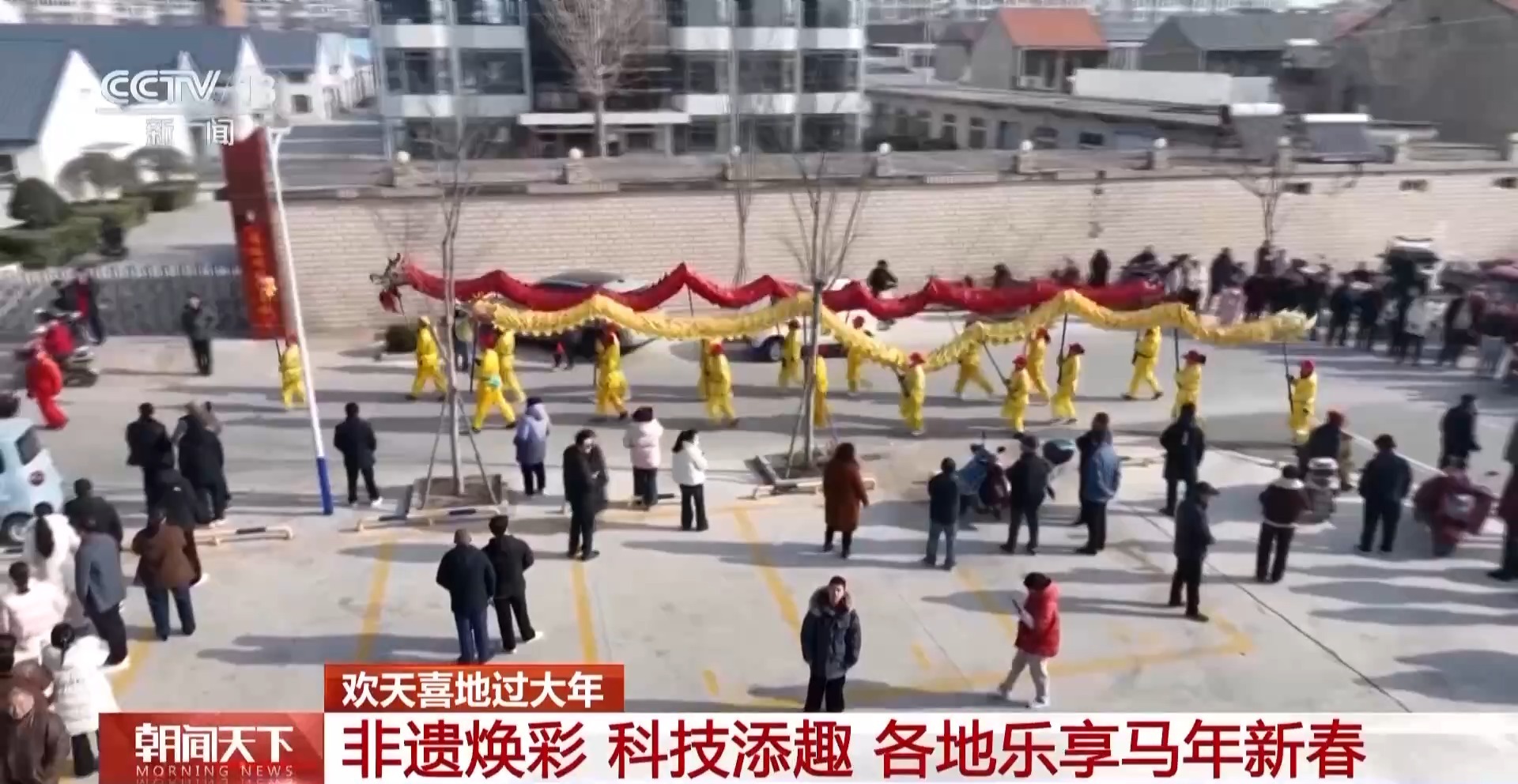
Group 1 - The article highlights various festive activities across multiple regions in China during the Spring Festival, showcasing a blend of traditional customs and modern entertainment [1][3][5] - In Jiangsu, the unique performances of humanoid robots and traditional dragon dances attract significant attention, enhancing the festive atmosphere [3][8] - The integration of cultural heritage with modern technology is evident in events like the immersive performances at Wudang Mountain, which combine stage art with advanced light and shadow technology [10][18] Group 2 - The article notes that local governments are actively promoting job fairs during the Spring Festival, targeting returning workers and recent graduates, with over 500 job positions available in various sectors [3] - In Hebei, the ancient city of Xingtai hosts numerous colorful activities, including dragon and lion dances, which contribute to a vibrant festive environment [14][16] - The tourism sector is expected to see a significant influx of visitors, with estimates suggesting over 3 million tourists in Xingtai alone during the holiday period [16]
非遗小巷里的“楚味年”
Xin Lang Cai Jing· 2026-02-19 23:03
Core Viewpoint - The article highlights the vibrant cultural heritage and culinary traditions of the Zhiqu County in Yichang City, Hubei Province, particularly during the Spring Festival, showcasing local delicacies and traditional crafts as a means of cultural preservation and community engagement [1][2]. Group 1: Culinary Traditions - The streets of Zhiqu are filled with the aroma of various local foods, including fried potato chips, crispy snacks, and traditional steamed dishes, attracting large crowds [1]. - Local residents express nostalgia for traditional flavors, with one citizen recalling the taste of childhood during festive seasons [1]. Group 2: Cultural Heritage Activities - The "Non-material Cultural Heritage Street" spans 1500 square meters and features over 20 calligraphy volunteers creating traditional characters and couplets, enhancing the festive atmosphere [1]. - The event "Non-material Heritage Celebrating the New Year" aims to bring cultural heritage to life during the Spring Festival, emphasizing the importance of cultural continuity [2]. Group 3: Craftsmanship and Community Engagement - Local artisans, such as Luo Guanglin, demonstrate traditional crafts like grass weaving, creating various cultural products that incorporate local culture [2]. - The "Qu Yuan Reception Hall" allows visitors to engage with Qu Yuan culture through interactive poetry recitations, fostering a connection to historical literary traditions [2].
年味儿更有文化味儿博物馆之城迎四海宾朋
Xin Lang Cai Jing· 2026-02-19 21:59
Core Viewpoint - The article highlights the vibrant cultural atmosphere during the Spring Festival in Beijing, showcasing various exhibitions and activities that celebrate traditional Chinese customs and heritage, attracting a diverse audience from across the country and beyond [1][2][3]. Group 1: Exhibition Highlights - Seven major "New Year" themed exhibitions are launched, featuring over 70 colorful traditional activities that reflect the essence of the Spring Festival [1][2]. - The "Over New Year - Year of the Horse Spring Festival Series" at the China Intangible Cultural Heritage Museum connects over a hundred representative intangible cultural heritage projects, presenting a multi-dimensional view of the New Year celebrations [3]. - The "Cultural Fair" at the Prince Gong's Mansion showcases traditional woodblock New Year paintings from various regions, allowing visitors to engage with the art and history of these customs [2][3]. Group 2: Audience Engagement - Visitors, including families, actively participate in interactive experiences such as writing auspicious characters and creating traditional crafts, enhancing their understanding of diverse Spring Festival customs [2][3]. - The article mentions a family from Shandong who visited the museum to teach their children about different New Year traditions, indicating a strong interest in cultural education [2]. Group 3: Cultural Activities and Experiences - Over 70 cultural activities are organized throughout the city, extending the festive atmosphere beyond museum walls into local neighborhoods [5]. - The article describes various performances and traditional music events held in smaller museums and cultural venues, attracting both local and international visitors [4][5]. - Unique cultural experiences, such as tasting traditional foods and participating in local customs, are emphasized as key attractions for tourists and residents alike [6]. Group 4: Creative Cultural Products - Museums are introducing a range of creative cultural products, including themed souvenirs and food items, allowing visitors to take home a piece of the festive spirit [6]. - The Beijing Ancient Architecture Museum reports high sales of its new cultural products, particularly those inspired by traditional designs and auspicious themes [6].
现场!春节假期的凤凰岭,超热闹
Xin Lang Cai Jing· 2026-02-19 12:44
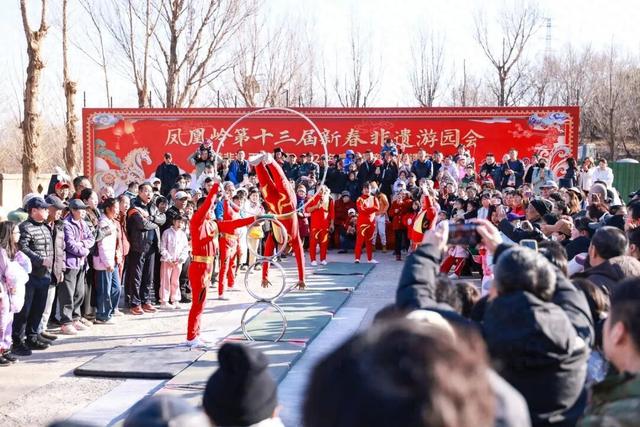
Core Viewpoint - The Phoenix Ridge's 13th New Spring Intangible Cultural Heritage Park event successfully combines traditional cultural performances, local customs, and interactive experiences, creating an immersive celebration of the Chinese New Year [1][20]. Group 1: Event Highlights - The event features the performance of the national intangible cultural heritage Huanghua Qilin Dance, attracting visitors with its dynamic movements and heavy props [4][21]. - The Shaanxi Anse Waist Drum performance captivates audiences, enhancing the festive atmosphere with its powerful sound [6]. - Various intangible cultural heritage projects from Beijing, Tianjin, and Hebei are showcased, providing a rich cultural experience for attendees [9][20]. Group 2: Immersive Experiences - The ancient fragrance path is transformed into an immersive experience area, allowing visitors to engage with traditional tea culture and write wishes on prayer ribbons [10][12]. - Daily performances of folk arts, such as Shaolin stick fighting and shadow puppetry, offer unique experiences that resonate with visitors' childhood memories [14]. - A technology experience area featuring VR technology allows visitors to "travel" back to historical events, blending culture with modern technology [18][20]. Group 3: Market and Culinary Offerings - The event includes a vibrant market with traditional foods and local crafts, attracting visitors with its diverse offerings [15][18]. - Unique local products, such as Beijing-style glazed items and traditional snacks, are highlighted as popular items among attendees [15][18]. Group 4: Future Directions - The event organizers emphasize enhancing visitor participation, aiming to transform attendees from spectators to active participants in cultural experiences [20]. - Future plans include further exploration of the integration between intangible heritage and local culture, positioning the event as a cultural hallmark for the Haidian district [20].
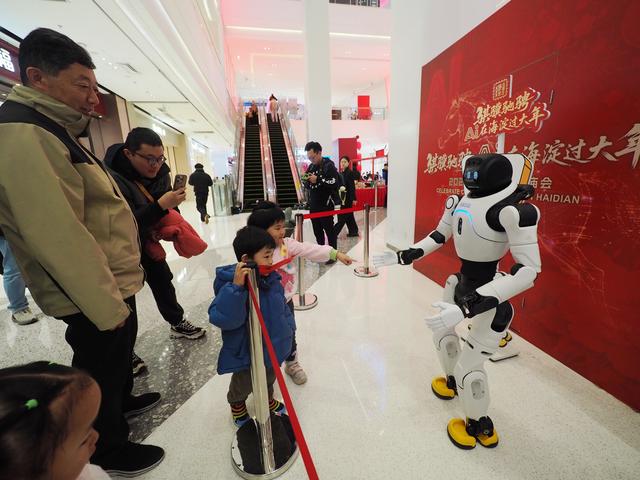
年俗文化+科创展示+未来生活!海淀新春科技庙会满满科技范儿
Xin Lang Cai Jing· 2026-02-19 08:40
Group 1 - The Beijing Haidian New Spring Technology Temple Fair opened on February 19, 2026, at Wukesong Wanda [1] - The fair focuses on three main themes: "traditional cultural customs, technological innovation display, and future living" [1] - Five distinctive exhibition areas have been set up to provide a festive experience for attendees [1]