辅舒良

Search documents
2026年过敏性鼻炎药物品牌推荐双效合一,快速通鼻
Tou Bao Yan Jiu Yuan· 2026-03-05 12:24
Investment Rating - The report does not explicitly state an investment rating for the industry Core Insights - The treatment of allergic rhinitis in China employs a comprehensive multi-modal approach, including immunotherapy as a first-line clinical recommendation and drug therapy as the core of symptomatic treatment [4] - The market for allergic rhinitis drugs in China is projected to grow from USD 4.4 billion in 2019 to USD 8.1 billion in 2024, with a compound annual growth rate (CAGR) of 12.9%, and is expected to reach USD 22.9 billion by 2030 [7] - The industry is witnessing a shift from traditional symptomatic treatment to targeted therapies, with biological agents becoming a focal point of research and development [31] Market Background - Allergic rhinitis, also known as allergic rhinitis (AR), is a non-infectious chronic inflammatory disease of the nasal mucosa mediated by IgE antibodies, characterized by symptoms such as sneezing, nasal discharge, nasal itching, and nasal congestion [5] - The treatment landscape has evolved, with the introduction of new therapies like the IL-4Rα monoclonal antibody and combination nasal sprays, which enhance treatment options for moderate to severe patients [6] Market Status - The Chinese allergic disease drug market is expected to grow significantly, with biological agents projected to increase from USD 0.1 billion in 2019 to USD 1.6 billion in 2024, and small molecule drugs from USD 4.3 billion to USD 6.5 billion in the same period [7] - The recognition of allergic diseases is shifting towards precision medicine driven by immune mechanisms, supported by breakthroughs in immunology [8] Market Competition - The competition in the allergic rhinitis drug market is characterized by the coexistence of multinational pharmaceutical companies and local enterprises, with multinational firms dominating the high-end market [16] - Local companies are leveraging cost advantages and innovative therapies to penetrate the market, focusing on desensitization treatments and biological agents [17] Development Trends - The industry is transitioning towards innovative therapies, with biological agents leading the way in technical breakthroughs [31] - Patient demand is driving product iterations and service upgrades, with a focus on high efficacy, safety, and convenience [32] - Dynamic adjustments in health insurance policies are enhancing the accessibility of innovative drugs, reshaping the market landscape [33] - Cross-industry collaboration and full industry chain layout are becoming key strategies for companies to enhance competitiveness [34]
抗流感类药物和检测试剂销量明显增长 相关药品储备充裕
Sou Hu Cai Jing· 2025-11-21 15:08
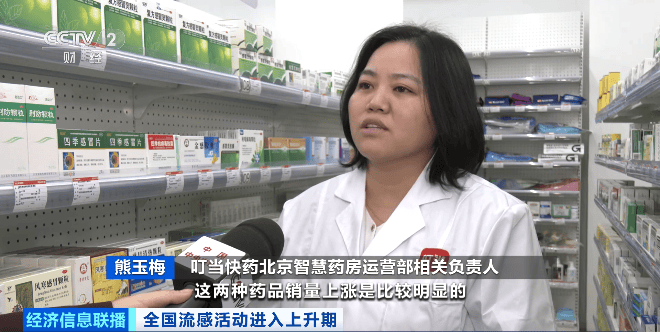
Group 1 - The demand for antiviral drugs has significantly increased due to a rise in flu patients across multiple regions in the country [1] - Sales of various antiviral medications, including Oseltamivir and Mabalaosavir, have surged, with Oseltamivir's sales increasing by 237% and Mabalaosavir's by 180% in the past week [3] - Other medications such as antipyretics, cough suppressants, and nasal sprays have also seen sales increases exceeding 53% [3] Group 2 - In northern cities like Shenyang, Changchun, Xi'an, and Hohhot, the sales of specific flu medications have grown by over 1.5 times [5] - Flu test kits have experienced a tenfold increase in cities such as Beijing, Shenyang, Chengdu, and Xi'an [5] - From November 14 to November 20, the order volume for respiratory bacterial and viral testing increased by 63%, with a positive detection rate rising to 67.7% [7] Group 3 - Patients are opting for home testing services, with results available online within an average of three hours [8] - Despite the rising demand for medications, online pharmacies and brick-and-mortar stores report that drug supplies are sufficient and supply chains are operating smoothly [10]

强化在华非处方药领域布局,赫力昂全资控股中美史克
Guo Ji Jin Rong Bao· 2025-07-09 10:01
Group 1 - Haleon has completed the acquisition of the remaining 12% stake in China-SK Pharmaceutical Co., Ltd, marking the end of a nearly 40-year joint venture with a total transaction value of 1.623 billion yuan [1][2] - The joint venture, established in 1984, was set to last until June 30, 2025, but the lifting of foreign ownership restrictions in China allowed Haleon to take full control [2] - The separation signifies a shift in the business landscape, as joint ventures have become less adaptable to the evolving strategies of multinational pharmaceutical companies [1][3] Group 2 - China-SK has been a significant player in the Chinese pharmaceutical market, focusing on pain management, respiratory health, skin health, and digestive health, with well-known brands such as Fenbid and New Contac [3][4] - Following the acquisition, Haleon plans to enhance its development strategy for China-SK, leveraging its strong brand portfolio and established sales network while investing in product lines based on consumer demand [4][5] - China is a key market for Haleon, driving global growth and enhancing brand competitiveness, with the acquisition seen as a major milestone in deepening its commitment to the Chinese market [5]

中美史克终结近40年合资历史!赫力昂完成全资控股
第一财经· 2025-07-09 03:18
Core Viewpoint - The acquisition of the remaining 12% stake in the joint venture China-US Tianjin Schering Pharmaceutical Co., Ltd. by Heliang marks the end of a nearly 40-year partnership, allowing Heliang to fully control the company and strengthen its position in the Chinese OTC market [1][2]. Group 1: Company Acquisition - Heliang has completed the acquisition of the remaining 12% stake in China-US Tianjin Schering, making it a wholly-owned subsidiary [1]. - The acquisition process involved two transactions in September 2024, where Heliang increased its stake from 55% to 88% by acquiring shares from Darentang and Tianjin Pharmaceutical Group [1]. - The joint venture was originally established in 1987 by GSK and local partners, and Heliang became an independent company after spinning off from GSK in July 2022 [1][2]. Group 2: Market Position and Strategy - China has become the second-largest health consumption market globally, providing significant opportunities for multinational companies focused on consumer health [2]. - Heliang's full acquisition of China-US Tianjin Schering will enhance its presence in the OTC drug sector in China [2]. - The company has been expanding its regional market presence by establishing subsidiaries in cities like Chengdu, Xi'an, Shanghai, and Guangzhou to penetrate lower-tier markets [2]. Group 3: Consumer Trends and Product Development - There is an increasing demand for nutritional health products, particularly those that boost immunity, driven by rising health awareness among consumers [3]. - Heliang aims to maintain flexibility and responsiveness in a rapidly changing market, focusing on continuous innovation to build consumer trust [3]. - The OTC and nutritional health product markets are influenced by various factors, including product functionality, pricing, and brand trust, necessitating ongoing innovation to capture market share [3].
中美史克终结近40年合资历史!赫力昂完成全资控股
Di Yi Cai Jing· 2025-07-08 15:10
Core Insights - The Chinese pharmaceutical market has undergone significant changes over the past 40 years, with foreign pharmaceutical companies adjusting their strategies as the joint venture model may no longer be suitable for current market dynamics [1][3] - Heliang has completed the acquisition of the remaining 12% stake in its OTC joint venture, China-US Tianjin Schering Pharmaceutical Co., Ltd. (referred to as "China-US Schering"), making it a wholly-owned subsidiary and ending nearly 40 years of joint venture history [1][3] - The acquisition enhances Heliang's position in the Chinese OTC market, which is experiencing growing consumer demand for health products, making China the second-largest health consumption market globally, after the United States [3] Company Developments - Heliang's acquisition of China-US Schering involved two transactions in September 2024, increasing its stake from 55% to 88% through the transfer of shares from Darentang (13%) and Tianjin Pharmaceutical Group (20%) [1] - China-US Schering focuses on pain management, respiratory health, skin health, and digestive health, with brands like Fenbid, New Contac, and Fufang [3] - Heliang has established subsidiaries in cities like Chengdu, Xi'an, Shanghai, and Guangzhou to enhance product penetration in lower-tier markets [3] Market Trends - There is an increasing demand among Chinese consumers for health products, particularly in the nutrition and immune-boosting segments, driven by heightened health awareness [4] - Heliang, having spun off from GSK in 2022, aims to maintain flexibility and responsiveness in a rapidly changing market, facing diverse consumer preferences and intense competition [4] - The OTC and nutritional health product markets are directly consumer-facing, requiring companies to innovate continuously to build trust and meet complex consumer decision-making factors [4]

赫力昂全资收购中美史克,强化在华非处方药领域布局
Zhong Guo Chan Ye Jing Ji Xin Xi Wang· 2025-07-08 08:50
Group 1 - Haleon has completed the acquisition of the remaining 12% stake in its OTC joint venture, China-SK Pharmaceutical Co., Ltd., making it a wholly-owned subsidiary [1] - The acquisition signifies Haleon's commitment to the Chinese market, which is crucial for driving global growth and enhancing brand competitiveness [1] - China-SK has a strong historical presence and is recognized for its brands in pain management, respiratory health, skin health, and digestive health [1] Group 2 - Haleon aims to enhance daily health with its mission and will continue to support the innovation and development of OTC products in China [2] - The company plans to deepen its channel layout to reach a broader consumer base with its health products and services [2] - Haleon's product portfolio includes six core categories: oral health, nutritional health, pain management, respiratory health, digestive health, and skin health [3]
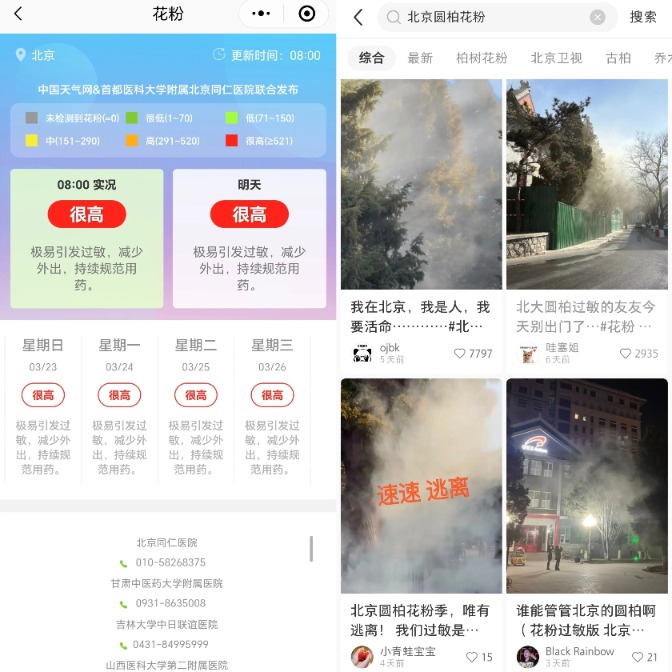
过敏原检测和药品销量大增,春季花粉过敏高发该怎么用药?
Jie Mian Xin Wen· 2025-03-26 06:02
Core Insights - The article highlights a significant increase in allergy testing and medication sales due to the seasonal rise in pollen allergies, particularly in cities like Beijing [1][4][5] Group 1: Allergy Trends - March marks the peak of pollen allergies in many regions, with Beijing experiencing particularly high pollen levels [1][3] - Data from China Weather Network indicates that pollen concentrations in cities like Beijing and Guangzhou are at "very high" levels, prompting warnings for individuals prone to allergies [1][4] Group 2: Medication Demand - There has been a notable surge in the demand for allergy medications, with a reported 330% increase in related drug searches in Beijing since mid-March [4] - Sales data from 1药网 shows a 48% month-on-month increase in allergy medication sales in Beijing [5] - Popular allergy medications include Reyonacort, Fluticasone, and other nasal sprays, with some products seeing over 50% year-on-year sales growth [4][5] Group 3: Clinical Insights - The number of patients presenting with pollen allergies has increased, with various symptoms ranging from allergic rhinitis to asthma [5][6] - Medical professionals recommend preventive measures and appropriate medication usage to manage seasonal allergies effectively [6][7] Group 4: Treatment Options - Treatment strategies include physical protection measures and pharmacological interventions, such as nasal corticosteroids and antihistamines [6][7] - Allergen-specific immunotherapy (AIT) is suggested for patients with severe symptoms, with an effectiveness rate of around 80% [8]