适老餐

Search documents
老年食堂12年送餐里程绕地球7圈
第一财经· 2025-12-29 13:19
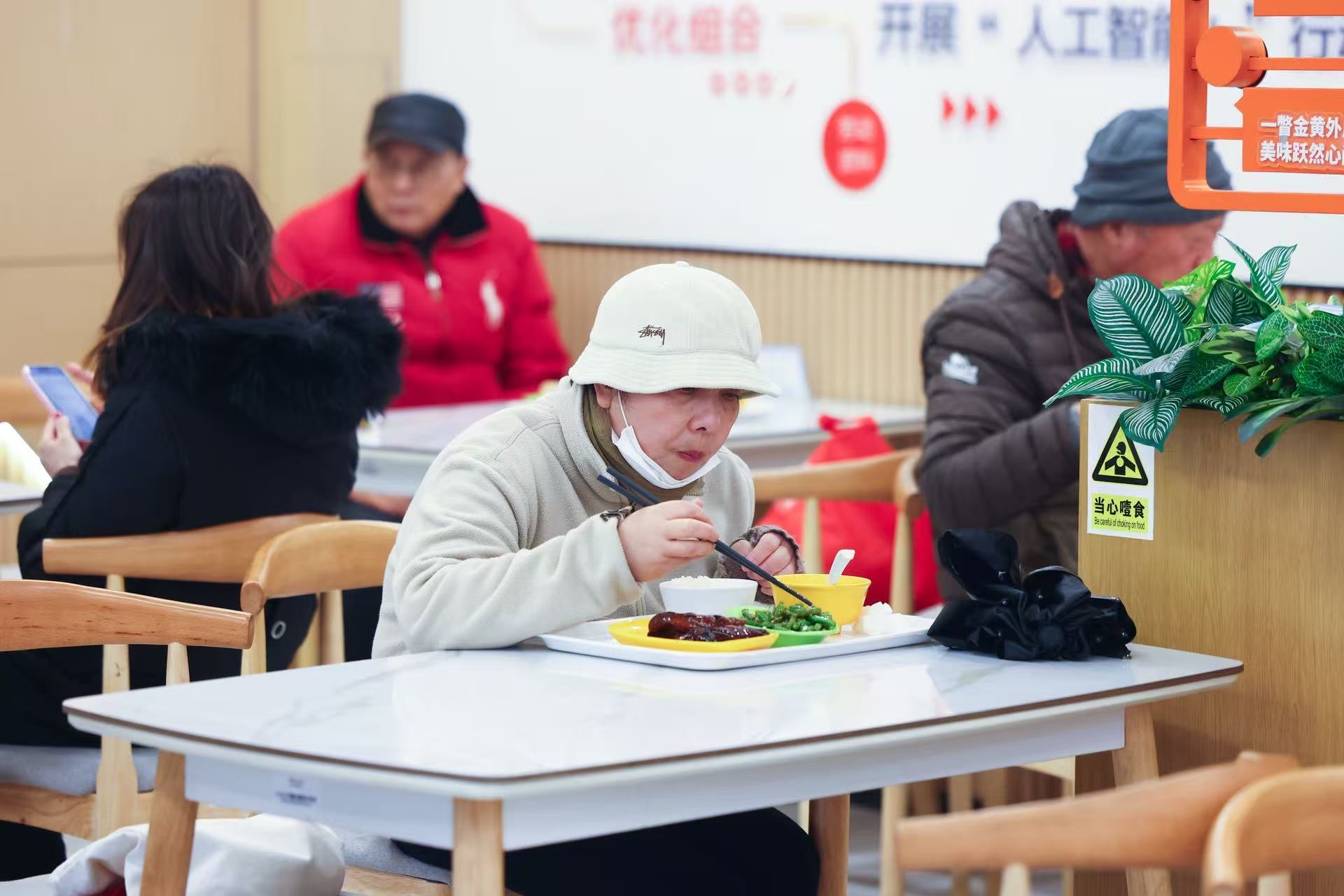
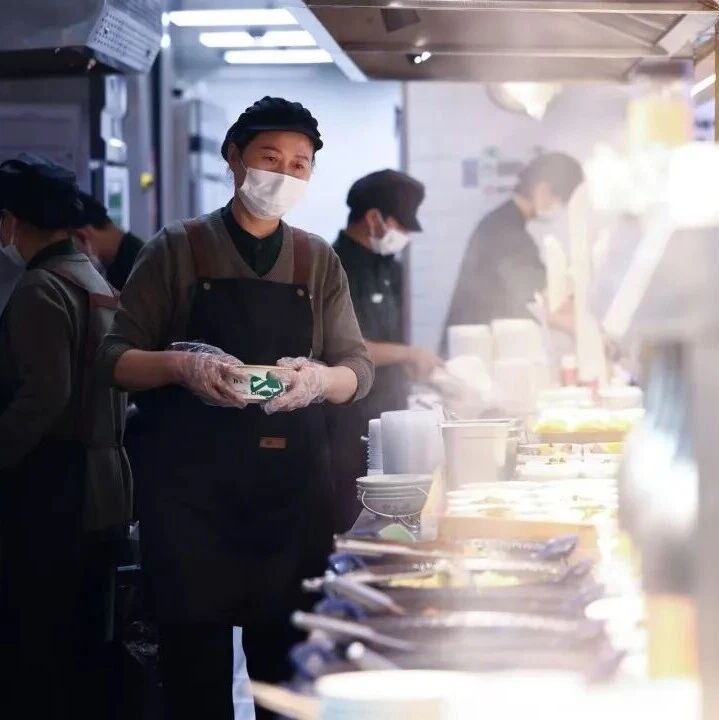
Core Viewpoint - The article discusses the challenges and strategies of community dining services for the elderly, emphasizing the need for sustainable operations while providing affordable and healthy meals to senior citizens [6][9][11]. Group 1: Community Dining Operations - Community dining services, such as the "Elderly Dining Hall," have become popular among seniors, offering clean and convenient meal options with government subsidies being crucial for their sustainability [6][9]. - The "Little Town Comfortable Community Dining Hall" in Shanghai serves around 450 meals daily, with 80% of its patrons being seniors, and offers delivery services for those unable to visit [6][10]. - The dining hall adapts its menu to cater to the diverse dietary needs of seniors, including those with specific health conditions [7][10]. Group 2: Operational Challenges - Many community dining services operate at a micro-profit level, relying on government support and cost control measures to maintain operations [9][11]. - The article highlights the difficulty in balancing meal prices with operational costs, with 55% of surveyed dining institutions reporting increasing losses [11][17]. - Cost control strategies include flexible menu planning, sourcing high-quality ingredients, and minimizing labor costs through efficient staffing [10][11]. Group 3: Innovative Solutions - Various operational models exist for elderly dining services, including community self-management and government outsourcing to private enterprises [14][17]. - Social dining brands are beginning to offer senior-friendly meals, with some restaurants providing discounts and tailored menus to attract elderly customers [15][17]. - Experts suggest that community dining services could enhance revenue by offering additional services, such as day care for seniors and activity centers, while also improving recruitment strategies to attract younger staff [18].


老有所依|12年送餐里程绕地球7圈!老年食堂的坚守与挑战
Di Yi Cai Jing· 2025-12-29 12:44
Core Insights - The article discusses the sustainable exploration of "elderly meal plates" in community dining settings, highlighting the challenges of maintaining operations without government subsidies [1][8] - Community dining facilities for the elderly are becoming essential, but their sustainability is questioned due to financial pressures and operational challenges [1][7] Group 1: Community Dining Operations - The "Little Town Comfort Community Dining Hall" in Shanghai has been operational since 2013, catering to seniors aged 60 and above, with a focus on providing affordable meals [3][4] - Approximately 80% of the diners at the community dining hall are elderly, and services include home delivery for those with mobility issues [4] - The dining hall offers discounts for seniors and has adapted its menu to meet the dietary needs of various age groups, including those with specific health conditions [4][5] Group 2: Financial Sustainability - The community dining hall operates at a break-even point, indicating a micro-profit status, and aims to provide affordable meals to residents [7] - Cost control measures include flexible cooking based on demand, using high-quality ingredients, and minimizing waste [7][8] - Government subsidies play a crucial role in the survival of community dining facilities, with specific financial support based on the number of meals served daily [8] Group 3: Market Dynamics - Various operational models exist for elderly dining services, including community self-management and government outsourcing to social enterprises [10][11] - Social dining brands are beginning to offer senior-friendly meals, but the overall participation of the restaurant industry in this segment remains limited [12][13] - The relationship between community dining and affordable chain restaurants is complementary, with community dining often being more cost-effective due to government support [13] Group 4: Future Considerations - Experts suggest that community dining facilities should explore additional services, such as daytime care for the elderly, to enhance revenue streams [14] - There is a need for better understanding of the elderly market to provide suitable meals and services that cater to their specific needs [14]