
速度滑冰

Search documents
冰雪训练营让青少年 收获成长和快乐
Xin Lang Cai Jing· 2026-03-09 20:29
Core Viewpoint - The 2026 Youth Ice and Snow Training Camp in Xingan League aims to promote ice and snow sports among youth, providing a platform for nearly a hundred young participants to engage with these activities and develop a passion for them [1][2]. Group 1: Training Camp Overview - The training camp, organized by the Xingan League Cultural, Tourism, and Sports Bureau and hosted by the Xingan League Sports School, started in January and will run until mid-March [1]. - The camp is designed to cater to different age groups and skill levels, maximizing the outreach of ice and snow sports [1]. Group 2: Training Activities - The camp includes three main ice and snow sports: speed skating, cross-country skiing, and ice hockey, each offering unique experiences and focusing on different skills [1][2]. - Participants in speed skating develop explosive power and balance under professional coaching, while cross-country skiing teaches respect for nature and self-challenge [2]. - Ice hockey combines competition and fun, enhancing participants' coordination, reaction skills, teamwork, and character through gameplay [2]. Group 3: Safety and Instruction - The Xingan League Sports School has established a professional coaching team and comprehensive safety measures to ensure a secure training environment [2]. - A tiered teaching plan is implemented, focusing on foundational skills, skill enhancement, and fun competition, allowing participants to quickly master ice and snow sports techniques [2]. - The camp is equipped with safety facilities and emergency personnel to ensure the safety of all participants, providing peace of mind for parents and a secure environment for youth [2]. Group 4: Long-term Impact - The training camp not only offers a platform for youth to learn ice and snow skills but also aims to cultivate a new generation of athletes for the sustainable development of ice and snow sports [2].

米兰冬奥格局为中国冰雪运动发展带来的思考
Xin Lang Cai Jing· 2026-02-23 13:28
Core Insights - The 2026 Milan Winter Olympics concluded with Norway topping the medal table, securing 18 gold medals and achieving a three-peat in gold medal standings, bringing their total to 132 golds in Winter Olympics history, significantly ahead of the USA with 106 golds [1] - The competition landscape of the Winter Olympics is dominated by snow endurance events and speed skating, which are considered the main sources of gold medals [2] - The Netherlands maintained its dominance in speed skating, winning 5 golds, and also excelled in short track speed skating, achieving a total of 10 golds, marking their best historical performance [3] Competitive Landscape - Key events such as cross-country skiing, biathlon, and alpine skiing produced a total of 33 gold medals, accounting for 28% of the total golds awarded, which significantly influenced the medal standings [2] - Norway's success in cross-country skiing, particularly with star athlete Klæbo winning 6 golds, was pivotal for their overall performance [2] - Germany excelled in bobsleigh and skeleton, winning 6 out of their 8 golds in these events, highlighting the importance of traditional strength in specific sports [4] Emerging Trends - The Winter Olympics are increasingly focusing on youth and trendiness, with freestyle skiing emerging as the event with the most gold medals (15), reflecting a shift towards more creative and engaging sports [5] - Gender balance is also a key development, with a record 12 mixed-gender events introduced, accounting for 10.3% of total golds, marking a significant milestone in the history of the Winter Olympics [5][6] - The International Olympic Committee is exploring the inclusion of non-traditional winter sports and even summer sports, indicating a trend towards diversification in the Olympic program [6] Future Development - The future of winter sports in China involves consolidating participation in ice and snow sports, addressing weaknesses in foundational events, and enhancing traditional strengths [6] - There is a need for China to align with global trends in winter sports development, optimizing event layouts and competitive strategies to foster high-quality growth in ice and snow sports [6]
“我们仍是追赶者,这个判断没有变”
Xin Lang Cai Jing· 2026-02-23 12:31
Core Viewpoint - The Milan Winter Olympics marked a significant turning point for China's winter sports, showcasing a shift from a historically "ice strong, snow weak" paradigm to a more balanced performance, particularly in snow sports, where China secured 11 out of 15 medals in various disciplines [3][6]. Group 1: Performance Overview - Chinese athletes achieved a total of 15 medals, including 5 gold, 4 silver, and 6 bronze, which is the best performance for China in winter Olympics held outside the country [3]. - Snow sports, particularly freestyle skiing and snowboarding, have become dominant, with athletes like Su Yiming and Gu Ailing contributing to the medal tally [3][6]. - In contrast, ice sports showed mixed results, with speed skating achieving notable success, while short track speed skating and figure skating faced challenges [3][6]. Group 2: Development and Strategy - China's winter sports development strategy involves both addressing weaknesses and building a comprehensive system, leading to improved talent and technical capabilities [6][7]. - The Chinese team recorded 49 top-eight finishes, an increase of 12 from the previous Olympics, indicating a broader competitive depth across 18 events [6]. - The ongoing evolution of global winter sports standards necessitates continuous improvement for China to remain competitive, particularly in rapidly advancing disciplines like snowboarding and freestyle skiing [6][7]. Group 3: Future Outlook - The dual focus on both ice and snow sports is essential for establishing a robust foundation for China's winter sports, aiming to transition from a winter sports power to a winter sports stronghold [7][8]. - The importance of grassroots engagement in winter sports is emphasized, as a broader public interest will solidify the country's standing in the global arena [7][8].

多个项目实现历史性突破 中国代表团创境外参加冬奥会最佳战绩
Yang Shi Wang· 2026-02-23 03:13
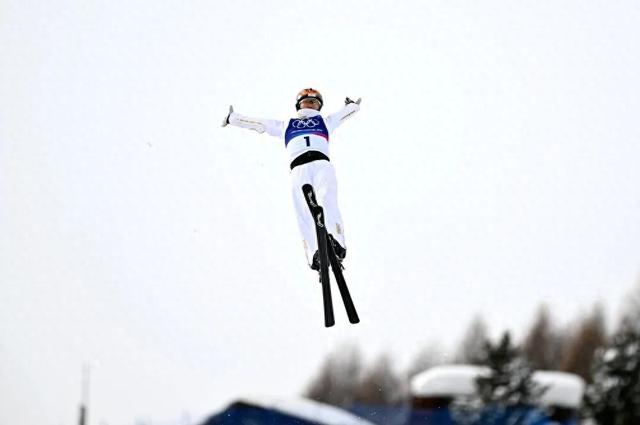
Group 1 - The Chinese sports delegation achieved a total of 15 medals (5 gold, 4 silver, and 6 bronze) at the current Winter Olympics, marking the best performance in history for the country at overseas Winter Games [1] - The delegation secured medals in 8 events, including speed skating, short track speed skating, freestyle skiing (aerials, halfpipe, big air, slopestyle), and snowboarding (big air, slopestyle), demonstrating a balanced development in both ice and snow sports [1] - Su Yiming won the first gold medal for the delegation in the men's snowboard slopestyle, breaking the dominance of European and American athletes in this event, which significantly boosted the morale of the team [3] Group 2 - The freestyle skiing aerials event yielded 2 gold and 3 bronze medals, reinforcing the reputation of China's "Dream Team" in winter sports [3] - Gu Ailing defended her title in the women's halfpipe, winning 1 gold and 2 silver medals, becoming the athlete with the most medals in Olympic freestyle skiing history [3] - The delegation continued to achieve podium finishes in five events that first earned medals at the Beijing Winter Olympics, solidifying the success and talent pipeline in these sports [5] Group 3 - In ice sports, Ning Zhongyan broke the Olympic record to win gold in the men's 1500m speed skating, contributing to a breakthrough in team events and expanding the medal-winning potential of the Chinese delegation [7]
山重水复 柳暗花明——佟立新评中国代表团米兰冬奥会征程
Xin Lang Cai Jing· 2026-02-22 23:05
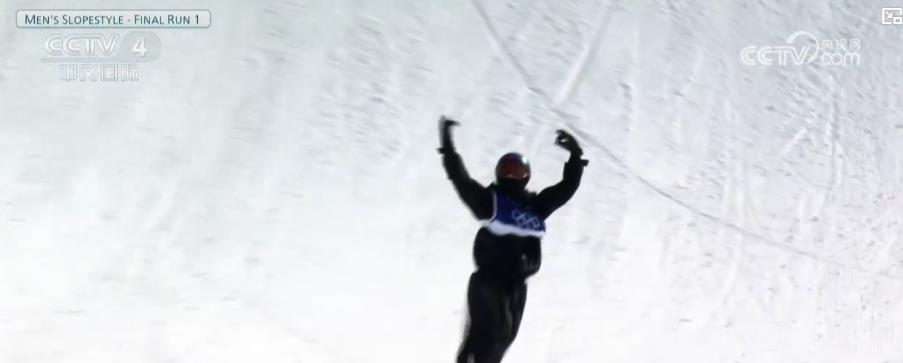
Core Viewpoint - The Chinese sports delegation achieved its best performance in Winter Olympics history with a total of 15 medals, including 5 gold, 4 silver, and 6 bronze, despite facing significant pressure and challenges in the early stages of the competition [1][3][12]. Group 1: Performance Overview - The delegation initially struggled, securing only 4 medals in the first ten days, leading to increased pressure and negative sentiments online [1][3]. - After the Lunar New Year, the situation improved dramatically, with athletes like Su Yiming winning the first gold medal, followed by a series of victories in various events [3][5]. - The final medal tally equaled the performance at the Beijing Winter Olympics, reinforcing the competitive landscape established previously [5][10]. Group 2: Characteristics of Performance - The delegation maintained a strong presence in key events, winning medals in 8 different categories, thus solidifying the competitive structure established during the Beijing Olympics [5][10]. - Overall performance improved, with 49 top-eight finishes, a 32.4% increase from the 37 achieved in Beijing, indicating a rise in competitive strength across various disciplines [5][10]. - The depth of talent increased, with multiple athletes competing in events that previously had only one representative, showcasing a shift from individual to team-based success [7][10]. Group 3: Project Performance Insights - Athletes demonstrated a strong patriotic spirit and a commitment to excellence, with notable breakthroughs in speed skating, particularly in the men's middle-distance events [8][10]. - Key projects like freestyle skiing and snowboarding maintained their competitive edge, with multiple medals won, including a historic achievement by Xu Mengtao [10][11]. - Emerging talents were highlighted, with younger athletes stepping up and showing potential for future competitions, indicating a positive trend in athlete development [7][10]. Group 4: Areas for Improvement - The delegation acknowledged shortcomings in certain events like short track speed skating and curling, citing insufficient preparation and understanding of the competitive landscape [12][14]. - There is a recognition of the need to enhance training methodologies and competitive strategies to keep pace with the evolving standards in winter sports globally [14][15]. - The overall competitive status of Chinese winter sports remains as a "follower," with a need for significant improvement to match the performance levels of leading nations [17].
5金4银6铜!
Xin Lang Cai Jing· 2026-02-22 16:55
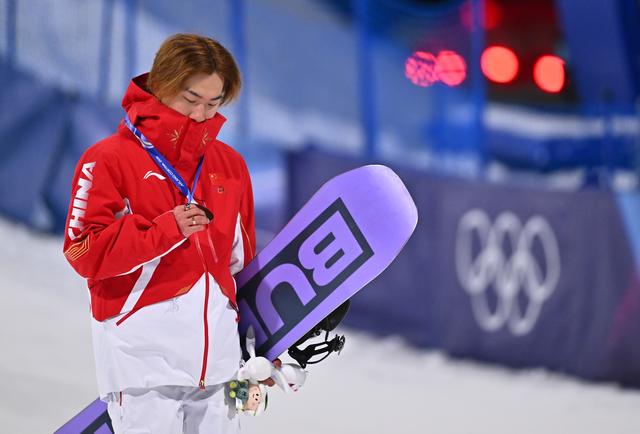
Group 1 - The Chinese delegation has achieved a record performance at the Winter Olympics, winning a total of 15 medals, including 5 gold, 4 silver, and 6 bronze, surpassing their previous best of 5 gold, 2 silver, and 4 bronze at the 2010 Vancouver Winter Olympics [1][2] - In snow sports, notable achievements include Su Yiming winning a bronze medal in men's snowboard big air and a gold medal in men's slopestyle on his 22nd birthday, as well as Gu Ailing and Li Fanghui securing gold and silver in women's freestyle skiing halfpipe [1] - In ice sports, Ning Zhongyan won a gold medal in men's speed skating 1500 meters, breaking the Olympic record and ending a century-long dominance of European and American athletes in this event [1]
宁忠岩父母:“这一刻,辛苦和付出都值得!”
Yang Guang Wang· 2026-02-22 15:36
Group 1 - The core point of the article highlights that Chinese athlete Ning Zhongyan won the gold medal in the men's 1500m speed skating event at the Milan Winter Olympics, setting a new Olympic record of 1 minute 41.98 seconds. This marks the first gold medal for China in this event and the first time an Asian athlete has stood on the highest podium in this category [1][5]. Group 2 - Ning Zhongyan's family and coach expressed their pride and emotional support during the historic moment, emphasizing the sacrifices and dedication he has shown over the years [3][5]. - His mother recalled the challenges he faced during training and how he often kept his struggles to himself to avoid worrying his family, showcasing his strong character and determination [3]. - Coach Chen Peijun noted Ning's exceptional talent and strong work ethic, highlighting that he rarely needed supervision during training and consistently completed all tasks assigned to him [5].
冬奥会∣5金4银6铜!中国冬奥军团刷新境外参赛历史最好成绩
Xin Hua She· 2026-02-22 13:19
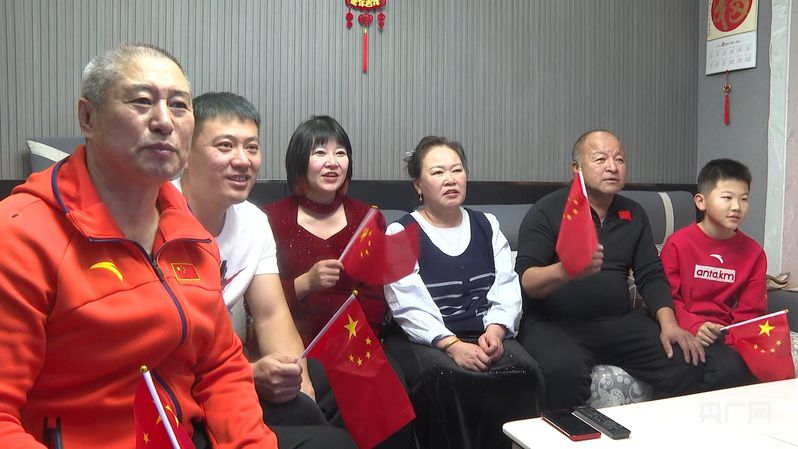
Core Viewpoint - The Chinese delegation has achieved its best performance in Winter Olympics history outside of China, winning a total of 15 medals, including 5 gold, 4 silver, and 6 bronze, surpassing the previous record of 5 gold, 2 silver, and 4 bronze set at the 2010 Vancouver Winter Olympics [1] Summary by Categories Achievements in Snow Events - The Chinese team has excelled in snow events, with notable performances including Su Yiming winning a bronze medal in men's snowboard big air on the 7th, marking the first medal for the delegation in this event [1] - On his 22nd birthday, Su Yiming secured the gold medal in men's snowboard slopestyle on the 18th, which was the first gold for the Chinese delegation in this event [1] - Veteran athlete Xu Mengtao won the gold in women's freestyle skiing aerials, becoming the first athlete to successfully defend this title [1] - Wang Xindi achieved gold in men's freestyle skiing aerials with a perfect jump, and on the 22nd, Gu Ailing and Li Fanghui claimed the gold and silver in women's freestyle skiing halfpipe [1] Achievements in Ice Events - Although the ice events yielded only one gold medal, it was significant as Ning Zhongyan broke the Olympic record in men's 1500m speed skating with a time of 1:41.98, ending a century-long dominance of European and American athletes in this event [1] Overall Medal Count - The Chinese delegation's total of 15 medals matches the total medal count achieved at the Beijing Winter Olympics, with previous totals of 11 medals at both the 2006 Turin and 2010 Vancouver Winter Olympics [1]
米兰冬奥会21日看点:自由式滑雪再冲双金
Xin Lang Cai Jing· 2026-02-21 00:48
Group 1 - The Milan Winter Olympics is entering its penultimate competition day on the 21st, with 10 gold medals to be awarded, and the main focus remains on freestyle skiing, where the Chinese team aims to win two gold medals [1] - Freestyle skiing will award three gold medals, with the Chinese team having strong potential in the mixed team aerials and women's U-shaped course events, in addition to the men's obstacle course [3] - The mixed team aerials is a new event at the Beijing Winter Olympics, requiring each team to consist of three athletes, including at least one of a different gender. The Chinese team previously won a silver medal in this event [3] Group 2 - The Chinese team has already secured gold medals in both the men's and women's aerials events, with the mixed team aiming to continue this success and achieve a clean sweep [3] - In the women's U-shaped course event, 12 athletes are competing, with four from China aiming for medals. Defending champion Gu Ailing advanced to the finals despite a fall in the qualifiers, while Li Fanghui qualified second [5] - The final competition day will also feature the mixed relay event in ski mountaineering, with Chinese young athletes Bruer and Cidan Yuzhen participating [8]
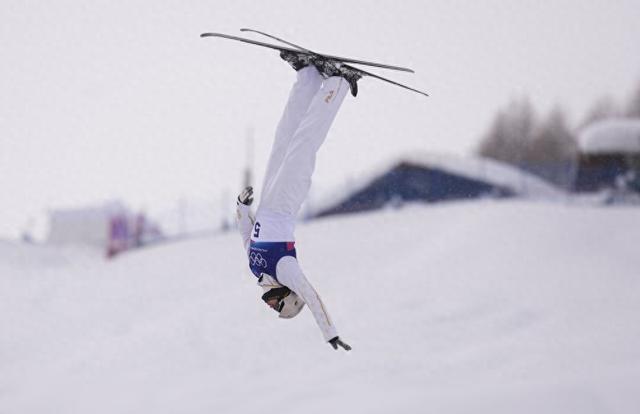
中国队自由式滑雪再冲双金
Xin Lang Cai Jing· 2026-02-20 23:49
Group 1 - The Chinese freestyle skiing team aims to win two gold medals on the penultimate competition day of the Milan Winter Olympics, with three gold medals available in freestyle skiing events [1] - The team has strong potential in the aerial mixed team event and women's U-shaped terrain event, having previously won a silver medal in the mixed team event at the Beijing Winter Olympics [1] - The mixed team event will feature athletes Xu Mengtao, Wang Xindi, and Li Tianma, with the goal of achieving a gold medal sweep [1] Group 2 - In the women's U-shaped terrain final, four Chinese athletes will compete for medals, with defending champion Gu Ailing advancing to the finals despite an early mistake [1] - The newly added skiing mountaineering event will conclude with a mixed relay competition, featuring young Chinese athletes Bruer and Cidan Yuzhen [1] - Other competitions on the same day include men's and women's speed skating team events, women's two-man bobsleigh, and ice hockey matches for bronze medals [1]